
Phosphorus Remover vs PAC: When You Can Skip a Specialty Agent
A phosphorus remover vs PAC decision is not about which drum has a better label. PAC is a coagulant. The aluminum it releases can also precipitate some orthophosphate, so a plant that already coagulates often meets a moderate phosphorus limit without a specialty agent. The other side of a phosphorus remover vs PAC choice is a specialty agent built to precipitate phosphate, usually at a lower dose and with less extra sludge when the residual target is tight. This is for process and plant operators, and for engineers sizing the feed system.
Phosphorus remover vs PAC: what actually differs
PAC's job is to destabilize colloids and form floc that takes out turbidity and some organics. In the right pH window, aluminum also binds phosphate, which is why many plants see total phosphorus fall when they only dose PAC. That is incidental phosphorus removal, not the whole purpose of the coagulant.
The specialty side of a phosphorus remover vs PAC pair is aimed at phosphate. It is often a higher-strength iron or aluminum salt, or a blend formulated for phosphate precipitation. For the same orthophosphate drop, it typically uses less chemical than simply stacking more PAC, and sludge is easier to keep in check. If the inlet is already high in suspended solids and you must coagulate anyway, getting PAC right often removes a useful share of the phosphorus before buying another chemical in a phosphorus remover vs PAC setup.
Do not confuse this phosphorus remover vs PAC question with a PFS-versus-PAC coagulant choice. That comparison is between two coagulants; see PFS vs PAC coagulant selection. Liquid and solid PAC are a form question, covered in liquid vs solid PAC.
When you can skip a specialty agent
A practical phosphorus remover vs PAC choice follows the discharge limit and the raw water:
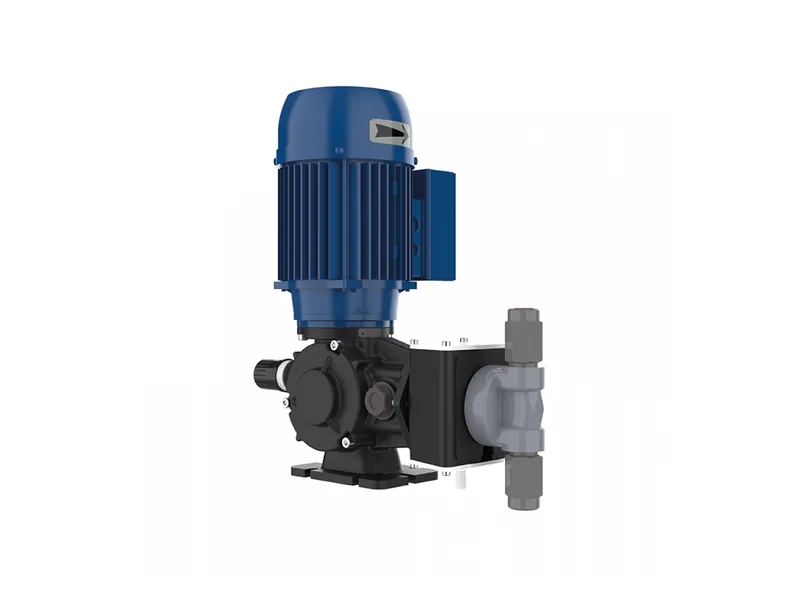
Figure 1: SEKO Spring PS1 mechanical diaphragm pump. Image source: SEKO official website
- The phosphorus limit is moderate and you already dose PAC for coagulation: fix the PAC feed point and pH first. A specialty agent is often unnecessary.
- The limit is tight, or PAC dose and sludge have already climbed while residual phosphorus still sits high: then evaluate a specialty phosphorus remover.
- Orthophosphate is high but turbidity is low: using PAC only to hit phosphorus often means over-coagulation and extra sludge. A specialty agent is the better starting point.
A phosphorus remover vs PAC program will also struggle when much of the total phosphorus is organic or condensed phosphate. Chemical precipitation mainly hits orthophosphate. Check the lab speciation before you raise the dose, and deal with those forms in the biological or oxidation step if needed. For PAC dose estimation and system layout, see PAC phosphorus removal dosage and phosphorus removal dosing systems. This article only covers when a specialty agent is justified and how the two chemicals should share the work.
How to feed both chemicals if you need them
If you do use a phosphorus remover vs PAC pair, do not put both into the same nozzle. The specialty agent needs time to react and form solids; PAC and polymer exist to bind those fines, and the original colloids, into a settleable floc. A common order is to dose the specialty agent in a mix zone (or coagulate with PAC first and add the specialty agent at a later point if phosphorus is still short), allow residence time, then add polymer. If the order is wrong, you usually see pin floc and a rising sludge blanket.
The pH windows may not match. Iron and aluminum phosphorus precipitation each have a preferred range, and PAC coagulation has its own. One shared pH setpoint often leaves coagulation looking fine while phosphorus removal is off. Split the control if you can, and confirm with a jar test.
What to watch besides residual phosphorus
A phosphorus remover vs PAC dose is easy to misread if you only watch effluent total phosphorus. A sudden jump in sludge with almost no change in residual usually means you are past a useful dose, or you are hitting phosphorus forms that will not precipitate. Pin floc or a floating blanket is more often a mixing, polymer or sludge-withdrawal issue. If pH has left the window, fix acid or caustic first. Distinguish orthophosphate from total phosphorus in the lab. An online analyzer is useful for trend; trim any phosphorus remover vs PAC dose against lab results and jar tests. When the inlet swings, flow-paced dosing is more stable than a fixed stroke.
Pump materials and piping
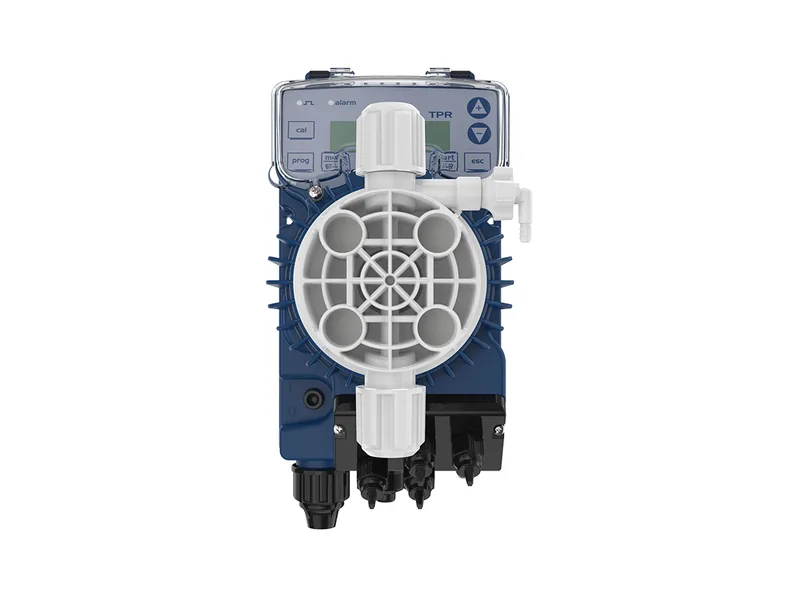
Most liquid products in a phosphorus remover vs PAC setup are corrosive; some iron salts also crystallize and stain. Metering pump heads that see these chemicals are commonly PVC, PP or PVDF, with seals and valve balls checked against the actual reagent. Do not share an unflushed line with acid, caustic or polymer. SEKO Tekna solenoid diaphragm pumps, or Spring motor-driven diaphragm pumps, are often used on clear solutions in a phosphorus remover vs PAC application. Solid PAC has to be dissolved first; keep the dissolving tank and the metering pump as separate steps.
Flush the head and discharge with clean water before a long stop, and fit a foot-valve strainer on the suction line. Iron salts stain floors and clothing, so wear protection, depressurize, then open the pump. Send the chemical name, concentration, temperature, flow and pressure and contact us for selection to match head materials and control.
Conclusion
Phosphorus remover vs PAC is a division of labor. PAC coagulates and can precipitate some phosphate along the way; a specialty agent is for a tighter limit, or for high-phosphate, low-turbidity water. If you already dose PAC and the limit is not strict, get the feed point and pH right before you add another chemical. When both are used, separate the injection points and judge the result by orthophosphate, total phosphorus and sludge together. Have the phosphorus speciation, the discharge limit, the existing feed points and the flow ready, and contact us for selection.
FAQ
Can a plant run only one side of a phosphorus remover vs PAC pair?
Yes. If you already coagulate and the phosphorus limit is moderate, PAC is often enough. High phosphate with low turbidity, or a PAC dose that has already climbed without closing the gap, is the usual reason to add a specialty agent. Confirm with a jar test.
Is a specialty agent always better than PAC at removing phosphorus?
It is usually more dose-efficient on orthophosphate when the target is tight. If the water is already very turbid and needs a large coagulant dose, the advantage of a specialty agent may be small. The water and the limit decide, not a blanket rule.
Can both chemicals be injected at the same point?
It is a poor idea. Reaction time and mixing intensity differ, and the floc is harder to form. Dose at separate points and leave residence time in between.
Why does total phosphorus stay high after a large PAC dose?
Check pH, mixing and the phosphorus forms. If much of the total phosphorus is organic or condensed phosphate, precipitation will not move it, and more phosphorus remover vs PAC chemical mainly raises sludge.
Does liquid or solid product change the pump?
Liquid product can go through a diaphragm metering pump, with the right materials and a flush to limit crystals. Solid product must be dissolved first; do not let undissolved particles into the pump head. The form difference for PAC is covered in the article linked above.