
How to Tell if PAM Solution Shelf Life Has Ended
PAM solution shelf life is not something you read from how clear the tank still looks. Once the dry powder is in water, the polymer chains can be broken by hydrolysis, residual chlorine, heat, sunlight and biological growth. The box may still look like a tank of water, while viscosity and flocculation have already dropped. On the floor, the usual signs are weaker floc at the same stroke, a thinner feel in the cup, and sometimes odor, color change or a film on the surface. Keep the tank cool and out of the sun, and let the product sheet plus on-site checks decide how long you can hold the solution. This note is for dose-room crews who need to tell when a batch has failed. It is not a guide to how strong to make the solution down.
What PAM solution shelf life failure looks like
To judge PAM solution shelf life, compare today's solution with a freshly made batch, rather than asking only whether it is still clear. These checks help:
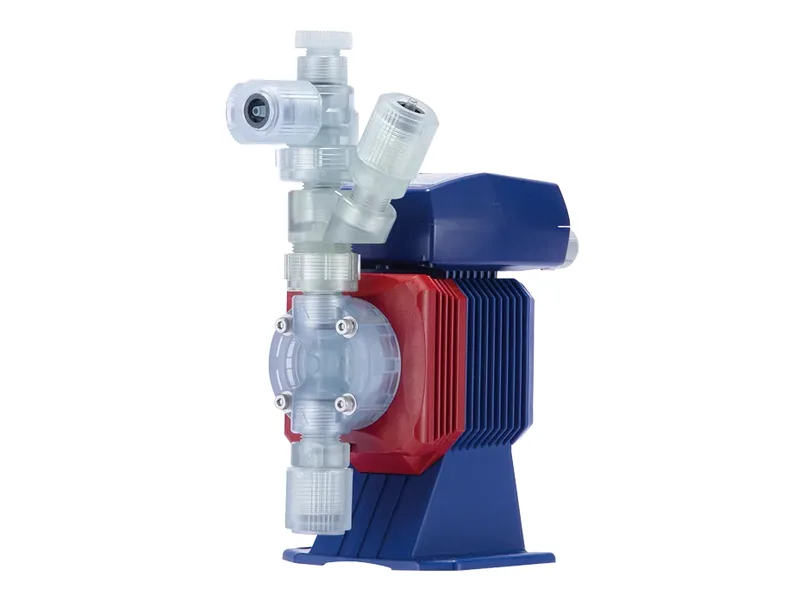
Figure 1: IWAKI EHN-NAE solenoid metering pump. Image source: IWAKI official website
- At the same make-down strength, the solution feels thinner, strings are shorter, or it pours more like water than it did
- The dose has not changed, but the floc is smaller or more fragile, and the supernatant is poorer
- The tank smells sour or musty, a film forms on the surface, or slime hangs on the wall
- The color has darkened or clouded, or unexpected gel sits at the bottom
A drop in viscosity and weaker floc often show up before any color change. A clear, odorless tank can still be a failed batch. If the same stroke starts to give a worse result day after day, check when the solution was made and how it was stored before you raise the pump. Dose itself is covered in typical polymer dosage ranges; a PAM solution shelf life problem and an under-dose problem should be investigated separately.
How heat, time and light shorten PAM solution shelf life
Temperature is the item most crews skip. In a hot dose room, a tank against a window or a warm wall can run much hotter than the room feels. Chains break faster in warm water, and a batch that would have been fine can thin out in a day. A cool, covered tank out of the sun stays usable longer. Direct sun both heats the liquid and brings UV. A transparent or translucent tank by a window is a common storage mistake, and it shortens PAM solution shelf life more than people expect.
Do not invent one plant-wide number of hours for PAM solution shelf life. Use the product sheet and your own viscosity and jar checks. What you can say with confidence is this: a weaker solution usually keeps for less time, and higher water temperature or more light brings failure sooner. How to set make-down strength is a different article, see how to set polymer concentration. Strength affects how long the solution keeps; it is not a reason to make a very weak batch and store a large volume in reserve.
Also separate “still aging after make-down” from “aged and waiting to be dosed.” Under-aging can also look like low viscosity and weak floc, but that is not storage degradation, and the fix is different. See polymer aging time. Confirm the batch has already aged before you call it a PAM solution shelf life failure.
Dilution water and dirty tanks can end PAM solution shelf life early
If the make-up water still carries an obvious chlorine residual, the chains can be oxidized and the solution may thin out long before you planned to use it. Use clean water, or a recycle stream whose chlorine is already very low. Do not fill the polymer tank from a line that has just been chlorinated. A tank and mixer that are rarely cleaned will seed the next batch with old residue and biofilm. When you change batches, drain the old liquor; do not blend a suspect heel into a fresh make-down.
Winter adds another trap. A solution that has frozen in an unheated room and then thawed may still look uniform, yet its flocculation can be badly reduced. Rerun a jar test on anything that has frozen. Rough handling and over-shearing can also break chains, and the symptoms look like an early end to PAM solution shelf life.
What the pump and the dose do after PAM solution shelf life has ended
Once PAM solution shelf life has ended, crews often open the metering pump stroke first. Floc may look a little better for a short time, but the polymer itself has already degraded. Adding more of a broken chain leaves sticky residue in the system and makes chemical use impossible to explain. Stop the suspect batch, make a fresh one, and confirm it in a jar. Do not use stroke to “make up” for a failed solution.
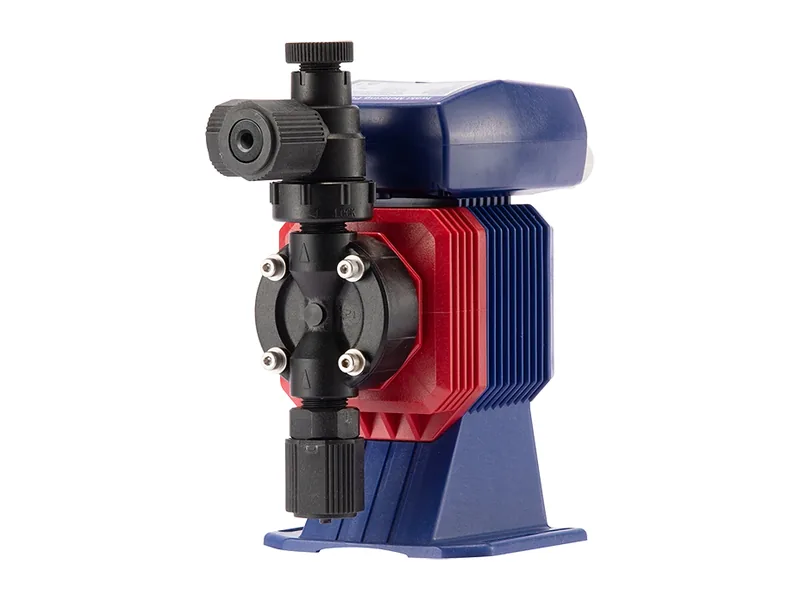
A thinner solution is easier for the pump to suck, and the flow may look stable. That does not mean the product is still active. An IWAKI EHN solenoid-driven diaphragm metering pump is often used to feed polymer solution continuously. You can compare the brand and the pump on the IWAKI brand page and the metering pump range. The pump can move liquid through the line and still tell you nothing about flocculation. Have the storage time, water temperature, appearance and jar result ready, and contact us for sizing so the pump and the tank layout can be checked against the duty. A healthy pump does not extend PAM solution shelf life.
Conclusion
PAM solution shelf life fails when the chains have broken or been consumed, not when the tank stops looking clear. Judge the batch by viscosity, floc and, when present, odor or appearance. Store it cool, covered and out of the sun, keep obvious chlorine out of the make-up water, do not blend old liquor into a new batch, and retest anything that has frozen. If it has failed, make it down again; do not raise the stroke to compensate. Get storage under control first, then talk about strength, aging and dose.
FAQ
Can a solution fail quickly even if the dry powder is still in date?
Yes. Dry powder is relatively stable in the bag. Once it is in water, the chains are exposed to temperature, light and chlorine, and PAM solution shelf life becomes much shorter. An in-date powder does not prove that this tank is still good.
If the solution still looks clear, can I keep using it?
Not on appearance alone. Viscosity and flocculation can drop while the liquid still looks clear. Compare feel or viscosity, then confirm floc in a jar.
Can I dose a solution that froze in winter and then thawed?
Do not treat it as a good batch. Freeze-thaw can damage the chains even if the liquid looks uniform. Rerun a jar test after it thaws. If performance is clearly poorer, discard it and make a new batch.
Can I blend leftover solution into a fresh make-down?
It is a poor idea. A batch that has already started to degrade will pull the new solution down with it, and you will not know which tank caused the next poor result. Drain the old liquor before you make down fresh product.
Why is a polymer tank by the dose-room window a problem?
The window lets in sun, so the tank heats up quickly and UV also speeds degradation. Keep tanks in the shade, keep the lid on, and in summer check whether the tank itself has become hot. That placement is a frequent way to cut PAM solution shelf life short.