
Polyferric Sulfate vs PAC: Pick by Residual and pH

The right way to run a polyferric sulfate vs PAC decision is not to ask which product is more common. Ask what the water will not tolerate: residual aluminum or residual iron, which pH window grows a settleable floc, and whether color or low temperature will push the dose into a range one salt handles poorly. Both are coagulants. Both destabilize colloids and grow floc. The metal is different, so the pH window, the alkalinity demand and the look of an overdose are different. How to build a PFS make-down and dosing skid is already covered in ferric sulfate dosing system design. This article is only about choosing the chemical in a polyferric sulfate vs PAC comparison.
What each coagulant is actually good at
PAC is polyaluminum chloride, an aluminum salt used in both potable and wastewater plants. It is already polymerized, so on many raw waters the floc comes in faster, and the alkalinity demand is often lower than with plain alum. The residual to watch is aluminum. When the leaving water or a reuse stream is sensitive to residual aluminum, a polyferric sulfate vs PAC jar test has to track dose and pH together. More chemical is not automatically clearer water.
Polyferric sulfate is an iron salt, so the residual is iron, not aluminum. On some colored, organic-rich or cold waters, iron salts often look more convincing in the beaker. The cost is just as clear: an overdose can turn the water yellow or red, and pH is pulled down more sharply, especially on thin-alkalinity sources. If the downstream process is sensitive to residual iron or to color, polyferric sulfate vs PAC should be judged on those limits, not on turbidity alone.
Both chemicals are corrosive. Pump heads, valves and tanks have to be selected for the chemical, and the quill should sit in the main flow. Equipment options are on the metering pump page and the NEWDOSE brand page. NEWDOSE mechanical diaphragm pumps are often used on this kind of coagulant duty.
When to pick polyferric sulfate vs PAC
Work through a polyferric sulfate vs PAC choice in this order, instead of ordering from habit:
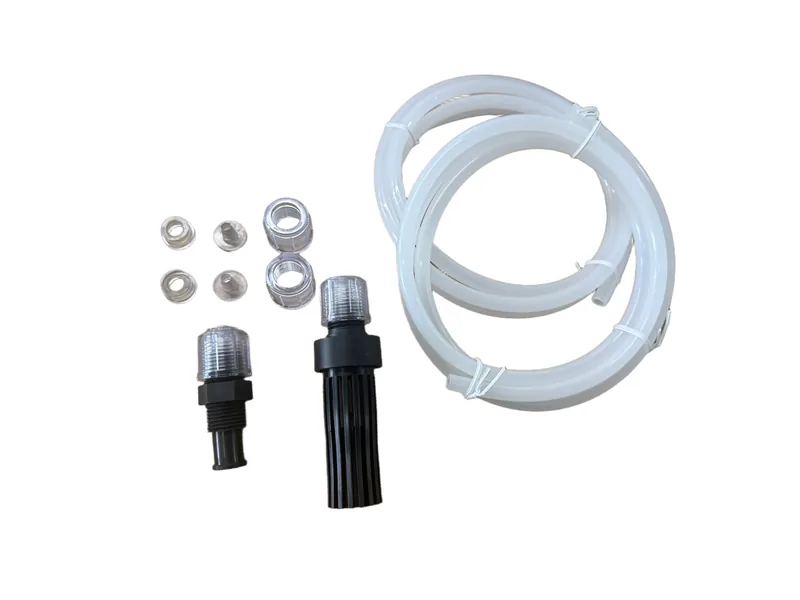
Figure 1: NEWDOSE Ecodose dosing kit. Image source: NEWDOSE official website
- Is there a residual aluminum or residual iron limit on the leaving water? If aluminum is the constraint, look hard at PAC dose and pH. If iron or color is the constraint, treat a polyferric sulfate overdose as its own risk.
- Is the raw-water alkalinity thin, and will pH fall out of the floc window? Iron salts often need a caustic trim, or a tighter dose, on those sources.
- In cold weather, high color or high organics, run the two chemicals side by side in the same jar set. Look at floc size, settling rate and supernatant color, not only at a single room-temperature test.
- Can the existing sludge system accept the volume and the character of the sludge? Iron and aluminum sludges often dewater and color differently.
PAC is more common in drinking-water plants because residual aluminum is a familiar control point and operating history is long. That does not bar polyferric sulfate vs PAC on a potable duty; it means residual iron, color and pH have to enter the control scheme. In wastewater or reuse pretreatment, where color and organic colloids are the main problem, iron often looks easier in the beaker. If a later iron limit is tight, or the reuse water cannot carry a yellow tint, PAC is the safer first look, or the iron dose has to stay inside the window the jars give you.
How to take a jar-test dose onto an online pump is in coagulant dose control from jar test to online adjustment. PAC also comes as liquid or powder, which is an equipment question, covered in liquid PAC vs powder make-down and feed equipment. That is not the same decision as polyferric sulfate vs PAC. When river turbidity swings, raw water coagulation with PAC still applies: change the dose with the water, and do not leave one stroke length running all season. The same habit works for the iron salt.
Field mistakes when a plant switches salts
The messiest failure we see is leftover PAC in a tank that is then filled with polyferric sulfate, or two discharge lines teeing together with no isolation. The two solutions differ in pH and in their salts. Mixed in one vessel they can throw a precipitate, block a foot valve, and jam the metering-pump balls. Flush the tank, the mixer and the lines before you switch, and open the strainer if it has not been cleaned in a while. A polyferric sulfate vs PAC changeover is a cleaning job first.
The second mistake is to change the chemical and leave the pH and alkalinity scheme untouched. A pH that was acceptable on PAC may fall out of the floc window once polyferric sulfate is in use. If the shift only raises the dose, color often appears first. Repeat the jars, reset pH, dose and any polymer together, and only then change the pump setting.
In winter both solutions can thicken, and a strong iron solution can throw crystals if it is too concentrated or too cold. That seasonal check belongs in every polyferric sulfate vs PAC trial. Outdoor runs, trenches and a cold dosing room need shorter lines, fewer dead legs, and heat tracing where the room is kept cold. Both chemicals are corrosive. Wear protection when you make down or open a pump, depressurize the line first, and keep the concentrate off skin and eyes.
Conclusion
Polyferric sulfate vs PAC is not a skid-layout question. It is a question of residual metal, pH window, color and cold-water floc. When aluminum is the concern, alkalinity is thin, or a yellow tint is unacceptable, PAC is usually the first candidate. When color and organics are high and the iron salt clearly wins the jars, polyferric sulfate vs PAC can swing the other way. Always jar-test, and never premix the two in one tank. Send us raw-water turbidity, color, pH, alkalinity and the residual aluminum or iron limit, and we can help you pick the chemical and size the metering pump flow and materials.
FAQ
Does polyferric sulfate always remove color better than PAC?
No. Many colored waters look better on an iron salt in the beaker, but some raw waters are fine on PAC. Judge polyferric sulfate vs PAC by the supernatant color and turbidity in a paired jar test, not by the product name.
Can a drinking-water plant use polyferric sulfate?
Yes, but residual iron, color and pH have to be part of the control scheme, not turbidity alone. A potable polyferric sulfate vs PAC trial should include those measurements from the start. If the leaving water is sensitive to iron, the dose window is often narrower than with PAC, and it has to be held with tests and online monitoring.
If we switch from PAC to polyferric sulfate, do the pump and tank have to change?
Recheck materials for the iron salt, and flush the tank and lines so residual PAC is gone. Pump flow is still sized on the largest expected dose, with margin; there is no fixed conversion between the two chemicals. Treat polyferric sulfate vs PAC as a chemistry change, then confirm the hardware.
Can we blend the two salts in one day tank?
Do not. Premixing invites precipitation and blocked valves, and you can no longer tell where residual aluminum and residual iron came from. If you want to test a sequence, do it in the jars, not in the storage tank.
After we choose the chemical, how do we set the dose?
Still run a jar test, then convert the dose to a pump flow. Have the water flow, solution strength and target dose ready, then ask us to check the pump. Skid layout belongs in ferric sulfate dosing system design, not in this polyferric sulfate vs PAC choice.