
Liquid PAC vs Powder: Make-Down and Feed Equipment
The form you buy changes the room, the tank list and the pump almost as much as it changes the chemical invoice. The right way to choose liquid PAC versus powder is to compare make-down labor, storage, filtration and the metering pump, then see which package the plant can actually run. Liquid usually arrives in a tanker or IBC and is diluted or metered neat. Powder arrives in bags or bulk sacks and needs a dissolving tank, a strainer and a dry, covered storage pad. This note is for operators and engineers who are changing form or specifying a new dosing skid.
Where liquid PAC and powder differ in make-down
With liquid PAC, the hard part is unloading and dilution. A tanker or tote is hosed into a storage tank or a day tank, then water is added to a strength the pump can move and the process can mix. Some plants meter the concentrate nearly neat and add dilution water close to the injection point. That shrinks the tank, but every hose, valve and liquid end must be rated for a stronger, more acidic solution, and a spill is harder to clean up.
With powder, the hard part is opening bags and getting a clear solution. Bags stay dry, then the powder is tipped into a make-down tank or a dry feeder, mixed until it dissolves, and strained into a holding tank. Clumps, bag residue and grit are the daily nuisance, so the strainer needs room to be opened. Batch time, not just dose, sets the shift rhythm: if dissolving is slow, the day crew has to finish a batch before the night run, or the tank will run dry.
The floor plan changes with the form. Check these items against the form you will actually buy:
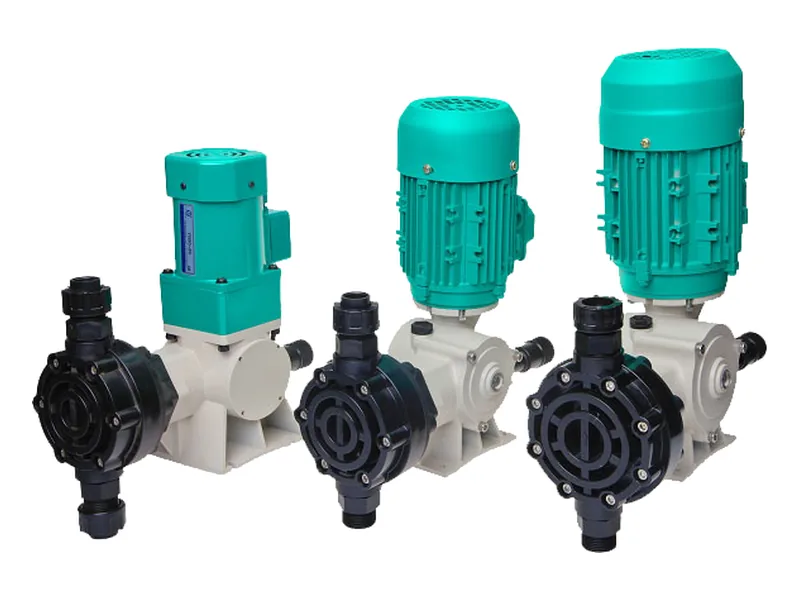
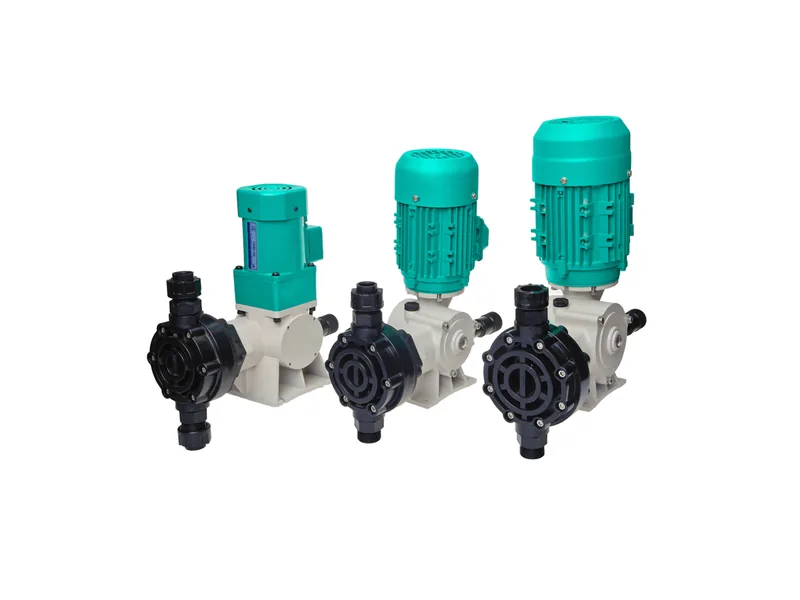
Figure 1: NEWDOSE NDJ mechanical diaphragm metering pump. Image source: NEWDOSE official website
- Liquid PAC wants a tanker lane, tote space and a spill path.
- Powder wants a dry store, a bag-break point and dust control.
- A powder room converted to liquid often keeps the floor and the fan, but the fill connection and pipework have to be rebuilt.
- A liquid room converted to powder often has no dissolving tank and no dry storage at all.
How the feed equipment has to follow the form
On the pump, the differences are strength, corrosivity and solids. If you feed a strong liquid PAC cut, the flow can be lower, but the head, valve balls and seals must resist acid, and the suction line should be easy to flush if crystals form. A weak powder solution needs a larger pump flow, with stroke or speed still left in reserve, and the strainer will catch undissolved grit. Head material, flow and dilution are covered in PAC dosing pump selection. A motor-driven mechanical diaphragm pump such as a NEWDOSE NDJ is a common choice once the solution is diluted and the pressure matches the line; still check the liquid against the wetted materials before you freeze the model.
Tanks and mixers change too. Powder always needs a dissolving step, and the working volume has to keep up with the batch cycle. Liquid PAC that is only stored and diluted can sit in a smaller day tank; agitation is then for blending, not for breaking lumps. Automatic make-down for liquid usually means a transfer pump and level-controlled dilution water. Powder needs a dry feeder and metered water. Use the parts list in PAC automatic dosing system components as a checklist: drop the items the chosen form does not need, and add the ones it does. Do not reuse one bill of materials for both.
When liquid PAC is the better fit, and when powder is
A plant with a high daily use, a clear unloading path and a short-handed crew will usually prefer liquid PAC. Cutting out bag-breaking cuts dust and spillage on every shift. A small works that can only buy bags, or that wants a longer shelf life without a bulk tank sitting half full, will often stay on powder. Leftover bags are easier to move than a half tank of concentrate.
Supply risk belongs in the same conversation. Liquid PAC depends on tanker or tote turnaround; if deliveries stretch, the storage tank needs more reserve. Bags are easier to stock, but damp storage turns a "spare inventory" into a pile that will not dissolve. Ask about haul distance, winter freezing and whether the store can be kept dry before the chemical contract is signed, not after the skid lands.
Keeping both forms on site is possible, but do not swing the same suction line from one to the other without a thorough flush. Strength and foulant loading differ, and so does the cleaning interval on the strainer. If both forms are true backups, give each a make-down path, or at least rate the suction strainer and materials for the more aggressive of the two.
What gets missed when the plant changes form
Switching from powder to liquid PAC, people forget unloading and leaks. The room was built for bags; now it needs a hose connection, air vents and overflow protection, and seals that were fine on a weak solution may not last. A stronger cut can also outgrow the old pipe or valve-ball material, and crystals may appear where they never did. Switching the other way, people forget dissolving capacity and dust: the tank is too small, there is no strainer, and the feed chute is open, so the strainer blinds and the electrical gear is coated in powder.
After the change, convert the pump setting to the new solution strength and run a calibration before the pump goes back on duty. Send daily use, delivery form, target strength and the pump's flow and pressure to us via contact and we will check the make-down path and the equipment list. Series and materials can also be compared on the NEWDOSE product page. The operating routine for dissolving and feeding powder is also in how to dose PAC; use it for the batch steps, then resize the hardware for the form you actually buy.
Conclusion
Picking liquid PAC or powder is a make-down and feed-equipment decision. Liquid PAC saves bag-breaking and can shrink the tank, but it is less forgiving on unloading, materials and leaks. Powder is easier to stock in small lots, but dissolving, filtration and dust control all have to be in the room. Fix daily use and delivery conditions first, then set the dilution method and the pump and tank list. When the form changes, change the unloading path, the strainer and the flow calculation at the same time, not just the purchase order.
FAQ
Does a small plant have to stay on powder?
No. If a tote can be unloaded and daily use is steady, liquid PAC can cut dust and bag work even on a small site. The usual blocker is access or the supplier's delivery option, not the water flow itself.
Must liquid PAC always be diluted before the pump?
Not always. If the liquid end, pipe and valves are rated for the concentrate, you can meter it neat and dilute near the injection point. The neat solution is more acidic and more likely to crystallize, so plan suction flush and strainers before you skip the dilution tank.
Can one metering pump swing between liquid PAC and a powder batch?
In an emergency, yes, after a thorough flush of the suction line, head and valves, and a new calibration at the new strength. The two solutions differ in concentration and grit, so the strainer cleaning interval should change too. Long-term mixed use makes faults harder to diagnose.
Can the old dissolving tank stay in service after a switch to liquid PAC?
It can be reused as a storage or dilution tank if the material will take the stronger solution and the fill and drain connections are reworked. The mixer no longer needs a dissolving speed; blend the cut and stop, so the fittings are not worn out by needless stirring.
How do I compare dose between the two forms?
Convert both to the same active content the supplier quotes, then compare. Do not trade "one tonne for one tonne" or "one bag for one tote." After a form change, redo the solution strength, the pump flow and a jar test; do not keep the old set points.