
PAC Dosage for Phosphorus Removal: Estimate, Then Jar Test
There is no standard PAC dosage for phosphorus removal you can copy from another plant. The reliable route has two parts: estimate a starting point from the phosphorus to be removed, the Al:P molar ratio and the product's aluminium content, then calibrate that estimate on your own water with a jar test. The calculation tells you the order of magnitude; the jar test tells you the real number.
This article is for operators and process engineers who need to estimate and verify the dose. Choosing between aluminium and iron salts, picking the dosing point and configuring pumps is system design, which we cover separately.
Why PAC dosage for phosphorus removal varies so much
Two plants treating "domestic sewage" can need very different amounts. The main drivers are:
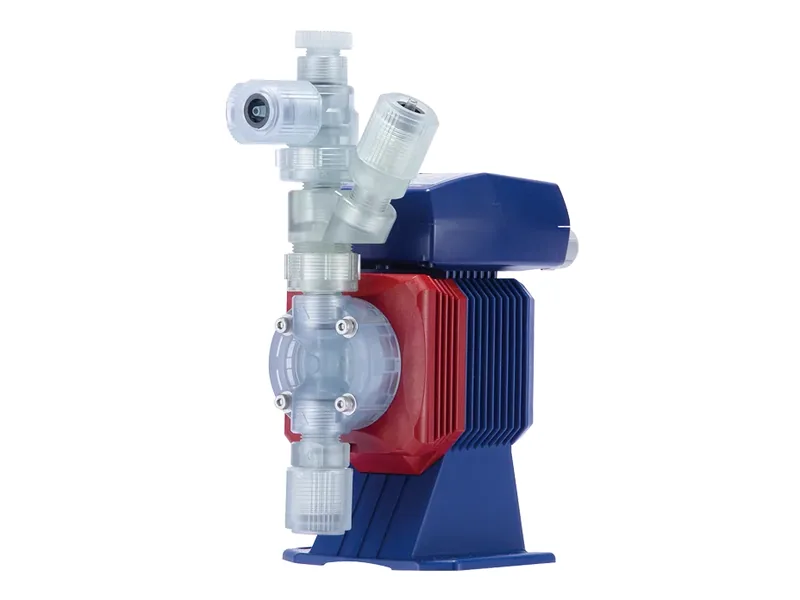
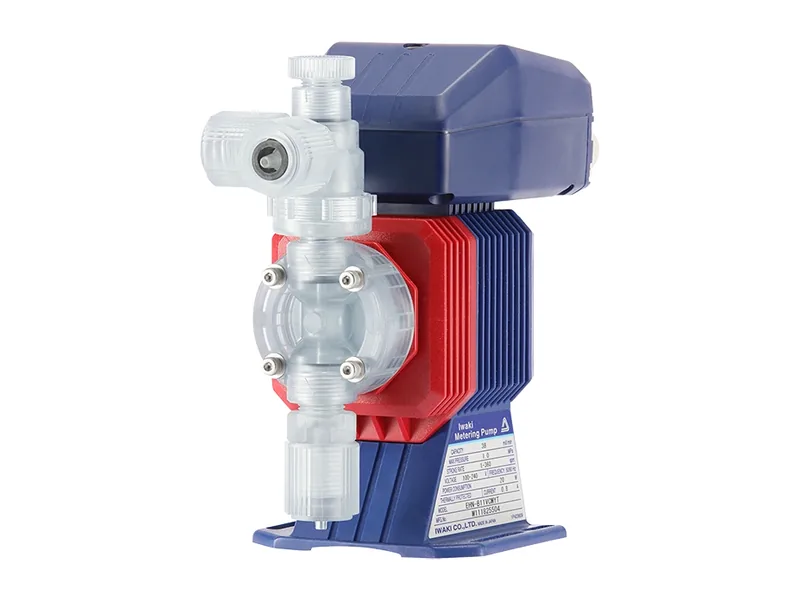
Figure 1: IWAKI EHN series electromagnetic metering pump, NAE type. Image source: IWAKI official website
- Orthophosphate concentration at the dosing point, which depends heavily on how well biological removal is working.
- The effluent phosphorus target; tighter targets need a higher excess of aluminium.
- Suspended solids, alkalinity and pH, all of which compete for the aluminium.
- The PAC product itself: alumina content and basicity vary between suppliers and between batches.
A dose that works next door can be off by several times once influent and product change. So what follows is a method, not a number.
Step 1: How much phosphorus actually needs removing
Chemical precipitation acts mainly on soluble orthophosphate. Most particulate phosphorus leaves with the sludge anyway. Start from the orthophosphate concentration measured at the dosing point and subtract your target.
A common mistake is to base PAC dosage for phosphorus removal on influent total phosphorus, which inflates the dose. With simultaneous precipitation at the end of the aeration tank, biological uptake has already removed part of the phosphate, so use the measured value there.
Step 2: Convert to aluminium with the molar ratio
Aluminium and phosphate combine 1:1 on a molar basis to form aluminium phosphate. By mass that is roughly 0.87 mg of aluminium per mg of phosphorus removed. That is the theoretical minimum.
In real plants some aluminium forms hydroxide floc or reacts with other species, so the working molar ratio is usually well above 1, and generally higher the lower your target. Only jar tests and operating data can pin that ratio down for estimating PAC dosage for phosphorus removal. At the estimating stage, assume a ratio to get the order of magnitude and let the jar test correct it.
Step 3: Convert aluminium to PAC product
PAC strength is normally stated as alumina (Al2O3) content. Aluminium makes up about 53% of alumina by mass, so:
PAC product dose ≈ aluminium needed ÷ (alumina fraction × 0.53)
A purely illustrative example: removable orthophosphate of 2 mg/L and an assumed molar ratio of 2 give about 2 × 0.87 × 2 ≈ 3.5 mg/L aluminium. With a product at 28% alumina, that is about 3.5 ÷ (0.28 × 0.53) ≈ 24 mg/L of PAC. Treat this only as a demonstration of the arithmetic. It is not a design figure and not a typical PAC dosage for phosphorus removal at any plant.
Step 4: Calibrate with a jar test
The jar test turns the estimated PAC dosage for phosphorus removal into a dose you can trust. A basic routine:
- Take a representative sample at the dosing point and record temperature and pH.
- Set up a range of doses around the estimate, for example from half to double it.
- Rapid mix, slow mix and settle under conditions that mimic the plant.
- Filter the supernatant and measure orthophosphate and total phosphorus, and note the pH.
- Plot residual phosphorus against dose and choose the point that just meets the target, plus a margin.
Use the same PAC batch at the same dilution as the plant. Where water quality changes with the seasons, repeat the test in summer and winter. Our PAC dosage calculation guide covers the unit conversions in more detail.
How pH and alkalinity shift PAC dosage for phosphorus removal
Aluminium-based phosphorus removal is sensitive to pH; outside a suitable range, the same PAC dosage for phosphorus removal achieves noticeably less. PAC also consumes alkalinity. In soft, low-alkalinity water, pushing the dose up drops the pH, which hurts both phosphorus removal and nitrification downstream.
So measure pH and alkalinity in the jar test as well as phosphorus. If pH falls sharply as dose rises, simply adding more PAC usually backfires; adding alkalinity or moving the dosing point may work better.
What overdosing PAC dosage for phosphorus removal costs you
Overdosing wastes more than chemical. Sludge volume rises and dewatering works harder, residual aluminium in the effluent can increase, and lower pH can upset the biology. If sludge production jumps or the effluent turns cloudy, recheck the dose first.
From dose to metering pump flow
Once the jar test gives a PAC dosage for phosphorus removal in mg/L, multiply by plant flow for daily product use, then convert to L/h at the diluted solution strength. That is the pump's working flow. Small and mid-sized plants often use solenoid metering pumps such as the IWAKI EHN series, which can follow a flow-proportional or phosphate analyzer signal; select the liquid end for PAC's corrosiveness. For pump and system layout, see phosphorus removal dosing system design.
Conclusion
To estimate PAC dosage for phosphorus removal, subtract the target from orthophosphate at the dosing point, convert to aluminium with a molar ratio, convert to product with the alumina content, then calibrate with a jar test and add margin. The calculation only sets the scale; the jar test and plant data set the dose, and both should be repeated when seasons or suppliers change. Compare with our notes on jar testing PAC for sewage, browse solenoid metering pumps and the IWAKI brand page, or send flow, phosphorus data and PAC specification and contact our engineers to size the pump.
FAQ
Is there a typical PAC dosage for phosphorus removal I can start with?
Not one worth copying. It depends on orthophosphate, target, water chemistry and product strength, so estimate it and confirm with a jar test.
Why is effluent total phosphorus still high after dosing?
Often particulate phosphorus is not settling, or pH is outside the useful range. Measure orthophosphate and total phosphorus separately, then check clarification and filtration.
Do I need a new jar test when the PAC supplier changes?
Yes, at least a short one. Alumina content and basicity differ between products, so the old dose may be high or low.
What Al:P molar ratio should PAC dosage for phosphorus removal use?
There is no fixed value. Theory says 1:1; real plants usually need more, and more again for tighter limits. Let the jar test curve decide.
Can an online phosphate analyzer set the dose automatically?
It can trim the dose, but the base dose should still come from testing. A poorly maintained analyzer can steer the pump the wrong way.