
How to Write a Metering Pump Specification That You Can Inspect
A metering pump specification is not a copied model number from a catalogue. The purchase file has to say what fluid, temperature, flow and pressure the pump will see, and what connections, protection, control and accessories come with it. If a line is missing, a supplier can ship a catalogue default, and the gap only shows up on site. This page is for people who write or review that file. Price comparison is not discussed here.
What a metering pump specification should say about duty and connections
Name the fluid, the concentration range, whether solids or solvents are present, and the normal and maximum temperature. "Chemical" or "boiler dosing" is not enough to choose a head or a seal. Then write the normal and maximum flow, whether a margin is required, and whether the duty is continuous or intermittent. Pressure should be the highest discharge pressure, and whether a back-pressure valve is used, not a vague "system pressure around".
Connection clauses should state the nozzle type, size and pressure class, plus any base or cable-entry requirement. If the pump needs a given enclosure, outdoor duty or a hazardous-area certificate, write that here, and say whether the room is indoors, shaded or in a pit. A metering pump specification that uses checkable sentences gives reviewers and inspectors the same ruler.
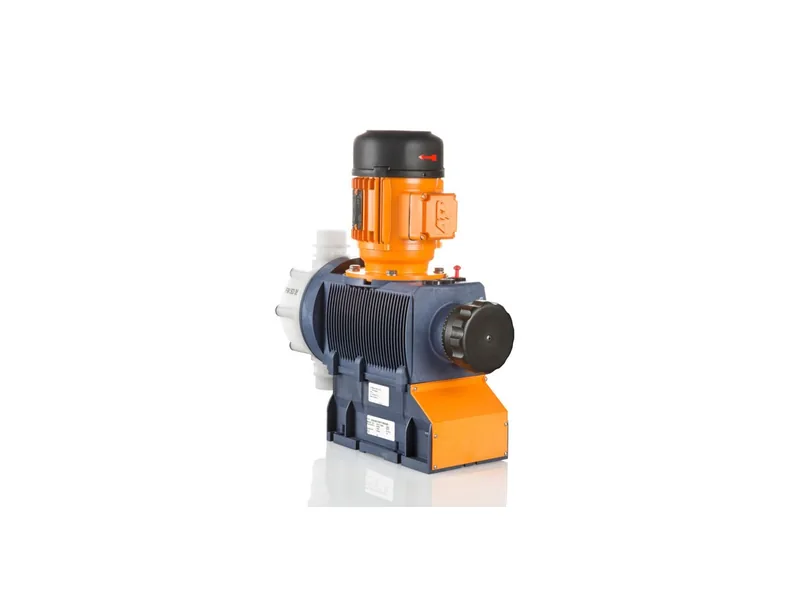
ProMinent Sigma/3 motor-driven pumps are a common example of a wider flow and pressure band than a solenoid pump. If the project leans that way, the metering pump specification should also state how stroke is adjusted, motor protection, signal type and any certificates, not just one flow point. Material guidance is in head and valve-ball materials. For the wider inquiry pack, see dosing system RFQ documents. This page only expands the pump clauses.
Control, protection and accessories that are easy to omit
When you write the control clause, walk a short list:
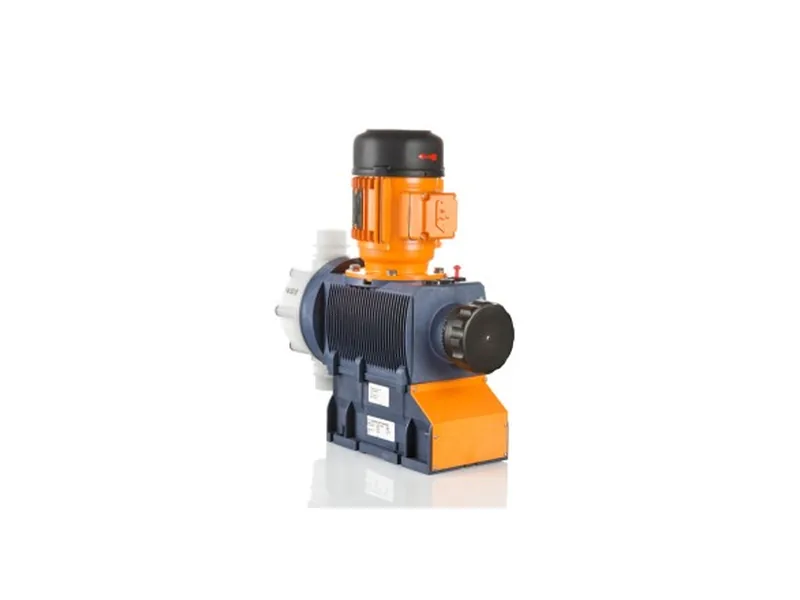
Figure 1: ProMinent Sigma/3 motor-driven metering pump. Image source: ProMinent official website
- Local manual control, remote start/stop, and stroke or frequency adjustment;
- Signal type: 4-20 mA, pulse or a bus, and whether fault and running feedback must return to the cabinet;
- Interlocks: low level stops the pump, a mixer or circulation pump must already be running, written as logic, not as a vague "can be interlocked".
Ingress protection, insulation, earthing and any hazardous-area need should follow the real room, not a blanket "per code". Accessories should say whether the back-pressure valve, dampener, relief valve, strainer, calibration column and injection valve ship with the pump or will be reused. A metering pump specification that is silent on scope will come back as two different quotations, and inspection will have nothing to tick.
Control background is in dosing system control principles. How a skid is accepted is in dosing skid acceptance. The pump lines in the metering pump specification should map onto those inspection rows. Typically the same wording can be reused on the test sheet so nobody rewrites it later.
How to write acceptance lines you can actually use
Acceptance should at least cover: nameplate and documents match the file, wetted materials are traceable, nozzles and the base can be checked, a dry and a loaded run show no abnormal leak or noise, and flow is checked with a column or an agreed method at the stated stroke and pressure. Add an interlock test if the project needs one.
Do not stop at "tested to the maker's standard". State the test fluid, the pressure and the pass rule. If the real fluid cannot be used with water, agree a substitute or a site check after delivery. Manuals, material certificates and a certificate of conformity should be listed as documents to hand over.
If a clause is hard to settle, send the fluid, flow, pressure and control method and contact us so the wording can be checked. Pump types are listed under metering pumps and ProMinent Sigma/3. Write the duty first, then talk about models. A metering pump specification that only names a model will fail when that model is withdrawn.
Where several pumps share one duty, one set of clauses can usually be reused. Different fluids or pressures should stay on separate pages. Around repeat orders, keep the last accepted metering pump specification and only mark the lines that changed, so the file does not drift.
Conclusion
A metering pump specification should be a set of checkable lines on duty, connections, materials, protection, control and accessories, not a sentence that says "supply a quality brand". Missing signals, accessories or a test method will come back as a dispute about the file itself. Write fluid and temperature, flow margin, pressure, connections, control and accessories, then inspect against those lines. After a review by operations and instrumentation, the metering pump specification is ready to use as the shared baseline for selection, quotation and site work.
FAQ
Must a metering pump specification name a brand and model?
You can say "equivalent to a given series" or list acceptable series, but the duty and connection lines still need to stand on their own. A model without a duty will not survive a change of supply.
How much flow margin should be written?
Write it from the process need, and say whether the margin sits on normal flow or on maximum flow. Do not leave a blank percentage for the supplier to fill, because you generally cannot inspect that later.
Do accessories have to ship with the pump?
State the scope. If a sound back-pressure valve and dampener already exist, say they will be reused and give their ratings. If they do not, put them in the supply list so the line is not found empty later.
Does a water test stand in for the real chemical?
Water can show mechanical running and a rough flow. If viscosity, density or corrosion differ, you still need a check with the real fluid or an agreed method. The metering pump specification should say so.
Is "ready for a PLC" enough as a control line?
No. State the signal type, the range, whether the loop is active or passive, and the output on a fault. A metering pump specification that is that specific is much easier to wire.