
Dosing Control Methods: Manual, Flow-Paced and Closed-Loop PID
Dosing control methods all do one thing: they change how much chemical a metering pump delivers per hour, by adjusting stroke length or stroke rate. The difference between manual, flow-paced and closed-loop control is simply who makes the decision, an operator, a flow meter or an analyzer. This guide is for operators taking over a chemical feed room and for engineers writing a control narrative.
What the pump changes under all dosing control methods
A metering pump is a reciprocating pump. Output equals displacement per stroke times strokes per minute. Stroke length sets how far the diaphragm or plunger travels on each stroke, and stroke rate sets how many strokes happen each minute.
On motor-driven diaphragm and plunger pumps, stroke length is set by a knob or an electric stroke actuator, and stroke rate is usually changed with a VFD on the motor. On solenoid pumps every pulse to the magnet is one stroke, so the electronics set the rate directly. That is why solenoid pumps are the easiest to automate.
Both adjustments have limits. Very short strokes make the check valves seat poorly and accuracy drops. Very low stroke rates give a pulsing feed that mixes badly. In practice you want normal duty somewhere in the middle of both ranges. Our guide on how to adjust metering pump flow covers the details. All the dosing control methods below sit on top of these two adjustments.
Manual control: the operator is the controller
Manual control is the simplest of the dosing control methods. Someone sets stroke length and rate, and the pump runs at a fixed output until somebody changes it, usually after a lab result.
It works well when plant flow is steady and water quality barely moves. Cooling tower inhibitor feed and small boiler phosphate dosing often run this way for years. The weakness is obvious: if flow drops at night, the dose concentration climbs and nobody notices until the next sample.
Flow-paced control: chemical follows water
Flow-paced, or flow proportional, dosing is the most common of the automatic dosing control methods. A flow meter on the main line sends pulses or a 4-20 mA signal, and the pump changes its stroke rate in proportion. Double the flow and you double the chemical, so the dose in mg/L stays roughly constant.
It fixes changing flow but not changing water quality. If the raw water demand shifts, the ratio stays where it was and the result drifts. Two details get missed on site:
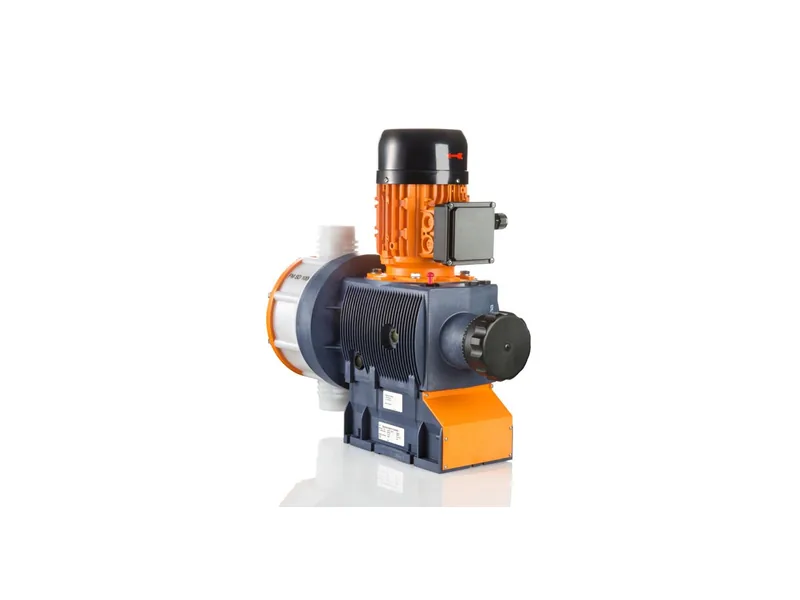
Figure 1: ProMinent Sigma/ 2 basic type motor-driven unit. Image source: ProMinent official website
- Calibrate the signal span. The flow meter range and the pump's full scale must line up, or the pump reaches maximum at half flow or never reaches it at all.
- Interlock with the main pump. When flow stops the signal goes to zero, but a faulty meter can still send a false signal, so a run contact from the process pump is a cheap safety layer.
For the pulse versus analog question, see 4-20mA vs pulse control for metering pumps.
Closed-loop PID: correct by the result
Closed-loop dosing control methods measure the outcome after the injection point, typically pH, free chlorine or ORP, and compare it with a setpoint. A controller calculates an output from the error and sends it to the pump.
Most controllers use a PID algorithm. The proportional term sets how hard the pump reacts to an error, the integral term removes a small persistent offset, and the derivative term damps fast changes. In chemical feed, derivative is usually left at zero and PI does the job.
Dead time is the real problem. Chemical needs time to travel from the injection point to the probe, and the probe needs time to respond. During that delay the controller sees no effect, keeps adding chemical, and then overshoots. The rule of thumb across all closed-loop dosing control methods: the longer the delay, the gentler the tuning.
Feed-forward plus feedback for large plants
When both flow and quality vary, for example disinfection at a municipal wastewater outfall, one method alone tends to hunt. A common answer combines two dosing control methods. The flow signal feeds forward a base dose, and a residual chlorine analyzer trims it. Feed-forward is fast, feedback is accurate, and together they hold the setpoint much better.
This is normally built in a PLC, and the pump only needs one 4-20 mA input. For how analyzers, PLC and pumps fit together in a full plant, see our article on the wastewater automatic dosing system.
How to choose between dosing control methods
Work through three questions in order:
- Is the flow steady? If yes, manual may be enough. If not, use at least flow-paced control.
- Does water quality change much? If it does and you have a reliable analyzer, add closed-loop or feed-forward plus feedback.
- Can the plant maintain the probes? An uncalibrated sensor makes closed-loop control worse than manual. In that case flow-paced control plus regular grab samples is generally safer.
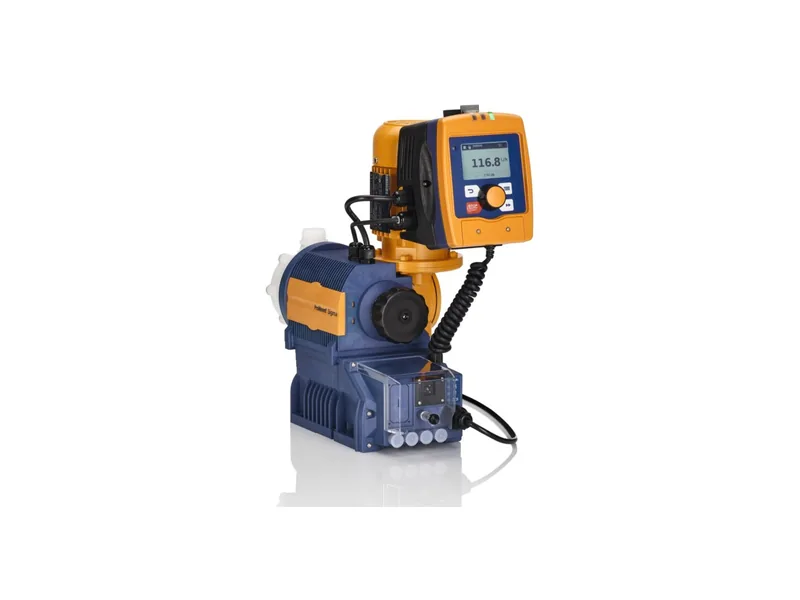
Match the pump to the control method. Taking ProMinent as an example, the Sigma/ 2 basic type motor-driven pump suits manual operation or an external VFD, while the Sigma/ X control type has built-in electronics that accept pulse and analog signals directly. You can compare motor-driven models on our mechanical diaphragm pump page and see the brand range on the ProMinent brand page.
Conclusion
Every metering pump changes output through stroke length and stroke rate. Dosing control methods only decide who gives the order: the operator, the flow meter, the analyzer, or a combination. Pick by asking whether flow or quality is the variable, then be honest about how well instruments will be maintained. Send us your flow range, the parameter you need to hold and your existing instruments, and contact our team for a control scheme and pump selection.
FAQ
Are more complex dosing control methods always better?
No. The control method should match the maintenance capability. On a site where nobody cleans the probes, closed-loop control can make the dose swing more than a fixed manual setting.
Which is more accurate, adjusting stroke length or stroke rate?
Stroke rate is usually more linear and repeatable. Most plants set stroke length once for the working range and let the automatic signal change the rate.
Do flow-based dosing control methods still need an analyzer?
It is a good idea to install one for monitoring. Even if it does not control the pump, it shows when chemical strength changes or the pump loses prime.
Can a solenoid pump handle closed-loop dosing control methods?
Yes. A solenoid pump follows pulse or analog signals from a controller, which makes it a typical choice for small closed-loop pH or chlorine dosing.
Why does my closed-loop dosing keep overshooting?
Typically the probe is too far from the injection point or the tuning is too aggressive. Shorten the delay where possible, reduce proportional gain, lengthen integral time and cap the pump output.