
How to Plan a Metering Pump Replacement: Interfaces and Signals
A metering pump replacement goes wrong most often when someone copies only the flow figure on the old nameplate. The new pump then arrives with the wrong thread or flange, too little discharge pressure, or a control signal the cabinet cannot accept. The piping, base and cables were built around the old machine, so the job is to fit a new unit into a system that already exists. This page is for the plant and process people who have to make that swap. It does not compare one brand with another; it lists the interfaces, ratings, signals and materials you should check first.
What to match before a metering pump replacement
Start with the liquid connections. Measure the actual thread or flange, the nominal size, the pressure class and the facing. Do not trust a nominal pipe size written on a faded tag. Mixing metric and inch hardware, or changing the facing, usually means an adaptor or a short pipe change, and that adds leak points and time.
Then check the installation interfaces: base hole spacing, shaft centre height and the direction of the hold-down bolts. A few millimetres of centre-height error will twist the suction and discharge lines, and leaks or vibration often start there. Cable gland size and the position of the terminal box matter as well, because the conduit from the cabinet is rarely easy to move.
If the old pump has a stroke handwheel, limit switches or stroke-position feedback, ask whether the new pump has the matching interfaces before you place the order. A metering pump replacement is not finished when two flow numbers look close. If the interfaces do not line up, the pump will not go in. Connection types are covered in metering pump connection types. Head and valve-ball materials are covered in metering pump head and valve-ball materials.
How to align flow, pressure and control signals
When you compare ratings, use a short list like this:
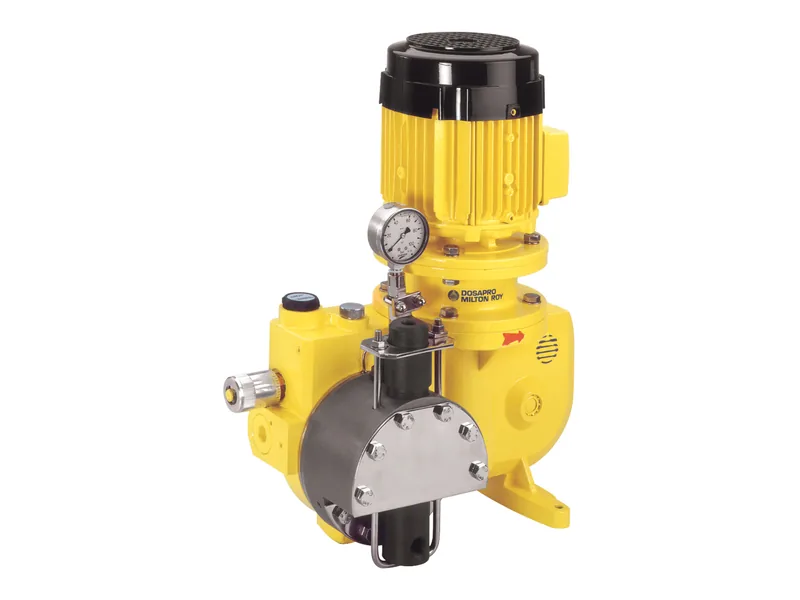
Figure 1: Milton Roy mRoy XB hydraulic diaphragm metering pump. Image source: Milton Roy official website
- Size the flow on what the process actually needs, with a margin, rather than copying the old maximum, especially if the old pump already runs at the end of its stroke;
- Check discharge pressure against the highest line pressure and the back-pressure valve setting, not only against a "usual" operating point;
- Line up the control method item by item: manual stroke, stroke frequency, 4-20 mA, pulse and start/stop interlocks. If one item is missing, the control room will have to change the program.
Milton Roy mRoy units are still common on older skids. On a metering pump replacement the usual trouble is not "is there a similar flow," but a mismatch in flange class, stroke adjustment or signal type. If the old pump doses by pulse count and the new one offers only an analogue input, or the other way around, write that into the order. Do not wait until the crate is on the floor. Signal wiring is described in 4-20 mA and pulse control. Stroke and frequency adjustment is described in metering pump flow adjustment. This page only stresses that the "how you adjust it" column belongs in the comparison sheet.
Calibrate flow again on the new pump with a column or a scale. The old dial markings usually do not transfer. A metering pump replacement that keeps the old calibration is a common source of error once the unit is in service. Typically you will also want a photograph of the old and new nameplates in the same file as the sheet.
Do not skip materials and installed dimensions
The fluid may be unchanged, but that does not mean the materials can be copied blindly. The old head may already have been replaced, so the nameplate and the metal in front of you can disagree. Check the chemical name, temperature, and whether solids or solvents are present, against the housing, diaphragm, balls, seats and seals. Hypochlorite, acids and polymer solutions will leak again soon if the wrong film is fitted.
On dimensions, look past centre height at the footprint and the space needed for service. A longer pump may hit a wall or a neighbouring pipe. If the original bolt pattern cannot be reused, plan a base adaptor and check that the plate is stiff and level.
A comparison sheet should at least cover fluid and temperature, flow and pressure, nozzle and base dimensions, control signals, materials, and whether the back-pressure valve, dampener and relief valve will be reused. If you are unsure, send a nameplate photo, the nozzle dimensions and the control method, and contact us so the list can be checked together. Pump types are listed under metering pumps and Milton Roy. Do not place a metering pump replacement order on a single flow number.
In many plants the comparison sheet is also the handover document for the installer. Keep the old and new photos with it. The next metering pump replacement, years later, usually goes faster when that pack is still in the cabinet. Around older pipework, a second visit to confirm centre height often pays off before the new base is drilled.
Conclusion
A metering pump replacement should start with an interface and rating comparison, and only then with brand and lead time. Flanges or threads, centre height, flow and pressure margin, control signals and head materials will each show up during installation or start-up if they were skipped. Write those items into a sheet, calibrate the new pump, and keep the photos with the file. Matching two brand names is not the whole job; the swap is done when the new unit actually connects, delivers and accepts the same commands. A complete metering pump replacement file makes the next swap easier as well. File the comparison sheet where the next team can find it, and treat every later metering pump replacement as a chance to update that pack rather than start from a blank page. Around a crowded skid, a metering pump replacement also needs a short isolation plan so the old unit can come off without draining the whole line.
FAQ
Can a metering pump replacement go ahead if the old catalogue is missing?
Yes. Measure the live connections, the base and the nameplate, and record the centre height. The catalogue is useful, but the hardware and the signal type in the cabinet usually matter more.
If the new pump has a higher flow than the old one, can it go straight in?
The extra capacity can be a margin, but you still need to check motor power, nozzle size and the stroke range you will actually use. A pump that sits at a very small stroke for long periods typically meters less cleanly, so bigger is not always better.
Can a signal mismatch be fixed with an add-on module?
Some pumps can take an analogue or pulse module; some need a different control chassis. For a metering pump replacement, write the signal difference into the order. Changing wiring after delivery is usually more awkward.
Can the old back-pressure valve and dampener stay in service?
They generally can, if their pressure and flow range still cover the duty and the seals are sound. If the new flow or pressure is clearly different, check the setting and the dampener volume again.
Is it enough to write "same materials as the old pump"?
No. Name the wetted parts. The old head may already have been changed, so it may not match the factory nameplate. Open the head once before you lock a metering pump replacement order, if you can.