
Fluoride Removal Chemical Dosing: Calcium, pH and Two Stages
A fluoride removal chemical will not keep driving residual fluoride down just because you raise the pump stroke. Calcium salts do the heavy lifting on high-fluoride wastewater; a specialty agent is often added in a second stage once calcium fluoride hits its solubility ceiling. This is for plant operators and the engineers who size the feed system.
How to choose a fluoride removal chemical: calcium or specialty
On the plant floor, "fluoride removal chemical" usually means two families. Lime slurry or calcium chloride supplies calcium so fluoride precipitates as calcium fluoride. That route can take a high inlet load, but sludge volume is high and residual fluoride flattens once solubility and fine-particle settling take over. Specialty products, often modified aluminum salts or adsorption-precipitation blends, work better on a low residual. They are a poor first shot at a strong hydrofluoric acid rinse stream.
The decision starts with inlet fluoride and the discharge limit:
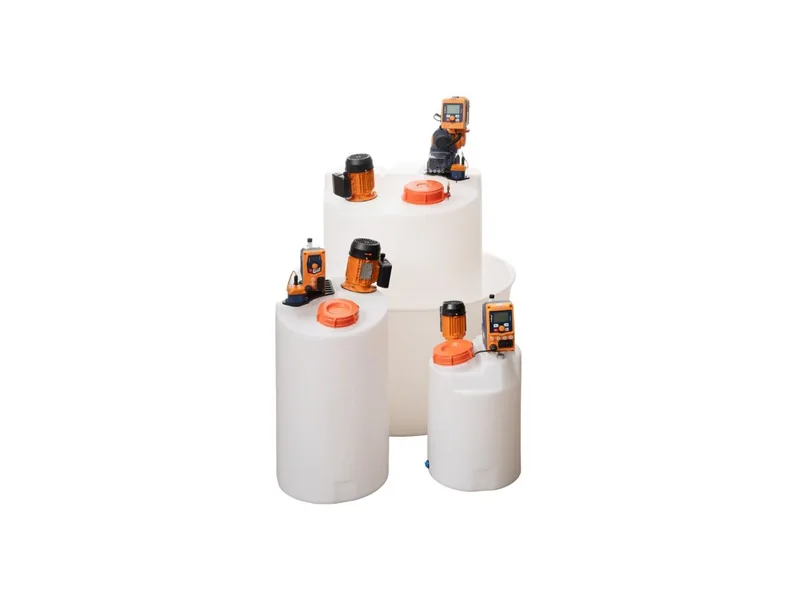
Figure 1: ProMinent DULCODOS eco dosing system. Image source: ProMinent official website
- High inlet and a moderate limit: calcium as the main fluoride removal chemical is usually enough.
- A tight limit is the usual reason to add a specialty agent downstream.
- If the inlet is already low, a large lime dose mainly makes sludge and plugged lines. Sulfate and phosphate compete for calcium, so pouring on more calcium rarely fixes the shortfall. Segregate the fluoride stream when you can, so the fluoride removal chemical is not wasted on side reactions.
Lime supplies calcium and alkalinity, but a standard diaphragm metering pump is a poor fit for lime milk. Calcium chloride dissolves cleanly and meters accurately, yet it crystallizes in suction lines. Size the head and valves for a crystallizing solution; see calcium chloride metering pumps. Many plants split the job: lime or caustic for pH, calcium chloride for make-up calcium, and a specialty fluoride removal chemical in the second stage.
Why the pH window for a fluoride removal chemical is not one number
Calcium fluoride forms poorly when the water is still strongly acidic, which is common after hydrofluoric acid cleaning or pickling. The reaction zone is typically held near neutral to slightly alkaline. Use the supplier window and a jar test, not a pH copied from another site.
A specialty fluoride removal chemical often needs a different window than the calcium stage. Some aluminum-based agents lose effect as pH climbs; others need the calcium-stage pH trimmed before they are added. One shared pH setpoint for both tanks is a common reason the first stage looks fine and the second does almost nothing. Give each reactor its own pH loop and acid or caustic pump, and use a fluoride-resistant probe. Ordinary glass electrodes wear out quickly in fluoride water; fluoride wastewater pH electrodes covers the probe choice. Once pH drifts, a correctly sized fluoride removal chemical dose will still miss the residual target.
When a second stage beats a larger fluoride removal chemical dose
After the first calcium stage has taken fluoride down to a plateau, more calcium often adds sludge faster than it removes fluoride. When the limit is strict, split the work: calcium as the bulk fluoride removal chemical, solids separation, then a specialty agent or an aluminum salt for polishing.
Fluoride sludge carried forward interferes with the second-stage chemistry, so you spend chemical and still see a moving residual. Settle or clarify after stage one, then dose the second fluoride removal chemical into clearer water. Do not put coagulant in the same nozzle as the fluoride removal chemical. Calcium or the specialty agent needs time to react; PAC and polymer bind those fines into a settleable floc. Place the coagulant where mixing and residence time make sense, as in coagulant dosing point selection. If the order is wrong, you usually see pin floc and a rising sludge blanket. For a fab-style train, see fluoride wastewater dosing in semiconductor plants.
How to trial the dose and what to watch
Do not lock a fluoride removal chemical dose from a rule of thumb. Run a jar test for each stage, start near those doses on a flow-paced signal, then trim against residual fluoride, pH and sludge.
Watch more than the residual number. A sudden jump in sludge with almost no change in outlet fluoride usually means you are already past the useful dose. Pin floc or a floating blanket is more often a mixing or polymer issue than a reason to add more fluoride removal chemical. If pH has left the window, fix acid or caustic first. An online fluoride electrode is useful for trend, but fouling is common in this water. Check the reading against a lab sample. Do not let a drifting probe drive the metering pump on its own.
Pump materials, crystallization and safety
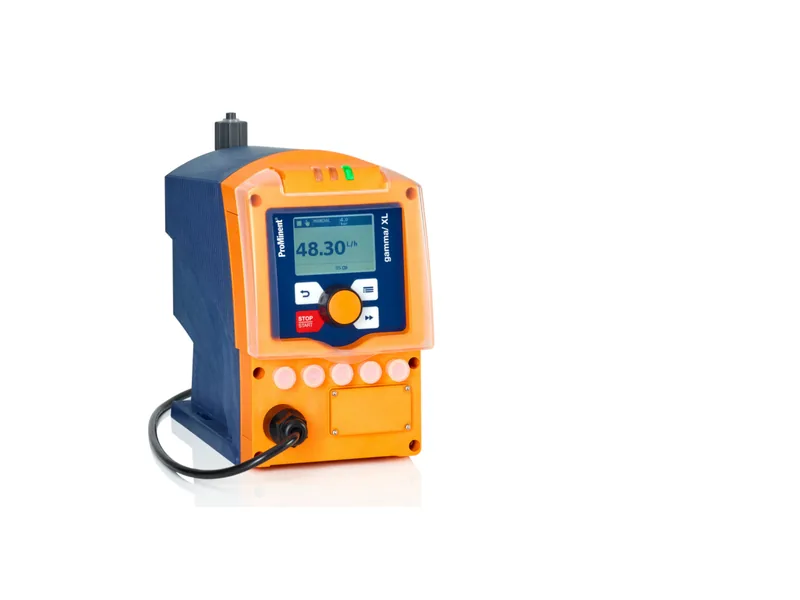
Hydrofluoric acid and raw fluoride wastewater attack glass, ceramics and silica-bearing parts. Pump heads, valve balls and sample lines that see acidic fluoride water should be PVDF, PTFE or PP, not a standard ceramic ball. ProMinent solenoid diaphragm pumps, or a skid such as DULCODOS, are often used on clear liquids like calcium chloride, caustic and a specialty fluoride removal chemical. Lime slurry belongs on a slurry pump or circulating header, not a standard diaphragm head.
Calcium chloride and some specialty agents crystallize. Keep the suction line short, fit a foot-valve strainer, and flush the head and discharge with clean water before a long stop. Caustic also crystallizes; select the head for alkali and never share an unflushed line with acid. Hydrofluoric acid and strong alkali can burn, so depressurize and flush before you open a pump. Send the chemical name, concentration, temperature, flow and pressure and contact us for selection if you need help matching head materials.
Conclusion
A fluoride removal chemical works when you put calcium on the high load and a specialty agent on the polish, instead of trying to break a solubility limit with more stroke. Hold a separate pH window for each stage, separate solids between stages when you can, and keep coagulant off the same injection point. Judge the dose by residual fluoride and sludge together. Choose pump materials that survive fluoride and crystallization. Have inlet fluoride, the discharge limit, flow and the chemical list ready, and contact us for selection.
FAQ
Can a larger fluoride removal chemical dose always drive residual fluoride lower?
No. Once the calcium stage has reached its solubility plateau, extra chemical barely moves residual fluoride and mainly raises sludge. Check pH, settling and whether a second-stage specialty agent is the better next step.
Can lime and calcium chloride be used together?
Yes. Many plants use lime or caustic to raise pH and supply part of the calcium, then meter calcium chloride for a precise top-up. Keep lime on a slurry system and calcium chloride on a clear-liquid metering pump.
Can a specialty fluoride removal chemical replace calcium as the main process?
Usually not when the inlet fluoride is very high. A specialty fluoride removal chemical fits after calcium, or on a stream that is already low in fluoride and cannot accept a large sludge load.
Do the two stages have to be separated by a clarifier?
It is strongly preferred. Stage-one sludge in the second tank interferes with the specialty agent and makes the residual swing. If space forces both doses into one tank, allow enough residence and mixing, and expect a weaker result.
What should we do when calcium chloride or a fluoride removal chemical line blocks in winter?
Check whether the made-up strength is too high, whether the pump was flushed at shutdown, and whether heat tracing is on. If a line has already crystallized, flush and depressurize it before you break a fitting.