
Heavy Metal Scavenger Dosage: Tests, pH and Staged Feed
A heavy metal scavenger dose cannot be copied from the next plant or from a supplier’s casual “that should be enough.” Start with a water test on your own wastewater: which metals are present, roughly how much, the pH, and whether complexing agents or a high organic load are in the way. Then bring the pH into the window where that chemical actually works, raise the dose step by step in a jar, watch the precipitate and the supernatant, and check residual metals. Adding more does not always make the water cleaner, and unused chemical can remain in the stream. This note is for operators and lab staff who have to set a heavy metal scavenger dose. It is not a rewrite of the whole heavy-metal wastewater train, which is covered in heavy metal wastewater dosing.
What to check before you set a heavy metal scavenger dose
Starting the pump with no test is guessing. You need to know which metals dominate, what level they are at, and whether they are bound by a complexing agent. Complexed metals are often harder to precipitate than free ions, and the same dose can miss the target completely. pH belongs in the same first look. Most products work only inside a pH window; outside it, more chemical will not produce a better precipitate, it will only be wasted.
A workable order is:
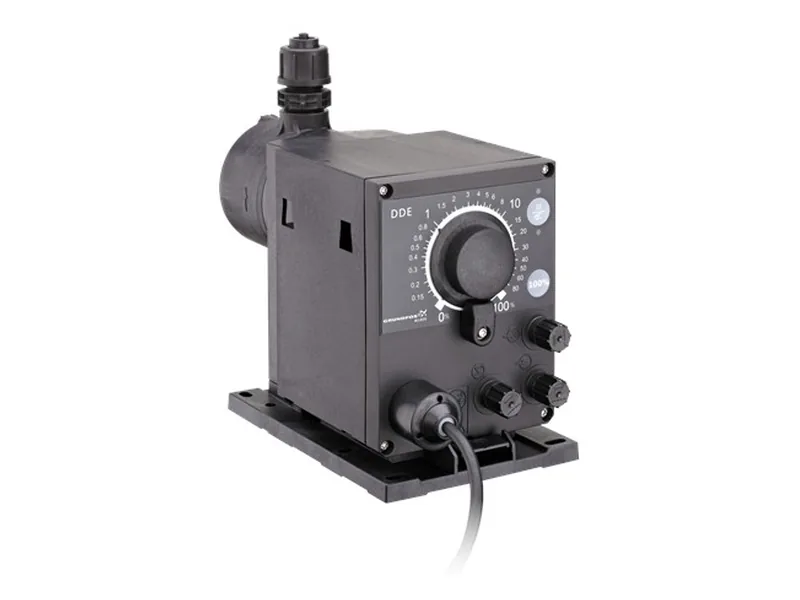
Figure 1: Grundfos DDE digital dosing pump. Image source: Grundfos official website
- Test the water for metal type, level, pH and any complexing agents
- Bring pH into the window given on the product sheet; adjust pH first if the chemical needs it
- Run a jar test on your own sample, raising the dose in steps, and watch precipitate and supernatant
- Check residual metals, rather than stopping when the supernatant “looks clear”
- Switch to staged feed if a single shot is not enough, and leave time for the reaction
The jar result is only a starting point for the heavy metal scavenger dose. If the influent swings, leave a margin for the worse water, but that margin is not the same as opening the stroke all the way. If coagulation or flocculation also sits in the train, the injection points are discussed in how to choose a coagulant dosing point. Do not mix a heavy metal scavenger and a coagulant into the same injection point just to finish both drums.
How the pH window and staged feed change the dose
If pH is outside the window, a carefully chosen heavy metal scavenger dose still will not work. Reset pH before you change the heavy metal scavenger setting again. Some wastes arrive already acidic or alkaline, so pH has to be corrected before the scavenger starts. Some products also shift pH as they are added, so you have to check it again during the test. Do not add scavenger and chase pH at the same time; you will not know which change caused the next result.
Staged feed helps when the metal load is high, or when a single addition does not finish the precipitation. Add part of the dose, leave time to react and settle, then look at residual metals before you decide whether a second stage is needed. That often uses less chemical than one large shot, and it is easier to avoid leftover scavenger in the effluent. Leave mixing and reaction time between the two stages. Do not tee two pump discharges into the same pipe and run them together.
Always close the dose against residual metals, not against how clear the supernatant looks. Clear water does not guarantee that the metals have precipitated, especially when a complexing agent is present. A heavy-looking precipitate is also not proof that you have added enough. Pair the lab result with the jar when you confirm a heavy metal scavenger dose.
What overdosing does, and how to pick the pump
A heavy metal scavenger is not “the more, the cleaner.” Past a useful range, residual metals often stop falling, while unreacted chemical remains and can affect later flocculation, discharge and sludge. If the result is poor, go back to pH, mixing time and whether the influent has changed, then revisit the dose. Do not translate a poor result into one more increment of stroke.
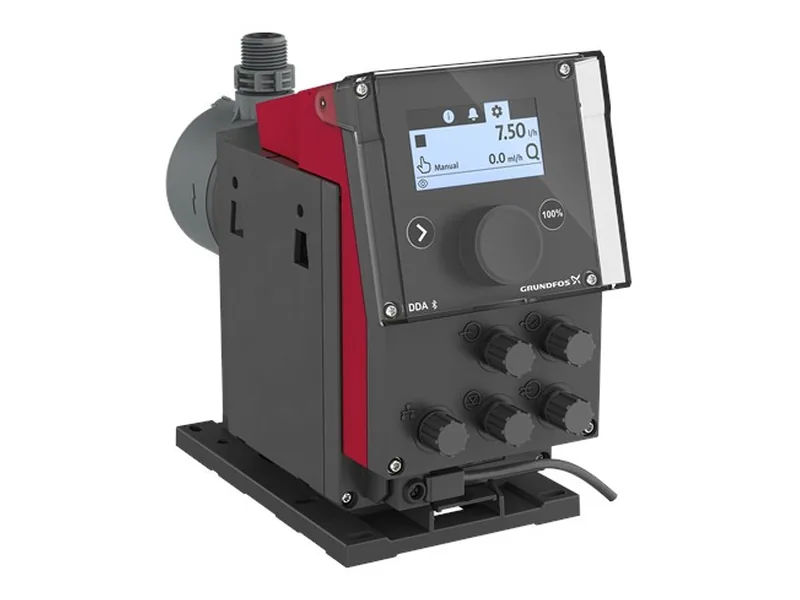
These chemicals are often corrosive or have a strong odor. Pick the pump head, seals and pipe for the product; see chemical compatibility in dosing systems. A Grundfos DDA or DDE digital diaphragm metering pump is a common choice when the flow is small and the dose has to follow a signal closely. You can compare the brand and the pump on the Grundfos brand page and the metering pump range. Have the metal types, the water flow, the pH and the lab data ready, and contact us for sizing so the pump and the injection point can be checked against the duty. When you change chemical lots, rerun a jar; do not assume the new drum takes the same heavy metal scavenger dose as the last one.
Conclusion
A heavy metal scavenger dose is set by tests, the pH window, jar work and residual metals, not by a fixed number of millilitres copied from somewhere else. Bring pH into the window first, then size the dose on your own water, and use staged feed when a single shot cannot finish the precipitation. Overdosing does not always mean a lower residual, and the pump stroke cannot replace a lab result. Lock the heavy metal scavenger dose first, then check the rest of the train against the heavy-metal wastewater article.
FAQ
Can I set the dose from experience if I have no water test?
That is a poor plan. A change in metal type, complexing or pH will make the old experience fail. Do at least one influent and effluent metal test, start from a jar, and repeat when the influent changes.
If I add more heavy metal scavenger, will residual metals always fall?
Not always. Beyond a useful range, residuals often stop falling, while unused chemical remains. Close the dose with a lab result, not by opening the stroke “to be safe.”
If pH is outside the window, does a larger dose still help?
Generally no. Outside the window the product cannot do its job, and more chemical is only wasted. It can also make the later steps harder. Fix pH first, then talk about the heavy metal scavenger dose.
Why use staged feed? Can I add the whole dose at once?
When the metal load is high or a single shot does not finish the precipitation, staged feed lets you read the residual before you add a second stage, and it is usually easier to control. A single addition can work on a stable, modest load, but staged feed is easier to diagnose when results wander. Re-check the heavy metal scavenger dose whenever the influent shifts. That choice is part of setting a heavy metal scavenger dose, not a separate process redesign.
After the scavenger, do I still need PAM?
In many plants the precipitated solids still need a coagulant or a flocculant to settle cleanly and to give a manageable sludge. Whether you add one, and where, should come from a jar test on your own water. Do not assume the scavenger replaces the flocculation step.