
Emulsion PAM Dosing: Drum Mixing and In-Line Dilution
Emulsion PAM dosing is not the same job as dissolving dry powder in a make-down tank, and it is not the same as pouring a ready dilute solution. The product is a liquid in which the polymer sits in an oil phase. After the drum has sat, it can separate, so you invert or mix it first, then meter the neat product into a flowing dilution-water line, where inversion and dilution take place before the stream reaches the process. Dumping neat emulsion into the basin, or running the neat pump with no dilution water, leaves sticky lumps in the pipe or the tank and then plugs the pump and the nozzles. This note is for operators who have to set up emulsion PAM dosing, including drum mixing, in-line dilution and pipework. It is not a walk-through of dry-powder dissolving or aging.
Why emulsion PAM dosing starts with inverting the drum
The drum is not guaranteed to stay uniform. The oil phase and the polymer phase can separate, with a thick heel at the bottom and a thinner layer on top. If you pump that as-is, the pump will see thin oil one minute and a heavy slurry the next, and both the flow and the effective strength will wander. Rolling, inverting, or gently mixing the drum or tote before you start is the first step in emulsion PAM dosing. A tote can be recirculated from the bottom back to the top, but do not mix so hard that the product inverts inside the container.
A workable order is:
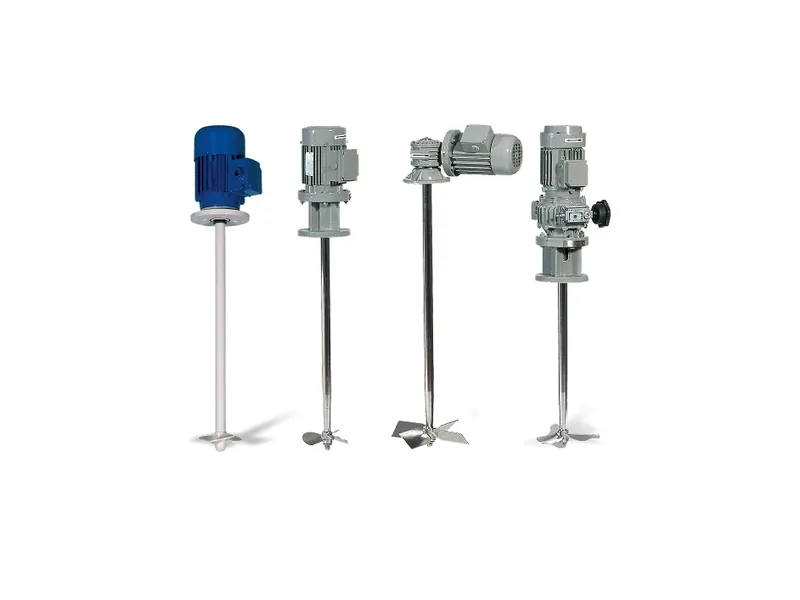
Figure 1: Doseuro mixer. Image source: Doseuro official website
- Mix the drum or tote until there is no obvious layering
- Start the dilution water and check the flow and the mixing point
- Start the metering pump on the neat product and watch that the diluted stream looks even
- When you stop, shut the neat pump first and the dilution water second, so the neat product cannot invert in a dry pipe
If the drum is not mixed, careful in-line dilution will not rescue the feed. In winter the neat product is thicker, so mixing has to be more thorough and the suction line should stay short. That winter check belongs in everyday emulsion PAM dosing, not only in a startup procedure.
How in-line dilution should work in emulsion PAM dosing
The core of emulsion PAM dosing is this: a metering pump doses the neat product, and inversion happens in the water line. Dilution water is already moving in the pipe. The neat product joins through a branch, then a static mixer or a long enough turbulent run turns the water-in-oil emulsion into a usable dilute solution. If the mixing time is too short, the diluted stream still carries uninverted oil droplets or sticky lumps, and flocculation in the basin is poor.
The in-use strength after dilution still matters. Too strong and the line gets sticky; too weak and water use and residence time are hard to manage. The general idea is in how to set polymer concentration, but do not copy a dry-powder make-down tank onto an emulsion line. Dose ranges are in typical polymer dosage ranges. If a coagulant is also in the train, the order is still the one in PAC and PAM dosing sequence. Emulsion PAM dosing changes how the polymer is prepared, not whether it should appear before or after the coagulant.
If the dilution water stops, the neat pump must stop with it. Neat product in a dry pipe will invert on its own and form gel, and the next start will plug the valve and the mixer. Interlock the neat pump to low or lost dilution-water flow. Do not rely on the crew remembering to open the water first. That interlock is part of emulsion PAM dosing, not an optional extra.
What the feed pump and the pipe need for emulsion PAM dosing
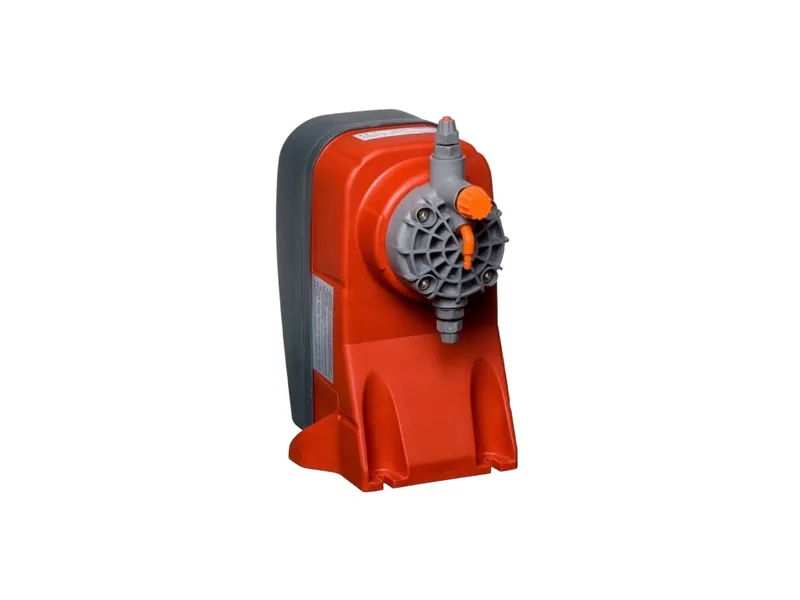
Neat emulsion is viscous and oily. Pick the pump head and the seals for the product, keep the suction short and reasonably large, and keep the number of elbows down. A Doseuro mechanical-diaphragm or solenoid-driven diaphragm metering pump is often used for continuous neat feed. You can compare the brand and the pump on the Doseuro brand page and the metering pump range. A back-pressure valve on the discharge helps stop siphoning, which would push extra neat product into the dilution line.
A few field problems show up again and again. Do not run the neat line against a hot water pipe; a temperature rise changes viscosity and can make the product unstable in the pipe. After a long stop, drain or flush the neat line rather than leaving product in a dead leg overnight to turn into gel. Leave enough pipe or mixer elements between the injection point and the first sharp bend or reducer, or mixing will be poor. If a suction strainer is fitted, choose a mesh that oily film will not blind immediately, and open it on a schedule. Have the neat viscosity, the dilution-water flow and the injection point ready, and contact us for sizing so the pump and the pipe can be checked against the duty. Good hardware will not fix emulsion PAM dosing if the drum was never mixed.
Conclusion
Emulsion PAM dosing works when the neat product is mixed first and then metered into already flowing dilution water, not when the drum is emptied into the basin. Stop the neat pump before the dilution water, keep the pipe short and free of dead legs, and interlock the neat pump to a loss of dilution water. Dry-powder dissolving and aging are a different method; do not carry those habits onto the emulsion pump and the dilution line. Get mixing, in-line dilution and pipework stable, then talk about dose. That is the practical core of emulsion PAM dosing.
FAQ
If the bottom of the drum has thickened, should I invert it before pumping?
Yes. A thick bottom usually means the drum has separated. Pumping it as-is will send a heavy slurry and a thin oil phase out at different times. Invert, roll or mix the drum, then start the metering pump. This is the first step in emulsion PAM dosing, not an optional courtesy.
Can I inject neat emulsion straight into the process tank, with no dilution line?
That is a poor plan. The product needs to invert in dilution water before it can disperse. A direct shot into the basin tends to form lumps, coat the walls and give weak floc, and the cleanup is messy.
If the dilution water stops, can the neat pump keep running?
No. Without water, the neat product inverts in the pipe and forms gel, and the next start will plug the line. The neat pump must trip on loss of dilution water.
The emulsion is thicker in winter and the pump will not prime. What should I check?
Confirm the drum is mixed, then look at whether the suction line is long and undersized. You can keep the neat storage area temperate, but do not heat the drum hard. A shorter, larger suction line usually helps more than opening the stroke all the way.
How is this different from dosing dry PAM?
Dry PAM has to be dissolved and aged first. Emulsion PAM dosing mixes the neat product, then inverts it in a dilution line. The preparation path is different, so do not copy make-down tank habits onto the emulsion pump and the dilution pipe. Treat emulsion PAM dosing as its own setup.