
Fluoride Wastewater Treatment in Semiconductor Fabs: Chemical Dosing
Fluoride wastewater treatment in a semiconductor fab follows a clear sequence: raise pH and add calcium so fluoride precipitates as calcium fluoride, then dose coagulant and polymer to settle the fine particles, then trim pH again before discharge. Etching and cleaning steps use large amounts of hydrofluoric acid, so the effluent is strongly acidic, high in fluoride and variable with the production schedule. The dosing system has to keep up with those swings and survive HF.
This guide is for process and maintenance staff at fab wastewater plants and for engineers building fluoride wastewater treatment dosing packages.
What makes semiconductor fluoride wastewater treatment different
Fabs usually segregate wastewater at the source: fluoride, ammonia, CMP slurry, general acid and caustic, and organics each have their own drain. Fluoride streams come from wet etch and cleaning, mostly hydrofluoric acid and sometimes ammonium fluoride from buffered oxide etch. The water has very low pH, high fluoride and arrives in batches, so quality before and after the equalization tank can differ a lot.
Segregation pays off. When fluoride wastewater treatment runs on its own stream, calcium is not wasted reacting with sulfate and phosphate from other drains, and chemical use and sludge volume are easier to control.
The dosing sequence for fluoride wastewater treatment
Stage 1: pH adjustment and calcium addition
Calcium fluoride precipitation works best near neutral to slightly alkaline pH. Raw water enters a reaction tank where lime slurry or caustic soda raises pH and calcium chloride supplies calcium. Lime provides both alkalinity and calcium and is cheap, but it dissolves poorly, makes more sludge and blocks lines. Calcium chloride dosing is cleaner, more accurate and produces less sludge. Many fabs combine them: lime or caustic for pH, calcium chloride for calcium.
Calcium fluoride needs time to react and grow crystals, so the reaction tank needs adequate residence time and mixing, set by the process designer.
Stage 2: coagulant and polymer
Calcium fluoride particles are very fine. Settling alone often leaves turbid effluent and fluoride above target. Coagulant such as PAC goes into a rapid mix tank, polymer into a flocculation tank, and the larger floc settles in the clarifier. See coagulant and polymer dosing sequence for timing. Where limits are strict, a second fluoride removal stage with aluminum salts or a specialty agent follows.
Stage 3: final pH trim
Stage 1 pushes pH up, so the clarified water is usually alkaline and needs acid before discharge. Each pH stage needs its own probe and metering pump; our article on online pH control dosing explains the loop.
HF and material selection for fluoride wastewater treatment
Hydrofluoric acid attacks glass, ceramics and silica-containing materials. That is the first rule for fluoride wastewater treatment equipment. Ceramic valve balls, glass rotameters and glass-filled parts that are standard on many metering pumps can fail in fluoride service.
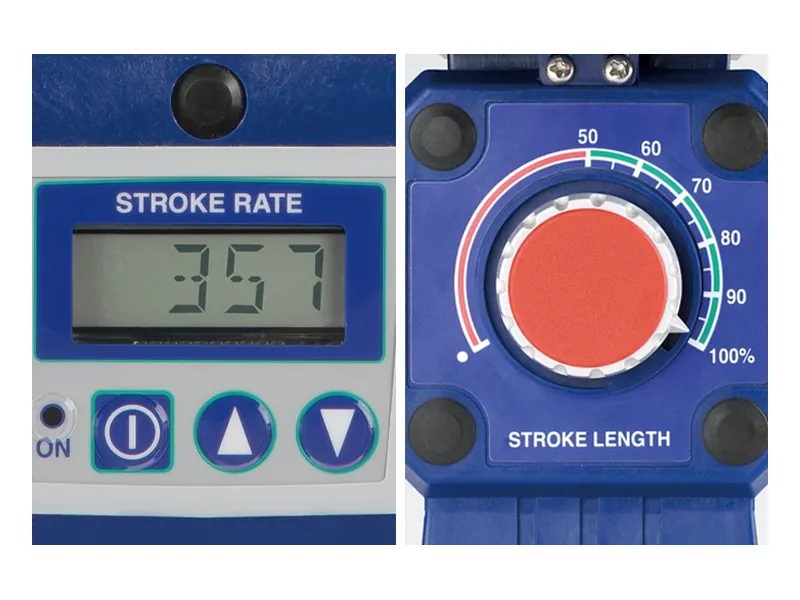
Figure 1: IWAKI EHN-R series digital control panel. Image source: IWAKI official website
- Pump heads and piping in contact with raw fluoride water should be PVDF, PTFE or PP, with PTFE or other fluoropolymer valve balls instead of ceramic.
- pH probes should be a fluoride-resistant type; ordinary glass electrodes wear out quickly.
- Each reagent has its own demands. Calcium chloride solution tends to crystallize; read which metering pump suits calcium chloride.
- Lime slurry is not suited to a standard diaphragm metering pump. Use a recirculation loop with branch takeoffs or a peristaltic pump.
Pumps and pH control
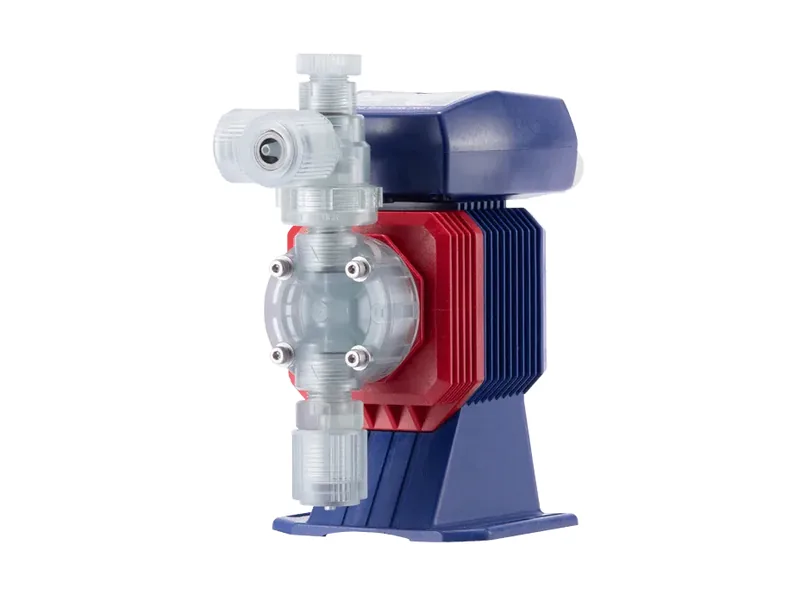
Most reagent flows in fluoride wastewater treatment are modest, so solenoid metering pumps are common. The IWAKI EHN-R series has a digital controller with stroke rate settable from 1 to 360 strokes per minute in single-stroke steps, wetted material options of PVC, GFRPP, PVDF and SUS316, external pulse input, and a level sensor input that stops the pump at low tank level. For caustic, acid and calcium chloride, choose the PVDF or PVC version to suit the chemical. Browse solenoid metering pumps or the IWAKI brand page.
Two site problems come up again and again in fluoride wastewater treatment. First, the stage 1 pH probe must sit at the reaction tank outlet, not next to the injection point, or the reading jumps and the pump cycles on and off. Second, batch discharges create big pH shocks that one small pump cannot follow; use a large and a small pump, or step the dose with equalization tank level.
Safety
Safety in fluoride wastewater treatment starts with HF awareness. HF exposure may not hurt immediately but penetrates tissue and causes deep injury. Keep calcium gluconate gel and other HF first aid on site, and wear HF-rated gloves and a face shield. Before opening a pump head or line, stop the pump, close valves, relieve pressure and flush. Store caustic and acid apart so they cannot be mixed by mistake.
Conclusion
Fluoride wastewater treatment in a fab runs in three stages: pH adjustment with calcium to form calcium fluoride, coagulation and flocculation, then a final pH trim. Calcium can come from lime, calcium chloride or both. Keep glass and ceramics away from fluoride water and use PVDF and PTFE. Give each pH stage its own probe and pump, placed and sized for the flow swings. Send us your flow, fluoride concentration, discharge limits and current reagents, and contact our engineers to review dosing points and pumps.
FAQ
Lime or calcium chloride for fluoride removal?
Both have a place in fluoride wastewater treatment. Lime is cheaper but makes more sludge and blocks lines; calcium chloride doses accurately with less sludge, so many plants combine them.
Can a pump with ceramic valve balls handle fluoride water?
It is not recommended. HF attacks ceramics, so PTFE balls are the safer choice wherever raw fluoride water is in contact.
Why is fluoride still high after calcium dosing?
In fluoride wastewater treatment, this usually means the calcium fluoride particles are too fine to settle or reaction time is too short. Add coagulant and polymer, and a polishing stage if needed.
What about heavy metals in semiconductor wastewater?
Heavy metal streams are normally collected separately and treated by hydroxide precipitation or metal scavengers, not mixed with the fluoride stream.
Why do pH probes fail so fast in fluoride water?
Standard glass electrodes are etched by fluoride. Switch to fluoride-resistant probes and follow the cleaning and calibration schedule.