
Fluoride pH Electrode Selection for HF and Fluoride Wastewater
Semiconductor, plating and stainless pickling lines discharge fluoride wastewater, and pH control decides whether fluoride removal and neutralization stay stable. Many sites still fit an ordinary glass probe. In a few days hydrofluoric acid etches the membrane, the reading jumps, and the pump follows the error. The job is not to buy a more expensive standard probe and call it a fluoride pH electrode. It is to judge fluoride level, temperature and the pH range, and to decide whether a fluoride pH electrode, an antimony probe or another HF-resistant construction is required. This note is for instrument and wastewater technicians. The dosing process is covered in fluoride wastewater treatment in semiconductor fabs. Loop control is in pH dosing system control.
Why fluoride wastewater destroys ordinary glass so quickly
Hydrofluoric acid reacts with silica, and a glass pH membrane is a silicate. When free HF is high, the water is hot and the pH is low, the surface is etched, the slope collapses, and the probe can be scrap in days. In neutral or alkaline fluoride water, fluorine is mostly present as fluoride ion, so the attack on glass is weaker, but you still have to stay inside the maker’s fluoride and temperature limits. The phrase “the water contains fluoride” is not a specification.
Ordinary probes, unlike a properly chosen fluoride pH electrode, also see plugged junctions, because lime or calcium-salt fluoride removal throws a lot of solids. If the mounting point faces the dosing tee, local pH swings and calcium fluoride sludge hit the membrane together. A fluoride pH electrode should sit where mixing is reasonably complete and where bubbles and grit are lower, with a sheath or a flow cell if needed.
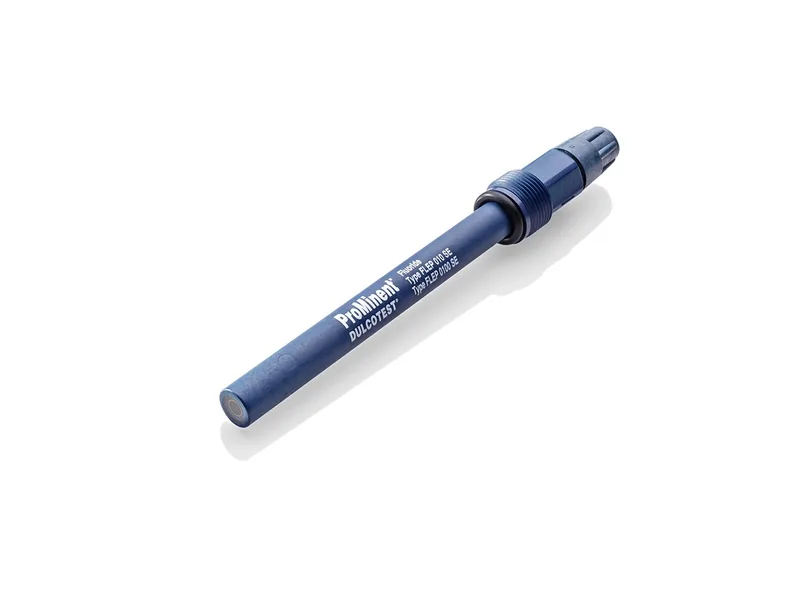
ProMinent DULCOTEST fluoride ion electrodes measure fluoride concentration, not pH. Plants often install both. The pH loop still needs its own fluoride pH electrode or other HF-resistant probe. Do not treat the fluoride-ion reading as pH.
When to use a fluoride pH electrode, an antimony probe, or a diluted sample
HF-resistant glass, sold as a fluoride pH electrode, changes the glass formula or adds protection so the allowed fluoride and temperature window is wider. It fits moderate fluoride when pH is not extremely low. At high HF and high temperature, glass may still fail, and sites move to an antimony electrode or another metal-oxide probe. Antimony does not offer a glass surface for HF to etch, but its linear range and maintenance differ from glass. Accuracy and speed have to be taken from the manual, not from water-works glass habits.
Another option is to cool or dilute the sample before the measurement, lowering HF activity, then use the result for monitoring. That adds lag, and the dilution ratio must be stable or the pH used for control will be wrong. Whether it is worth doing depends on how tight the discharge or the reaction is.
The body, housing and seals of a fluoride pH electrode also have to resist fluoride. Ordinary glass and some elastomers fail in HF as well. Confirm the thread and O-ring materials, for example a PTFE gasket or a specified FKM, depending on the medium.
A checklist before you change the pH loop
Walk through these points at design or retrofit:
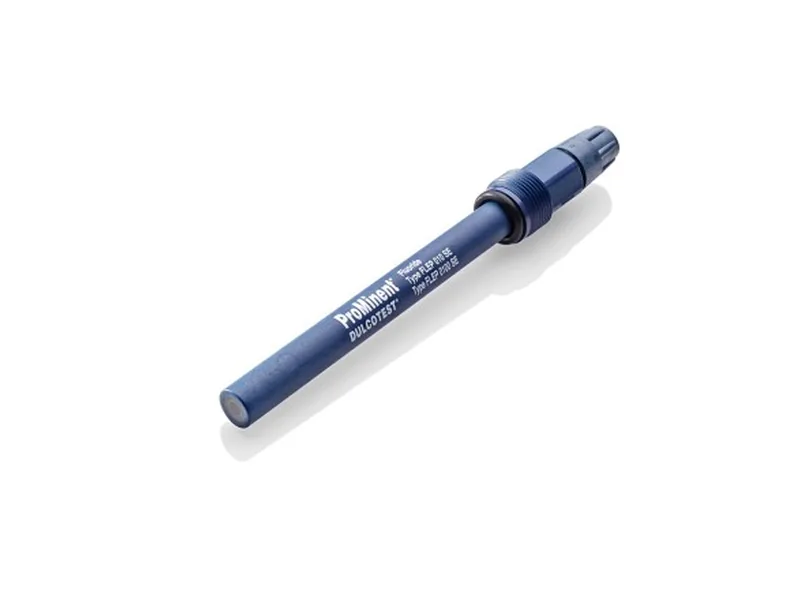
Figure 1: ProMinent DULCOTEST fluoride. Image source: ProMinent official website
- Fluoride range, temperature, and whether pH sits in the acid or the neutralization band, including free HF.
- Whether the current glass probe lasts days or months, and whether the membrane is already frosted when it fails.
- How far the point is from the calcium-salt or caustic tee, and whether sludge wraps the bulb.
- Whether the body, gasket and sheath are fluoride-resistant, and whether a fluoride pH electrode or an antimony spare is on the shelf.
- Whether control is one-stage or two-stage neutralization, and whether cleaning can keep up.
In two-stage fluoride removal the two pH duties are not the same. Do not share one probe across both stages. Product families are under pH/ORP instruments and on the ProMinent pages. Maintenance practice is in the online analyzer electrode maintenance guide.
Calibrate more often, and keep HF out of the buffers
A fluoride pH electrode typically needs a shorter calibration interval than a clean-water probe. Rinse thoroughly when you withdraw it, so HF or calcium fluoride does not enter the buffer. Contaminated buffer breaks the whole calibration chain. If the glass of a fluoride pH electrode is already cloudy or pitted, another calibration will not restore the slope. Replace the probe; do not keep polishing it.
Antimony care is about cleaning a metal surface. Do not apply glass-membrane soak or regeneration steps. Keep connectors out of corrosive mist. Switch the control loop to manual while you change or clean a probe, so the fluoride-removal pumps do not swing on a drifting value.
Conclusion
For fluoride wastewater, choose a fluoride pH electrode or an antimony probe from the fluoride level, temperature and pH band, and keep the mounting off the dosing tee and the sludge zone. Housings and gaskets must also resist fluoride. Rinse before every calibration. Send the water data, the life of the current probe and the dosing arrangement, and contact us so we can say which HF-resistant option fits.
FAQ
Does any fluoride in the water rule out glass?
No. At low concentration, moderate temperature and near-neutral pH, some HF-resistant glass can work. When free HF is high or the water is hot, ordinary glass usually will not last.
Is an antimony probe too inaccurate for fluoride wastewater pH?
The range and accuracy differ from glass. It is typically adequate for neutralization control, but it will not meet a water-works glass specification. Follow the maker’s curve and calibration method.
Can a fluoride-ion electrode replace a fluoride pH electrode?
No. A fluoride-ion electrode measures concentration. pH still needs its own measurement. The two probes are often installed together and do different jobs.
If a probe dies in days, is the chemical dose too high?
It may also be that the point sits too close to the calcium or acid/caustic tee, so local HF or solids destroy the membrane. Check mounting and mixing before you change the dose.
Do I need special fluoride buffers?
Usually you still use standard pH buffers, but process fluoride water must not enter the bottles. Rinse clean. Whether a special buffer is required depends on the probe manual.