
Coke Oven Wastewater Treatment: Chemical Dosing Stage by Stage
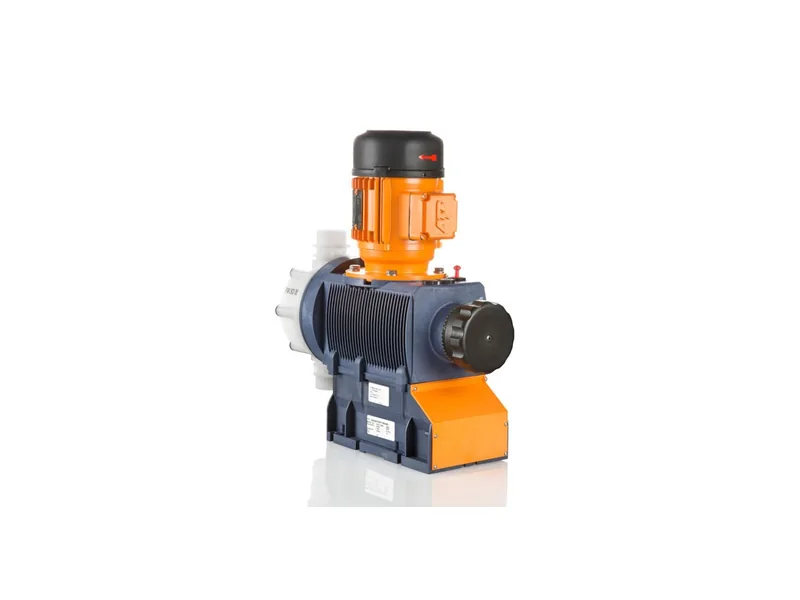
Coke oven wastewater treatment is not one dosing point. It is a chain of them: caustic in the ammonia still, demulsifier and coagulant ahead of oil removal, a precipitation or oxidation step for cyanide, alkalinity, carbon and phosphorus for the biological stage, and a final coagulation or advanced oxidation step for polishing. Each stage has its own chemical and its own pump problems. This article is for process engineers at coke plant water treatment units, design consultants and maintenance teams planning upgrades. It covers where chemicals go and how to equip each point. Actual dose rates have to come from your own lab results and jar tests.
Why coke oven wastewater treatment is hard
Most of the flow comes from excess ammonia liquor, gas cleaning and by-product recovery. It is high in phenol, cyanide and ammonia, and much of its organic load resists biodegradation. Tar, sulfides, thiocyanate and polycyclic aromatics are mixed in, and quality swings with oven operation.
Two practical problems follow. Oil and tar coat pump heads and foul check valves, so chemical stops reaching the line. And when one upstream stage underperforms, the biological plant takes the shock. Coke oven wastewater treatment therefore puts reliability and easy maintenance of the dosing equipment ahead of almost everything else.
Ammonia still: the first coke oven wastewater treatment dosing point
Ammonia in excess liquor is partly free and partly fixed as ammonium salts. Steam stripping removes free ammonia, but fixed ammonia has to be converted first by adding caustic, so most stills have a caustic feed to the column feed or the column itself.
Plants usually use liquid caustic soda and trim the rate on still effluent ammonia and pH. The trouble spots are caustic crystallizing in winter and plugged lines, so heat tracing and insulation matter, along with head and valve materials suited to caustic. See caustic soda dosing pump selection.
Oil removal: demulsifier, coagulant and polymer
Oil appears as free oil, dispersed oil and emulsion. Gravity separators catch free oil. Emulsified oil needs chemical breaking, followed by dissolved air flotation to lift oil droplets and fine solids.
The usual approach is coagulant ahead of the DAF unit, a short mixing run, then polymer so fine droplets and particles flocculate and float. Chemical choice and ratio need jar tests, because effluent differs a lot from one coke plant to another. For how the chemicals fit around the float tank, see DAF chemical dosing.
Oil is the main enemy of pumps in this part of coke oven wastewater treatment. Keep the suction off the tank bottom, clean strainers often, strip and clean valve sets on a schedule, and keep the standby pump ready to switch.
Coking wastewater phenol and cyanide removal
In many plants phenol is recovered upstream by solvent extraction and the rest is handled biologically, so in coke oven wastewater treatment the dosing focus at this stage is cyanide. Measure free and complex cyanide separately, because they respond to different chemistry.
Precipitation
Ferrous salts react with cyanide to form stable iron-cyanide complexes that settle out in a following coagulation and clarification step. Ferrous solutions oxidize and degrade if stored too long, so make up only what you will use. Handling tips are in ferrous sulfate dosing.
Oxidation
An oxidant destroys cyanide at a controlled pH. It is more complete, but chemical demand and side reactions must be checked in bench tests, and pH control has to be tight.
Whichever route you take, never add acid to cyanide-bearing water without control. A drop in pH can release highly toxic hydrogen cyanide gas. Keep acid injection points away from the cyanide stage, install gas detection and ventilation, and make sure operators wear the required protective equipment.
Biological nitrogen removal: alkalinity, carbon and phosphorus
Most plants remove nitrogen biologically, typically with anoxic and aerobic stages. Coke oven wastewater treatment at this step usually needs three additions.
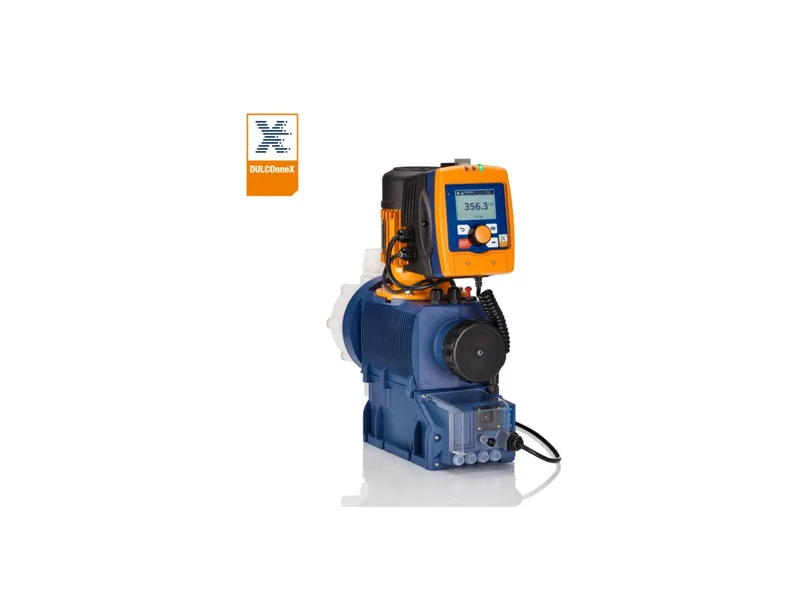
Figure 1: ProMinent Sigma X motor-driven metering pump. Image source: ProMinent official website
- Alkalinity. Nitrification consumes alkalinity. If the feed is short, pH falls and nitrifiers slow down. Soda ash or caustic is dosed under pH control in the aeration tank.
- Carbon. COD is high, but much of it is hard to degrade, so denitrification often runs short of usable carbon and needs an external source. Choice and dosing are covered in glucose carbon source dosing.
- Phosphorus. Coke plant effluent is usually phosphorus deficient, so a small phosphate feed balances nutrients, set from lab results.
Alkalinity feed is continuous and fairly large, so size that pump with margin. The phosphate feed is small; choose a small pump instead of running a large one at a tiny stroke length.
Polishing in coke oven wastewater treatment
After the biological stage, coke oven wastewater treatment still has refractory organics and color to deal with. Coagulation and settling with an iron or aluminum coagulant plus polymer is the common first polishing step. Stricter limits may call for Fenton-type oxidation, which brings acid, ferrous salt, hydrogen peroxide and caustic for pH recovery. With that many chemicals, sort out dosing sequence and interlocks at the design stage.
Coke plant effluent chemical dosing: choosing the pumps
For coke oven wastewater treatment, work through pump selection in this order:
- Materials first. Caustic, acid, ferrous salts and oxidants each need different head, diaphragm and valve ball materials.
- Then pump type by flow. Continuous, larger feeds such as alkalinity and coagulant suit motor-driven mechanical diaphragm pumps, for example the ProMinent Sigma series. Phosphate and other small feeds suit solenoid pumps.
- Then site conditions. Gas-handling areas may require explosion-proof equipment, and coke plants are dusty, so protect pump rooms against dust and corrosion.
More models are listed under mechanical diaphragm metering pumps.
Conclusion
Coke oven wastewater treatment works best when dosing is planned stage by stage: caustic in the ammonia still, demulsifier and coagulant for oil removal, precipitation or oxidation for cyanide, alkalinity, carbon and phosphorus for nitrogen removal, and coagulation or advanced oxidation for polishing. Variable feed and oil fouling are the real challenges, so choose pumps and piping that are easy to keep running, and base every dose on lab data and jar tests. Send us flows, influent data and your current chemicals, and contact our engineers to review your coke oven wastewater treatment dosing scheme.
FAQ
Can we copy dose rates from another coke plant?
No. Coal blend, process and water reuse differ, so coke oven wastewater treatment doses must come from your own analysis and bench tests.
Why test free and complex cyanide separately?
They react differently. Without separate numbers you cannot choose between precipitation and oxidation or judge the result.
Why does pH keep dropping in the aeration tank?
Usually nitrification is using up alkalinity faster than the feed supplies it. Check that the alkalinity pump is actually delivering, then calibrate the pH probe.
Why does the pump ahead of the DAF unit keep losing prime?
Most often oil fouls the check valves or strainer. Clean the valves regularly, raise the suction off the tank bottom and consider a head design that is easier to clean.
Is advanced oxidation always needed for polishing?
No. Check whether coagulation and settling meet the limit first. Only then weigh advanced oxidation, including chemical use and operating effort.