
Ferrous Sulfate Dosing: Preventing Oxidation, Crystals and Clogging
Ferrous sulfate dosing usually goes wrong in two ways: the solution oxidizes and drops rust-colored sludge into the check valves, or it crystallizes in cold pipework overnight. Choose a solution strength with winter in mind, mix fresh batches in a covered tank, and flush the pump every time it stops, and most of the trouble disappears. This article is for wastewater operators and engineers who build chemical feed systems.
Ferrous sulfate is used for chemical phosphorus removal, hexavalent chromium reduction and sludge conditioning. We will not cover those processes here. The focus is the chemical itself and the hardware that pumps it.
Why ferrous sulfate solution oxidizes
Solid ferrous sulfate heptahydrate is a pale green crystal, often called copperas or green vitriol. Once dissolved, ferrous iron reacts with oxygen from the air and slowly turns into ferric iron, which hydrolyzes into a yellow-brown, gelatinous precipitate. A layer of rusty sludge builds up in the tank bottom, the suction line picks it up, and it lodges on the valve seats.
Several things speed up oxidation in a ferrous sulfate dosing tank:
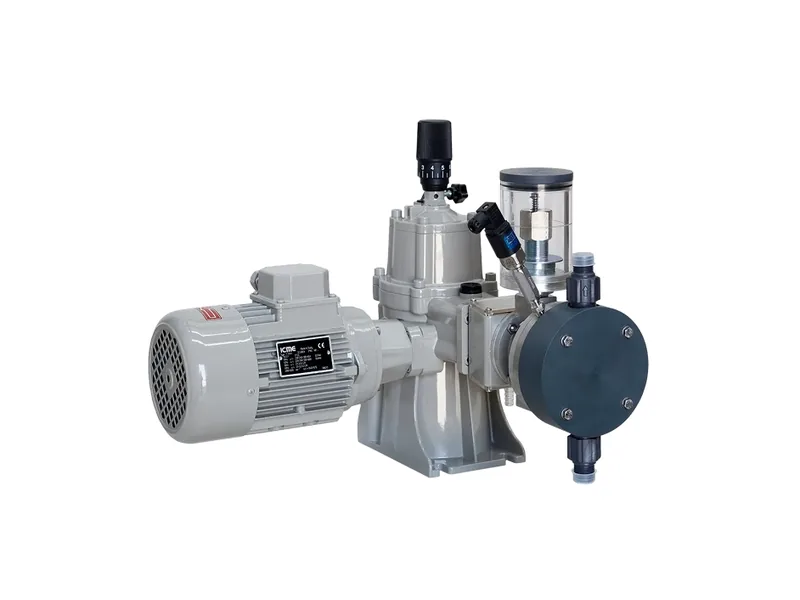
Figure 1: Doseuro positive return metering pump. Image source: Doseuro official website
- An open tank, or a mixer left running so it keeps drawing air into the liquid.
- A higher pH. Ferrous iron is more stable when the solution stays acidic.
- Long storage between batches.
- Warm weather.
The practical answer is to mix smaller batches more often and run the mixer only while dissolving. Let the batch settle, draw from the upper part of the tank, and drain the sludge from the bottom on a schedule.
Setting ferrous sulfate solution strength to avoid crystals
Solubility drops noticeably as temperature falls. A common story: a site mixes a strong batch in summer, everything runs fine, then the first cold night of winter brings crystals in the suction line and pump head, and by morning nothing is being dosed.
Set the concentration against the lowest winter temperature on site, with a margin below saturation. It is better to run a weaker solution and a larger pump than to grow crystals in the line. Outdoor tanks and pipework may also need insulation or heat tracing. The troubleshooting logic is similar to what we described for PAC crystallization and clogging.
Recalculate pump flow when strength changes
A weaker solution means more pump flow for the same chemical dose. Operators often dilute the batch and forget to change the stroke, so ferrous sulfate dosing quietly drops and nobody notices until the effluent results come back. Recalculate flow as dose divided by solution strength, then check it with a calibration column.
Impurities in technical-grade product
Byproduct ferrous sulfate often carries insoluble matter and free acid. Put a strainer on the dissolving tank outlet and a Y-strainer ahead of the pump, and clean them routinely. With a dirty batch, let it settle first and transfer only the clear liquid.
Tank layout for ferrous sulfate dosing
A typical ferrous sulfate dosing system has two stages. A mixing tank with an agitator dissolves the solids, and a day tank holds the clear solution for the pump. Separating them keeps grit and air bubbles out of the pump. Use covered PE or PP tanks to limit contact with air. For a broader look at iron salt systems, see our guide to ferric sulfate dosing system design.
Flushing: the step that prevents most clogs
The worst case for ferrous sulfate dosing is solution sitting in the pump head and discharge line after shutdown. Water evaporates, temperature falls, and crystals plus oxidized iron glue the check valves in place.
A simple flushing routine:
- Install a clean-water connection at the pump suction with a three-way valve.
- Before any planned stop, switch to water and run long enough to clear the head and line.
- For long shutdowns, drain the line after flushing.
- Before restarting, check that the valve balls move freely, then switch back to chemical.
Injection point and line details
Keep the discharge line as short and straight as the layout allows, with few dead legs where solution can sit and oxidize. Slope it so it drains back during flushing. At the injection point, iron salts can build up scale where they meet alkaline process water, so use an injection valve you can pull and clean without shutting down the main line. If ferrous sulfate dosing feeds a channel rather than a pipe, discharge above the water surface into a turbulent zone instead of running the tube under water, where it tends to plug.
Translucent tubing helps too. Operators can see sludge or crystals forming before the flow stops, which turns ferrous sulfate dosing maintenance into a routine check rather than an emergency.
Pump material for ferrous sulfate dosing
The solution used in ferrous sulfate dosing is acidic and attacks carbon steel. Liquid ends are typically PVC, PP or PVDF, with ceramic or PTFE balls. Our metering pump head and valve ball material guide compares the options.
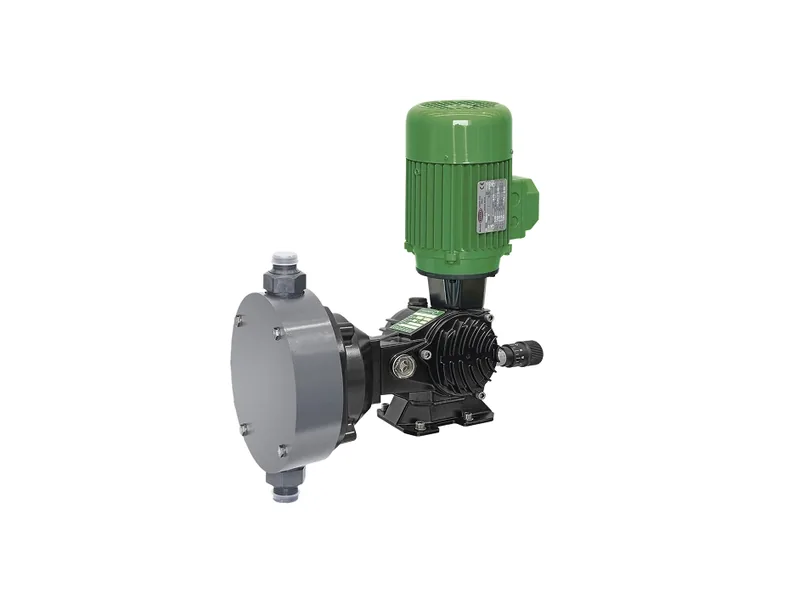
Flows for ferrous sulfate dosing are often moderate to large and continuous, so mechanical diaphragm metering pumps are common. Doseuro, the Italian brand, lists wetted materials of PVC, PP, PVDF and AISI 316L for its metering pumps, which lets you match the head to the chemical and temperature. See the Doseuro brand page and our mechanical diaphragm metering pumps.
Conclusion
Most ferrous sulfate dosing failures trace back to oxidation and crystallization. Size the solution strength for the coldest night, mix fresh and keep tanks covered, separate dissolving from storage, strain ahead of the pump, flush on every stop, and choose plastic liquid ends. Send us the dose, solution strength, minimum site temperature and line length, and contact our engineers to size the pump and skid.
FAQ
My ferrous sulfate solution turned yellow. Can I still use it?
It has partly oxidized. It will dose less effectively and the sludge can block valves, so drain it and mix a fresh batch.
Can I add acid to stabilize the solution?
A slightly acidic solution does oxidize more slowly. Confirm with your process engineer that downstream treatment can accept it.
The pump stopped delivering on a cold morning. What happened?
Usually crystals. Flush the head and line with warm water, then lower the solution strength or insulate the line.
Is a stainless steel head acceptable?
316L can be considered, but plastic heads are more common. Be cautious if the product carries chloride or free acid.
Should the dissolving tank mixer run all the time?
No. Stop it once the solids are dissolved, because constant mixing pulls in air and speeds up oxidation.