
Carbon Source Dosing With Glucose for Denitrification
Carbon source dosing with glucose feeds denitrifying bacteria when influent carbon is too low to reduce nitrate to nitrogen gas, which brings effluent total nitrogen back under the limit. Glucose is widely available and easy to meter once dissolved. It works more slowly than sodium acetate, though, and the solution ferments if it sits too long, so it needs more care in preparation and control than most treatment chemicals. This guide is written for wastewater process engineers, operators and anyone specifying a carbon dosing skid.
Does the plant really need carbon source dosing?
High total nitrogen does not automatically mean a carbon shortage. Start by looking at nitrate at the end of the anoxic zone. If nitrate is still high and the influent carbon-to-nitrogen ratio is clearly low, denitrification is starving. If anoxic nitrate is already low and total nitrogen is high because ammonia is not fully nitrified, the problem is in the aerobic stage, and carbon source dosing only wastes chemical.
A frequently missed cause is oxygen carryover. Internal recycle brings dissolved oxygen from the aeration basin into the anoxic zone, and that oxygen consumes carbon before denitrifiers can use it. Lowering DO at the end of the aerobic zone often helps more than adding chemical. See aeration basin DO control for how to set that up.
Glucose or sodium acetate?
Both are common external carbon sources. The differences come down to three points:
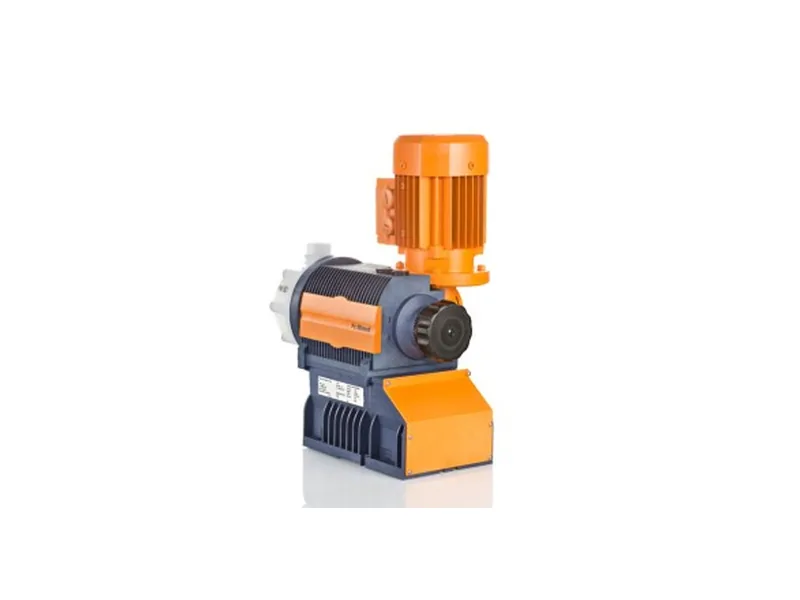
Figure 1: ProMinent Sigma/1 Basic motor-driven metering pump. Image source: ProMinent official website
- Speed: acetate is a small molecule that denitrifiers use directly, so it acts fast. Glucose has to be broken down first, so the response is slower and acclimation takes longer.
- Sludge: high glucose doses typically raise sludge yield, and some plants see filamentous bulking.
- Storage: acetate solution is stable, while glucose solution ferments.
Plants that must react quickly to nitrogen swings usually find acetate easier, as covered in sodium acetate carbon source dosing. For cost-sensitive plants with steady loads, carbon source dosing with glucose is a workable option. Supply cost depends on volume, freight and local availability, so compare products on a COD-equivalent basis. A broader overview is in wastewater treatment chemicals.
Preventing fermentation in glucose solution
A glucose tank is sugar water. Left for long, yeast and bacteria grow, the solution turns sour, bubbles and smells, and the active content drops. What works on site:
- Mix small batches more often and use them up quickly, especially in summer.
- Drain and clean the tank regularly, scrubbing out sediment and biofilm.
- Keep the tank covered and out of direct sun, since heat speeds fermentation.
Gas from fermentation also gets into the pump head and makes output unstable, much like gas binding with hypochlorite. After the carbon source dosing system has been idle for a few days, flush old solution from the lines and recalibrate with fresh batch.
Dealing with viscosity
Concentrated glucose solution is thick, especially in winter. Give the mixing tank an agitator and dissolve with warm water where possible. Upsize the suction line and use flooded suction, meaning the tank level sits above the pump inlet, to cut suction losses.
Choosing a pump for carbon source dosing
Glucose is usually dosed continuously at tens to a few hundred litres per hour, which suits motor-driven diaphragm metering pumps. The ProMinent Sigma/1 Basic, for example, is listed at 17 to 144 L/h with a multi-layer safety diaphragm and integrated relief valve, a good fit for steady, mid-range carbon feed. For viscous solutions, pick a size that runs at a lower stroke rate so the valves seat fully and accuracy holds. See our motor-driven diaphragm metering pumps and the ProMinent range.
Glucose is not very corrosive, so PVC or PP liquid ends are generally fine. Focus on clog resistance and easy cleaning instead. A suction strainer that can be opened without tools, flushing connections on the discharge side and a calibration column all make routine carbon source dosing checks quicker. On larger plants, a duty and standby pump pair keeps denitrification running while one pump is being cleaned.
Controlling glucose dose with nitrate feedback
The common approach combines feedforward and feedback:
- Feedforward: estimate carbon demand from influent flow and total nitrogen, and pace the metering pump to influent flow.
- Feedback: install an online nitrate analyzer at the end of the anoxic zone. Raise the dose when nitrate is high and trim it when nitrate is low.
Put upper and lower limits and a rate limit on the feedback loop. Glucose acts slowly and the analyzer reading lags, so aggressive tuning makes the loop oscillate. Adjust slowly rather than overdose, because surplus glucose goes straight out as effluent COD.
For carbon source dosing, inject at the anoxic zone inlet, where it mixes well with return sludge and internal recycle. Do not dose into the aerobic zone, where aeration simply oxidizes the carbon away.
Conclusion
Carbon source dosing with glucose suits plants with steady loads and tight budgets, provided you first confirm a genuine carbon shortage and fix oxygen carryover. Mix small batches to stop fermentation, size the pump for viscosity and flow, and control with flow-paced feedforward plus slow nitrate feedback. Send us influent flow, total nitrogen and your current carbon source, and contact our engineers to check your carbon dosing pump.
FAQ
Can glucose and acetate be mixed?
They can be dosed separately or switched by period, but do not mix them in one tank. Their response speeds differ, so it becomes hard to tell which one is working.
What glucose concentration should I prepare?
It depends on pump range and tank size. Too strong is viscous and slow to dissolve, too weak turns the tank over fast and ferments more, so find a balance.
Total nitrogen rose after switching to glucose. Is that normal?
There is usually an acclimation period. Blend glucose with the old carbon source for a while and shift over gradually.
Why is carbon source dosing output unstable?
Start with the tank and look for fermentation bubbles. Then look for an undersized suction line or a blocked strainer. Viscous solution makes this worse in winter.
Where should the nitrate analyzer go?
At the end of the anoxic zone, which best reflects denitrification. Clean and calibrate the probe regularly so sludge buildup does not skew the reading.