
Caustic Soda Dosing Pump: Materials, Crystals and Cold Weather
A caustic soda dosing pump is chosen on two things: wetted materials and crystallisation. Sodium hydroxide is generally kind to PP, PE and EPDM, but strong caustic crystallises when it gets cold, and it absorbs carbon dioxide from the air to form sodium carbonate. Those white deposits like to lodge between the valve ball and seat, and the symptom is a flow rate that keeps falling until nothing comes out.
This guide follows the questions we hear most from plant operators and engineers: can a standard dosing pump handle caustic, which head and seals to pick, how to stop crystals, and what matters in calibration and service. Material advice is conservative; the brand resistance chart decides.
Can any dosing pump run caustic soda?
Yes, provided the wetted parts are right. Caustic attacks aluminium and zinc and gives off hydrogen in the process, so aluminium fittings have no place in the pump or line. Hot strong alkali also slowly etches glass.
Trouble usually starts when an acid pump is borrowed as a caustic soda dosing pump. PVDF and FKM, common on acid duty, can be attacked by hot, strong alkali. Cool, dilute caustic is a different matter, but for concentrated or warm duty, check the chart first.
Heads and seals for a caustic soda dosing pump
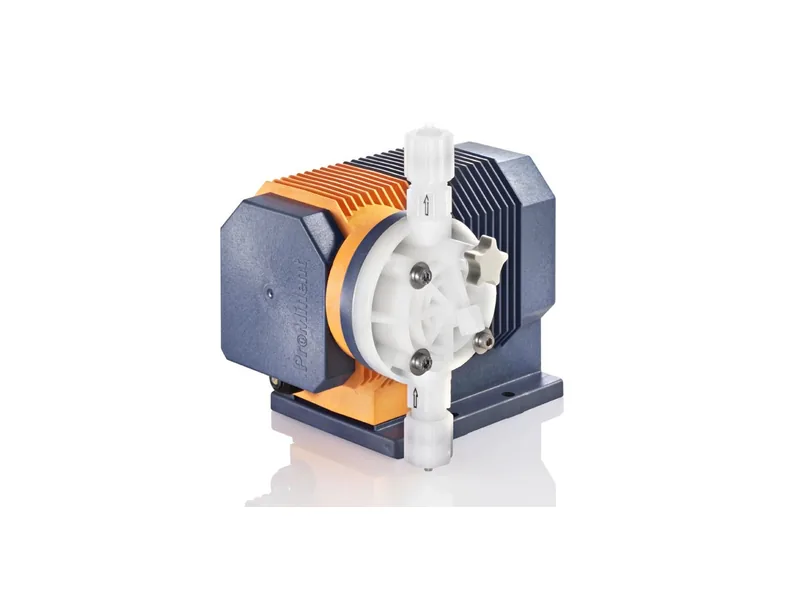
The ProMinent alpha motor-driven pump is offered with PPE, PPB, NPE, NPB and PVT material versions. PPE means a PP head and connector, EPDM seat and seals, and ceramic balls, and that PP plus EPDM pairing is a familiar choice on caustic.
As a general guide:
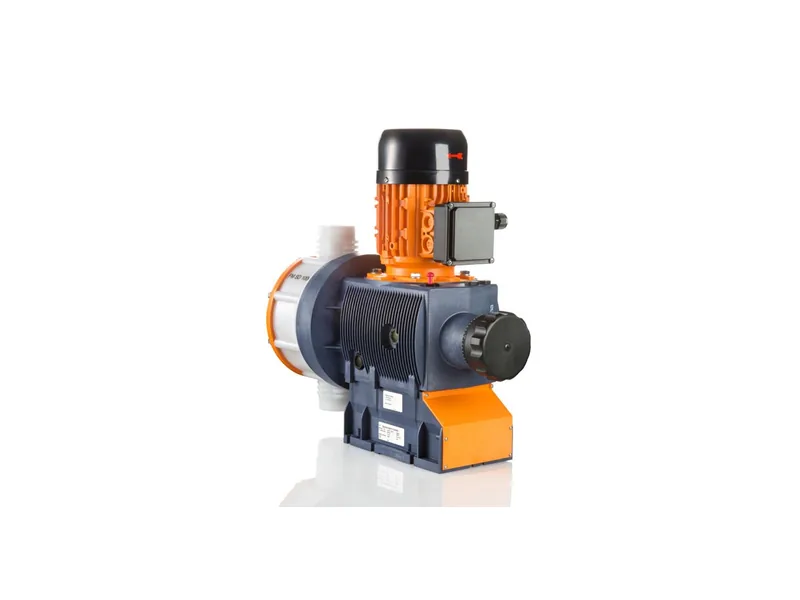
Figure 1: ProMinent Sigma/2 basic metering pump. Image source: ProMinent official website
- Caustic at ambient temperature: PP or PE heads with EPDM seals are usually the cost-effective option.
- Higher temperature or pressure: stainless heads are often used, with the hot limit confirmed on the chart.
- Balls: ceramic is common. ProMinent Sigma/2 basic documentation lists both ceramic and glass balls; avoid glass on strong caustic.
FKM seals on strong caustic need caution, and suitability depends on strength and temperature. The alpha also has spring-loaded valves, which the official page says suit higher viscosity media, helpful with caustic around 50%. See our ProMinent alpha overview and ProMinent Sigma/2 overview.
Crystals are the main enemy of a caustic soda dosing pump
The crystallisation temperature of sodium hydroxide depends heavily on concentration. Caustic around 50% can start to crystallise in the low to mid teens °C, while weaker grades crystallise at much lower temperatures. That is why many water and power plants in cold regions switch to a weaker grade in winter or heat trace the lines.
Crystals form first where flow is slowest and temperature lowest. Typical spots are an outdoor suction line, the valve chambers of the head, and a standby pump that has not run for weeks. Once a crystal sits between ball and seat, the valve cannot close and output drops.
Ways to prevent it:
- Insulate and heat trace the tank and lines, keeping a margin above the crystallisation point.
- Keep the suction line short to limit cold sections.
- Flush the head and lines with water before a long shutdown.
- Where you can choose, use a grade with a lower crystallisation point in winter.
A standby caustic soda dosing pump deserves special attention. Run it for a short period every week or so, or flush it with water, so caustic does not sit still in the valve chambers and set hard.
Our winter dosing antifreeze guide covers general cold weather measures.
Sodium carbonate scale
Caustic exposed to air picks up carbon dioxide and forms sodium carbonate. The white powder or crust found at tank vents, weeping joints and the pump head is usually this.
Treat it like cold crystals: stop the pump, release pressure, and dissolve the deposit with warm water. Do not pry the ball out, or you may scratch the seat. A CO2 absorber on the tank vent reduces the scaling. For how seats and balls fit together, see our diaphragm pump check valve structure guide.
The same "stuck valve, no flow" pattern appears with PAC dosing, and the troubleshooting logic is similar; read PAC dosing not pumping.
Viscosity, heat and calibration of a caustic soda dosing pump
Strong caustic is denser and more viscous than water, so calibrate the caustic soda dosing pump on the real fluid. A pump set up on water typically delivers noticeably less once it is switched to caustic.
Dissolving sodium hydroxide releases heat. If you dilute on site, add caustic slowly to water while stirring, take extra care when making up solution from flakes, and let it cool to ambient before it reaches the pump.
Safety
Caustic burns are often more deceptive than acid burns, with little pain at first and damage found later. Before servicing a caustic soda dosing pump, release pressure, drain the head, and wear goggles or a face shield and alkali-resistant gloves. Put a drip tray under the head and an eyewash station nearby.
Conclusion
A caustic soda dosing pump has to solve materials and crystals together. PP or PE with EPDM is the familiar material set, stainless suits higher temperature or pressure, and FKM, PVDF and glass balls need a chart check. Crystals are handled with heat tracing, short suction lines, flushing before shutdown and a sensible grade. Browse our diaphragm metering pumps, then send concentration, temperature, flow and site conditions to contact our engineers.
FAQ
Can a standard dosing pump handle caustic soda?
Yes, if the head, seals and balls are caustic resistant. When an acid pump is reused, the seals are often the weak point.
Why does my caustic soda dosing pump keep losing flow?
Usually crystals or carbonate scale on the valve seats. Stop, release pressure and flush with warm water.
Can glass balls be used in a caustic soda dosing pump?
Generally not recommended. Strong alkali slowly attacks glass, so ceramic balls are more common.
Do caustic lines need heat tracing in winter?
Strong grades usually do. Caustic around 50% can crystallise in the low to mid teens °C.
What should be done before shutting down a caustic pump?
Flush the head and lines with water and drain them. Rotate standby pumps so caustic does not sit in the valves.