
COD Removal Chemical Limits: What Coagulation and Oxidation Miss
A COD removal chemical will not drive every organic number down just because you open the pump stroke. Coagulant-type products take out colloids, emulsified oil and some insoluble organics. Oxidant-type products attack a share of the oxidizable COD. Dissolved, structurally stable organics often sit through both, and more chemical mainly makes sludge or leftover oxidant. This is for process and plant operators, and for engineers sizing the feed system. Fenton equipment design and online COD analyzer selection have their own articles; this one stays on how to dose a COD removal chemical and where it stops working.
How to dose a COD removal chemical: two families
On the plant floor, a COD removal chemical usually falls into two families. Coagulant types use charge neutralization and sweep floc to pull settleable organics and colloids out of the water. They need mixing and residence time, and a polymer is often added downstream. Oxidant types break or mineralize part of the organic load; they need contact time and the right pH, and some are used with a catalyst or ferrous iron. In both cases, start with a jar test and then flow-pace the pump. Do not lock a stroke from a rule of thumb.
Do not put a COD removal chemical in the same nozzle as PAC or polymer. A coagulant-type agent needs its own reaction time; an oxidant must not share an unflushed line with a reductant or with polymer. If the order is wrong, you usually see pin floc, or the oxidant is consumed by the wrong demand, and effluent COD barely moves.
Plant-wide trains differ by industry. For a dyeing plant see textile dyeing wastewater dosing; for coking wastewater see coking wastewater dosing. This article stays on the COD removal chemical itself.
What a COD removal chemical cannot solve
These loads rarely yield to more chemical:
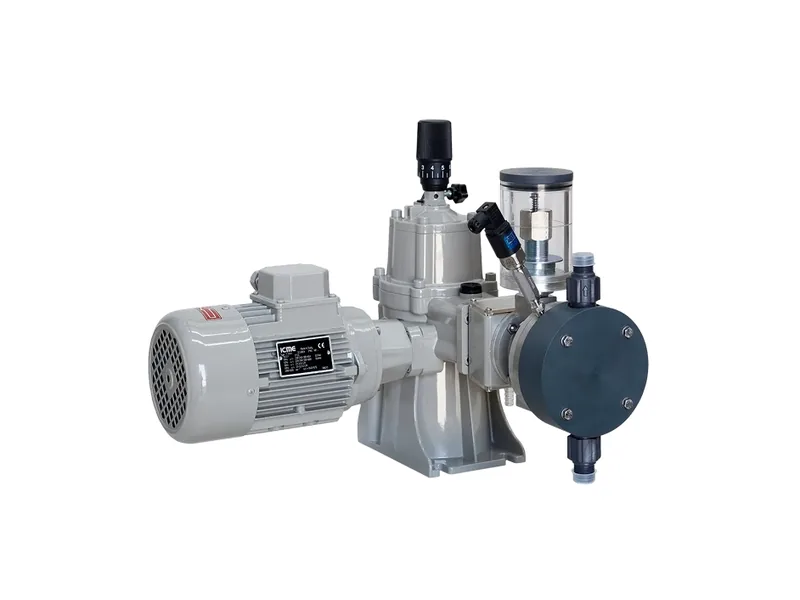
Figure 1: Doseuro positive-return mechanical diaphragm pump. Image source: Doseuro official website
- Small, highly soluble organics that will not flocculate. More coagulant mainly makes sludge.
- Recalcitrant structures that a common oxidant cannot break at a practical dose.
- A lab COD that is inflated by dissolved salts or inorganic reductants. A COD removal chemical will not fix the wrong diagnosis.
When you are in that territory, do not keep opening the stroke. Ask whether the biology is missing a condition, or whether a deeper oxidation process such as Fenton or ozone is justified; see Fenton and ozone oxidation dosing. An online analyzer is useful for trend, but it lags and can be disturbed; online COD analyzer selection covers the instrument. A drifting reading should not lock the pump on its own.
How to tell if the dose is doing any work
Judge a COD removal chemical by more than the effluent COD number. A sudden jump in sludge or chemical use with almost no change in COD usually means you are past a useful dose, or you are hitting the fraction the agent cannot touch. Pin floc or a floating blanket is more often a mixing, polymer or sludge-withdrawal issue. For oxidants, also check leftover oxidant and whether pH has left the window. Lab work should split soluble COD from total COD, and, when needed, compare biodegradability before and after the dose, so you do not treat a hard residual as "not enough chemical."
When the inlet swings, flow-paced dosing is more stable than a fixed stroke. A short extra dose in a shock is reasonable, but return to the jar-test range quickly so the clarifier is not overloaded. In cold weather both coagulation and oxidation slow down. Do not try to "make up for temperature" with a much larger COD removal chemical dose; hold mixing, residence time and the pH window first.
Pumps, piping and safety
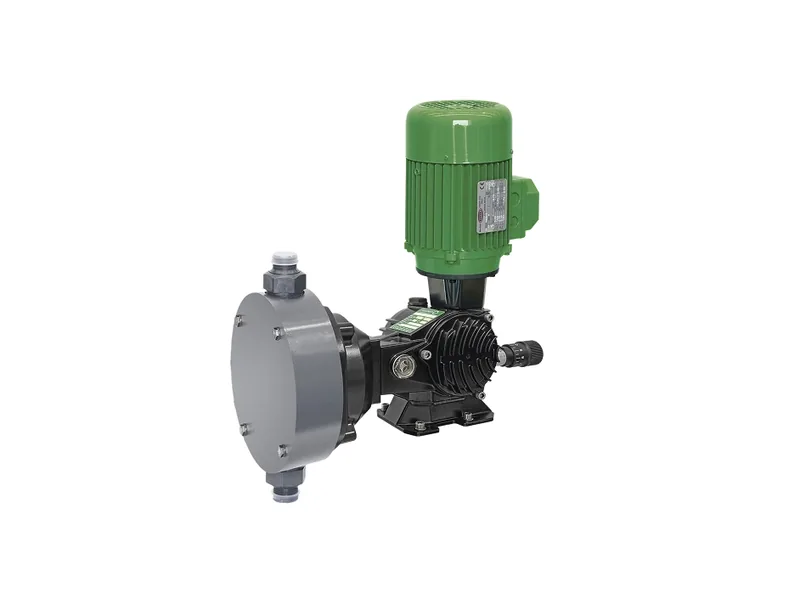
Most coagulant-type agents are corrosive; some iron salts crystallize and stain. Oxidants can gas and attack seals. Metering pump heads that see these chemicals are commonly PVC, PP or PVDF, with valve balls and seals checked against the actual reagent. Doseuro spring-return or positive-return mechanical diaphragm pumps are often used on these clear liquids. Keep oxidant lines short, provide degassing, and never share an unflushed line with a reductant or polymer. Flush the head and discharge with clean water before a long stop.
Strong oxidants and acidic iron salts can burn. Depressurize and flush before you open a pump, wear protection, and keep the dosing room ventilated. If residual oxidant leaves the reaction tank, plan a quench step so the discharge and any downstream biology are not hit by leftover oxidant. That quench is part of the COD removal chemical system, not an afterthought once the residual is already high. Send the chemical name, concentration, temperature, flow and pressure and contact us for selection to match the head and the control. The Doseuro brand page outlines the mechanical diaphragm range.
Conclusion
A COD removal chemical can take out the fraction you can coagulate or oxidize. Dissolved, recalcitrant organics often remain, and that residual belongs in a biological step or a deeper oxidation process. Split the agent type first, use jar tests and soluble COD to judge the result, and treat overdosing as extra sludge and leftover oxidant, not as a path to a lower number. Have the COD makeup, the discharge limit, the existing feed points and the flow ready, and contact us for selection.
FAQ
Can a larger COD removal chemical dose always drive COD lower?
No. Once you have passed the coagulate-or-oxidize range, extra chemical barely moves COD and mainly raises sludge or leftover oxidant. Check the agent type, pH and the form of the COD before you open the stroke.
Can coagulant-type and oxidant-type agents be used together?
Yes, but at separate points and with time in between. Oxidize then coagulate, or coagulate away some solids then oxidize; a jar test should set the order. Do not put both into the same nozzle.
Can a COD removal chemical replace a biological plant?
Usually not on a continuous, biodegradable high-COD stream. The chemical fits as pretreatment or as a polish, not as a long-term substitute for biology.
Why does the COD analyzer barely move after we dose?
You may have hit the dissolved, recalcitrant fraction, or the instrument may be lagging or disturbed. Check against a lab sample, split total and soluble COD, then decide whether the process should change.
Is Fenton just another COD removal chemical?
Fenton is a process, not a single drum poured into a tank. Acid, ferrous iron, peroxide and the reaction conditions have to be managed together. See the Fenton article rather than treating it like a standard COD removal chemical.