
Decolorizing Flocculant vs PAC: When You Can Skip a Specialty Agent
A decolorizing flocculant is often ordered the moment someone sees color in the effluent, but it is not a stronger grade of PAC. PAC is a coagulant. It can take out colloids, disperse dyes and a share of insoluble color. A dicyandiamide-formaldehyde resin, the usual decolorizing flocculant on the market, is aimed at dyes that are already dissolved, especially reactive, acid and direct dyes. This is for process and plant operators in dyeing and wastewater plants, and for engineers sizing the feed system. The full dyeing-plant train has its own article; this one stays on how the two chemicals differ.
Decolorizing flocculant vs PAC: what actually differs
PAC's job is to destabilize colloids and form floc. Disperse dyes, insoluble pigments and color that rides with suspended solids often drop a long way once coagulation is done well. Soluble dyes, especially reactive and acid dyes, are small and charged. Ordinary PAC often cannot flocculate them, so the water stays tinted. Stacking more PAC then raises sludge much faster than it cuts true color.
A decolorizing flocculant, commonly a cationic dicyandiamide-formaldehyde resin, pulls those soluble dyes out by charge neutralization, bridging and precipitation. It is not a substitute for a coagulant, and it is not "PAC, only stronger." A PFS-versus-PAC choice is a coagulant-to-coagulant comparison; see PFS vs PAC coagulant selection. Do not mix that question up with a decolorizing flocculant. Liquid versus solid PAC is only a form issue, covered in liquid vs solid PAC. Most decolorizing flocculant products ship as liquids and can be more viscous than PAC, so dilution and suction piping need a separate look.
When you can skip a decolorizing flocculant
A practical decolorizing flocculant decision follows the source of the color and the discharge limit:
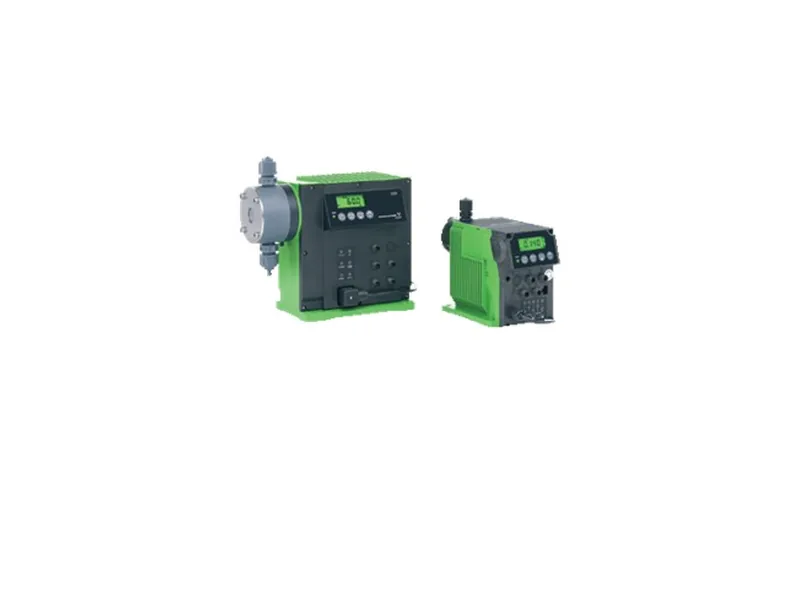
Figure 1: Grundfos DDI digital diaphragm pump. Image source: Grundfos official website
- Color comes mainly from suspended solids, disperse dye or insoluble pigment, and you already dose PAC: fix the PAC feed point, pH and polymer sequence first. A specialty agent is often unnecessary.
- The effluent still shows true soluble color after a large PAC dose, and sludge has already climbed: then evaluate a decolorizing flocculant.
- Reactive or acid dyes dominate, or reuse has a tight color limit: put a decolorizing flocculant into the jar-test plan from the start, rather than stacking PAC.
The wider dyeing-plant sequence is in textile dyeing wastewater dosing. This article only covers how a decolorizing flocculant and PAC should share the work.
How to feed both chemicals if you need them
If you use a decolorizing flocculant and PAC together, do not put both into the same nozzle. The decolorizing flocculant needs time to react and form solids; PAC and polymer bind those fines, and the original colloids, into a settleable floc. A common order is to dose the decolorizing flocculant in a mix zone, allow residence time, then add PAC or polymer. Some plants coagulate first to drop turbidity and insoluble color, then add the specialty agent downstream. A jar test should decide which order wins; do not copy another shop. General timing for coagulant and polymer is in PAC and PAM dosing sequence.
The pH windows may not match. A dicyandiamide-type decolorizing flocculant and PAC each have a preferred range. One shared pH setpoint often leaves coagulation looking fine while color removal is off. Split the control if you can.
What to watch besides apparent color
A decolorizing flocculant dose is easy to misread if you only watch effluent color. A sudden jump in sludge or chemical cost with almost no change in color usually means you are past a useful dose, or you are hitting a color type this agent does not handle. Pin floc or a floating blanket is more often a mixing, polymer or sludge-withdrawal issue. Look at true soluble color as well as apparent color, so unfiltered turbidity is not mistaken for "color that will not go."
Some decolorizing flocculant grades are viscous and irritating. Use clean dilution water, and do not make the day-tank so strong that the pump cannot draw it. When the inlet swings, flow-paced dosing is more stable than a fixed stroke.
Pumps and safety
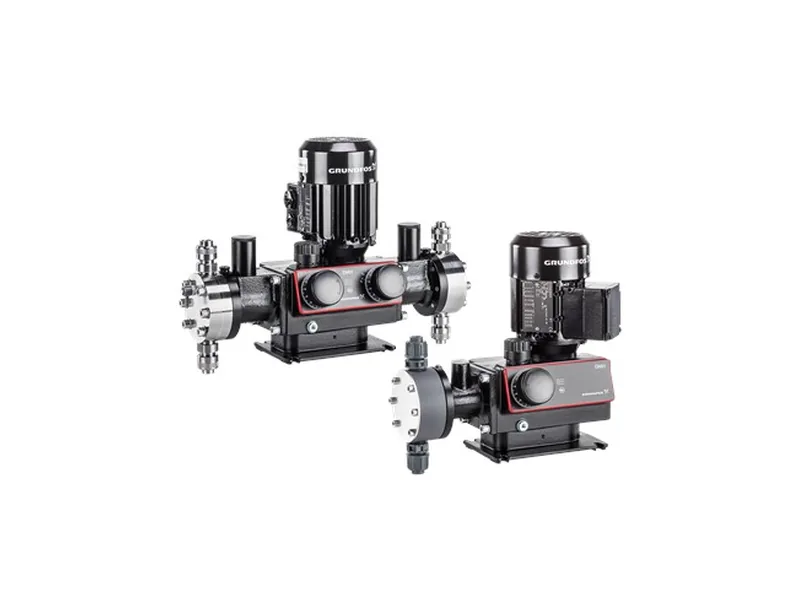
PAC and most liquid decolorizing flocculant products are corrosive; some grades are fairly viscous. Metering pump heads that see these chemicals are commonly PVC, PP or PVDF, with seals and valve balls checked against the actual reagent. Grundfos DMH hydraulic diaphragm pumps, or a digital diaphragm pump, are often used on these clear or slightly viscous liquids. Keep the suction line short and a little larger in diameter when viscosity is high, and flush with clean water before a long stop so resin does not film the valves. Do not share an unflushed line with acid, caustic or an oxidant.
Dicyandiamide-formaldehyde products can irritate skin and airways. Depressurize and flush before you open a pump, wear protection, and keep the dosing room ventilated. Send the chemical name, concentration, temperature, viscosity, flow and pressure and contact us for selection to match the head and the control. The Grundfos brand page outlines the diaphragm metering range.
Conclusion
A decolorizing flocculant and PAC are aimed at different targets. PAC coagulates and can take out some insoluble or disperse color; a decolorizing flocculant is for soluble dyes. If you already dose PAC and the color is mostly turbidity and disperse dye, get the coagulant right before you add another drum. When both are used, separate the injection points and judge the result by color type, sludge and floc together. Have the color type, the discharge limit, the existing feed points and the flow ready, and contact us for selection.
FAQ
Is a decolorizing flocculant always better than PAC at removing color?
No. Insoluble or disperse color often yields to PAC alone. Soluble reactive and acid dyes are where a decolorizing flocculant usually fits. Start with the color type and a jar test, not with a blanket rule.
Can we dose only a decolorizing flocculant and skip PAC?
If turbidity is already low and almost all the color is truly soluble, you can trial the specialty agent plus polymer. On a turbid inlet, PAC is usually still needed so the fine solids will settle.
Can both chemicals be injected at the same point?
It is a poor idea. Reaction time and mixing intensity differ, and the floc is harder to form. Dose at separate points and leave residence time in between.
Why is the effluent still yellow after a large decolorizing flocculant dose?
The color type may be a poor match, or pH and mixing may be off, or the floc may have worsened after an overdose. Run a jar test and split the color type before you raise the stroke again.
What if a viscous decolorizing flocculant will not draw into the pump?
Check whether the made-up strength is too high, whether the suction line is too long or too small, and whether a resin film has blocked the strainer. Dilute a little, shorten the suction run and flush at shutdown before you reach for a larger pump.