
Chemical Incoming Inspection: Certificates, Strength and Samples
Chemical incoming inspection is the check you do when a reagent arrives, before it is put into a day tank. It is not an unloading procedure, and it is not a consumption log. You are confirming the certificate and the batch paperwork, the package and the appearance, the active strength, and a retained sample from that batch. If the strength does not match the label, the metering pump will deliver the wrong dose even if the stroke has not changed. Unloading and refill steps are in chemical unloading and tank refill. This article stays on how chemical incoming inspection should be done.
Which documents to match first in chemical incoming inspection
Match the paperwork before you open a drum or a bag. At a minimum, the name, the grade, the batch, the production or expiry date, and a certificate or test report should agree with the goods. Hazardous chemicals also need the matching safety information and markings. If the name does not match, the batch is missing, the goods are expired, or the certificate does not belong to the physical lot, stop. Do not pour first and discuss later.
If one delivery contains several batches, inspect each batch. Do not let a single drum stand for the whole load. Concentrations, solids, available chlorine or charge density agreed in the order should be compared with the certificate. Any mismatch is a reason to sample and, if required, to send the sample to a lab. Chemical incoming inspection can look like "just paperwork." Many dosing errors start here, when the batch and the strength were never checked.
Appearance and samples in chemical incoming inspection
The package should be intact: no leaking drums, no torn bags, seals in place, labels still on the container. For liquids, look at colour, turbidity, layering, sediment or crystals. For solids, look for caking, moisture and foreign matter. If the product already looks spoiled, it is not a passing lot for the tank. Wear protection when you open a container to sample, especially on strong acids and alkalis, hypochlorite and dusty powders.
Take the sample by batch, from a point that represents that batch, close it at once, and label it with the chemical name, the batch, the date and the person who took it. Store it under the conditions the reagent needs: some lots need darkness, some cannot sit in heat, some cannot sit next to an oxidant. Storage practice is in chemical storage for dosing. A retained sample is not a formality. If dosing results suddenly change, or a pump calibration no longer matches, you often need that sample to see whether the batch changed. In chemical incoming inspection, the retained sample and the appearance check should be finished together. Do not empty the delivery and then try to build a sample from what is left.
How strength checks in chemical incoming inspection affect dose
Active strength is the part of chemical incoming inspection that is most often skipped. A number on a certificate does not prove the delivery still has that number. Simple on-site checks, such as density, a basic titration or a refractometer reading, can be done first. Tests that need a laboratory should be sent out under the site procedure. Do not replace a strength check with "it smells about right." If the field result and the certificate or the contract are clearly apart, isolate the batch. Do not dilute it into a day tank.
If the strength is low, the make-down calculation and the pump stroke will both under-dose. If the strength is high, you may overfeed, with more corrosion, crystals or a residual in the effluent. Dilution calculations are in chemical dilution calculation, but those sums only hold after the strength is known. Chemical incoming inspection that has not passed makes the make-down formula meaningless. Fill the tank only after the lot has passed, on the planned cycle, rather than pouring untested concentrate in to occupy the tank.
Do not mix reagents on the inspection table or share sampling tools between incompatible chemicals. Compatibility is covered in chemical compatibility in dosing lines. Rinse and store scoops and cylinders separately, so ferric does not end up in a polymer sample, or acid in a hypochlorite container.
Run chemical incoming inspection in this order:
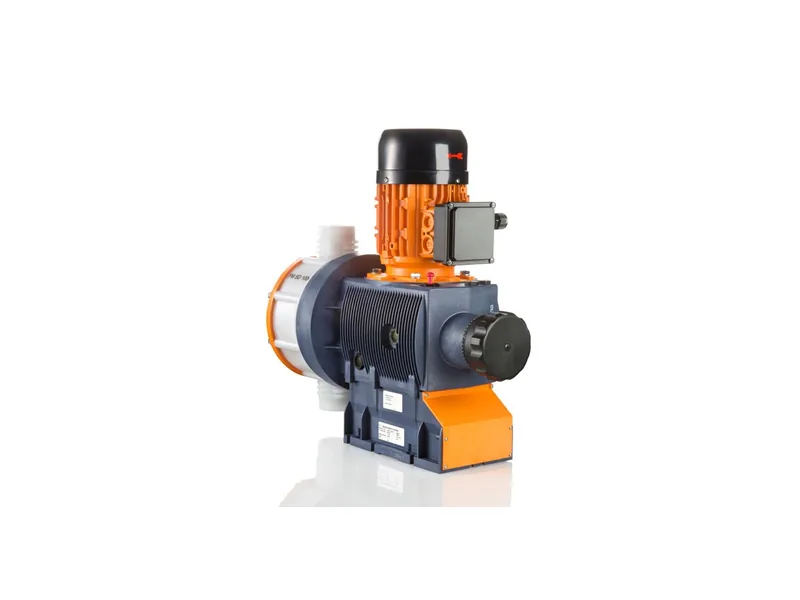
Figure 1: ProMinent Sigma 2 motor-driven diaphragm metering pump. Image source: ProMinent official website
- Match the certificate, the batch, the expiry date and the name on the goods.
- Check the package and the appearance, then take a retained sample and label it by batch.
- Check the active strength, and isolate any lot that is clearly off. Do not fill the tank.
- Record the result, and only then release the lot to a day tank or a store location.
How chemical incoming inspection hands off to the pump
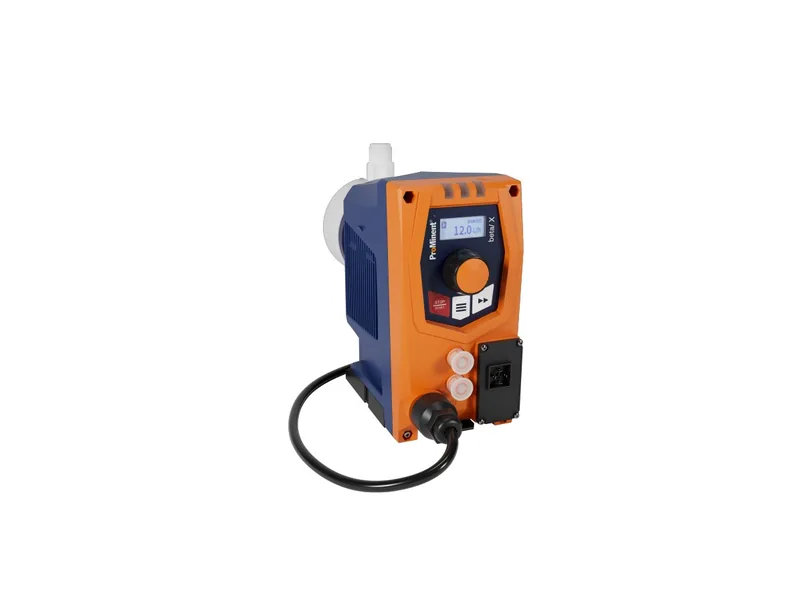
Only a lot that has passed should be transferred into a day tank or a dosing skid. ProMinent beta/X solenoid diaphragm pumps and Sigma 2 motor-driven diaphragm pumps are a common choice for continuous liquid feed once the chemical is accepted. Still check the wet-end material against this batch; do not assume last month's reagent is the same. Product pages are on ProMinent. Send the chemical type, the delivered strength and the day-tank arrangement, and we can check the pump selection.
After a new batch enters the tank, recalibrate the pump with a graduated cylinder or a scale. If the strength or the viscosity has changed, yesterday's stroke may no longer be yesterday's dose. Records from chemical incoming inspection should still show the batch and the strength, so a later investigation has something to follow.
Conclusion
Chemical incoming inspection has to be finished before the tank is filled: the paperwork and the batch must match, the package and the appearance must be sound, a retained sample must be taken, and the active strength must be checked. A failed lot stays out of the day tank, and a pump should not be left on an old stroke when the strength is unknown. Send the incoming chemical, the planned make-down strength and the pump materials, and we can review the metering pump and the make-down conditions.
FAQ
If we already have a certificate, can we skip chemical incoming inspection?
No. A certificate describes the product at the time it left the plant. Transport, storage and a mixed-up batch can all change what arrived. Appearance, a retained sample and a strength check are still required.
We cannot run a precise lab test on site. How do we check strength during chemical incoming inspection?
Do the simple checks you can do, and send out the tests that need a laboratory, as the site procedure requires. Isolate the batch until the result is back. Do not let a day tank be filled on a guess.
How long should a retained sample be kept?
Follow the plant procedure and the needs of the chemical. This article does not set a single number of days. What matters is a complete label, the right storage conditions, and the ability to retrieve the sample if a dispute or a dosing upset appears.
Can several batches be mixed in one day tank and then inspected?
We do not recommend it. Once they are mixed, you cannot trace a result to one batch, and the strength cannot be tied to a single lot. Inspect and release each batch, or keep them clearly separated.
Can we unload part of the delivery into the tank so the pump can start before inspection is finished?
No. If chemical incoming inspection is still open and the lot later fails, the whole tank may be contaminated, and cleaning plus downtime cost more than waiting. Finish the inspection, then unload into the tank.