
Fenton Process Dosing vs Ozone Oxidation: Chemicals and Equipment
The Fenton process is a sequence of dosing steps rather than a single chemical feed. Wastewater is acidified, ferrous sulfate and hydrogen peroxide are added so they generate highly reactive hydroxyl radicals, then pH is raised again so the iron forms floc and settles out. Catalytic ozone oxidation is also an advanced oxidation process, but it uses almost no liquid chemicals and relies on an ozone generator and a catalyst bed instead. The two are often compared, so this article sets out the differences from the chemical dosing and equipment side.
Where each process fits
Both are used to polish wastewater that still contains refractory organics after biological treatment, for example effluent from chemical, pharmaceutical, textile dyeing and coking plants. The aim is to cut residual COD, color and toxicity.
The Fenton process is efficient and mechanically simple, and suits moderate flows with relatively high COD. Its drawbacks are the large amounts of acid and caustic it consumes and the iron sludge it produces, so chemical and sludge disposal costs add up. Catalytic ozone oxidation produces no chemical sludge and adds no salt, which suits large flows with lower COD, but ozone generation is power-hungry and ozone utilization depends heavily on reactor design.
Dosing sequence in the Fenton process
A typical Fenton process train doses in this order:
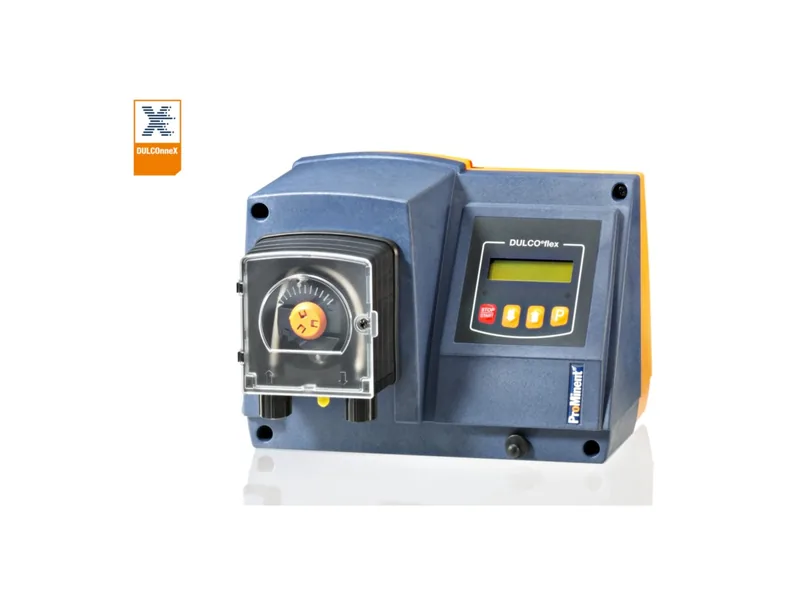
Figure 1: ProMinent DULCOFLEX DF4a peristaltic metering pump. Image source: ProMinent official website
- Acidification: sulfuric acid brings pH down, usually to around 3–4.
- Ferrous sulfate: added to the acidified water in a reaction tank or pipe and mixed well.
- Hydrogen peroxide: added after the iron, entering the oxidation tank with enough reaction time.
- Neutralization: caustic raises pH once the reaction is complete so iron forms ferric hydroxide floc.
- Coagulation and settling: a little polymer, then a clarifier to separate the iron sludge.
Both the acidification and neutralization steps need pH-paced dosing, set up as in an online pH control dosing system.
Setting the Fenton process reagent ratio
The question asked most often is what ratio of peroxide to iron to use. There is no universal figure; it depends on COD, the type of organics and reaction pH, so it has to come from bench testing. A common approach is to fix the pH, find a suitable peroxide dose, then vary the iron to peroxide ratio while comparing COD removal and residual peroxide.
More peroxide is not automatically better. Excess hydrogen peroxide scavenges radicals, remains in the effluent where it interferes with COD tests, and can upset downstream biology. Excess iron simply makes more sludge.
Adding peroxide in stages usually gives better utilization than a single dose. Allow enough residence time in the reactor and check residual peroxide before the water leaves the Fenton process.
Equipment and pumps for the Fenton process
Five chemicals are involved: sulfuric acid, ferrous sulfate, hydrogen peroxide, caustic and polymer.
- Hydrogen peroxide decomposes and releases gas, so pump heads gas-lock easily. Use a head with a degassing valve or a peristaltic pump, with oxidation-resistant wetted parts such as PVDF or PTFE, and never iron or carbon steel.
- Ferrous sulfate solution oxidizes and crystallizes. Keep the make-up tank covered, use the batch promptly and make sure lines can be flushed.
- Sulfuric acid and caustic are paced by pH; check head and pipe materials for concentrated acid.
The ProMinent DULCOFLEX DF4a peristaltic pump handles gassing fluids well and is worth considering for small peroxide doses; see the ProMinent brand page and the peristaltic pump category. Storage and room safety for peroxide are covered in hydrogen peroxide dosing room safety.
Feeding ozone in catalytic oxidation
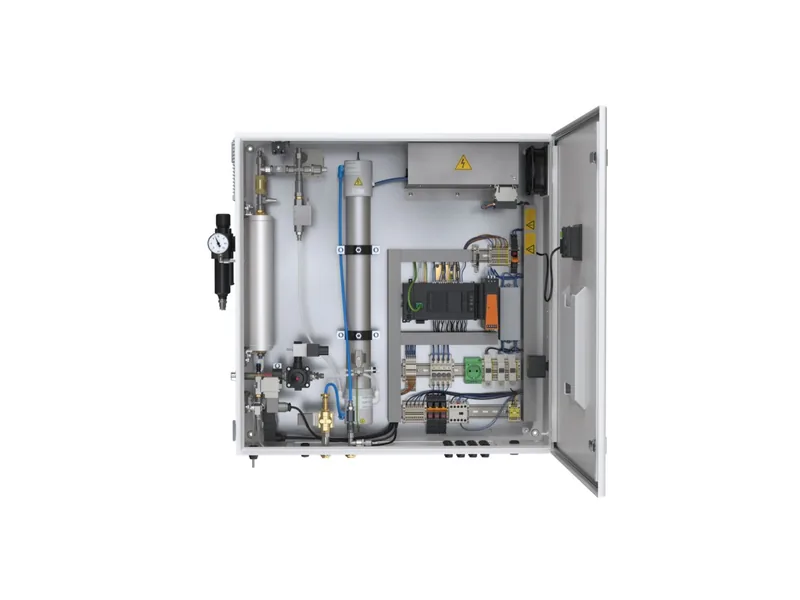
In catalytic ozone oxidation the main "chemical" is ozone. A generator produces it from oxygen or air, diffusers or an injector deliver it into a reactor packed with catalyst, and unreacted ozone leaves in the off-gas through an ozone destruct unit. Dose is set from influent COD and ozone utilization, often guided by dissolved ozone or off-gas ozone readings. The ProMinent OZONFILT OZVb is one example of an ozone generation system. Monitoring options are covered in dissolved ozone monitoring.
Some ozone systems still adjust pH upstream, or add a small peroxide dose to run a combined ozone and peroxide process, in which case peroxide handling is much like in the Fenton process.
Common problems with both processes
The issues that come up most often:
- Effluent COD rising after the Fenton process: residual peroxide is distorting the COD test. Measure and remove it before discharge.
- Too much iron sludge: iron overdosed or neutralization poorly controlled. Optimize the ratio and consider recycling iron sludge.
- Peroxide pump gas-locking: no degassing head, a long suction line or a warm storage tank.
- Ozone in the off-gas above limits: dose too high or poor mass transfer; inspect the destruct unit regularly.
Hydrogen peroxide is a strong oxidizer, sulfuric acid is highly corrosive and ozone is toxic. Ventilate dosing rooms, provide PPE and leak detection, and stop and depressurize equipment before maintenance.
Conclusion
Lay out the Fenton process as acid, iron, peroxide, neutralization and coagulation, set the reagent ratio by bench testing, and add peroxide in stages with gas-tolerant pumps and checks for residual. Catalytic ozone oxidation needs almost no liquid chemicals; its focus is the generator, the contact method and off-gas treatment. Fenton is common for moderate flows with high COD, ozone for larger flows where sludge must be avoided. Send your flow, COD and treatment targets through the contact page and we will review the dosing setup for either process.
FAQ
Why does the Fenton process need acidic pH?
The reaction works best under acidic conditions. At higher pH the iron precipitates and peroxide decomposes faster.
In the Fenton process, which goes in first?
Iron usually goes in first and is mixed before peroxide is added, so the two meet evenly in the reactor.
What pump suits hydrogen peroxide?
A diaphragm pump with automatic degassing or a peristaltic pump, with PVDF, PTFE or similar oxidation-resistant wetted parts.
Does ozone oxidation need chemical dosing?
Mostly no; ozone does the work. Combined processes add a little peroxide, and some plants adjust pH upstream.
Why raise pH at the end of the Fenton process?
Near-neutral pH lets the iron form floc and settle, and brings the effluent into range for downstream treatment or discharge.