
Closed Loop Cooling: Slug Dose or Continuous Inhibitor Feed
Closed loop cooling operators are often asked a single question: should the corrosion inhibitor be poured in once, or should a metering pump feed it all the time? The answer depends on whether the system leaks and how much makeup it takes. A closed chilled-water loop or a closed process cooler normally takes very little makeup, so the inhibitor is consumed slowly. Once a flange, a coil or a makeup valve starts to leak, the chemical is diluted and a slug dose falls below a useful residual between visits. This article is only about choosing a slug dose or a continuous feed for a closed-circuit inhibitor. It is not a data-center water-treatment overview, and it is not about closed-loop control in the instrumentation sense.
Start closed loop cooling decisions with makeup and leakage
A closed system recirculates the same volume through pipework and exchangers, with the aim of keeping air and fresh makeup — and the corrosion they bring — to a minimum. The inhibitor has to hold a residual so it can work on the metal surface. When that residual disappears, corrosion often starts first in coils and heads that are hard to inspect. The choice between a slug and a continuous feed starts with two facts: daily makeup, and whether the system holds pressure.
Little makeup and a stable pressure mean the closed loop cooling system is tight. After the first fill, or after a major refill, a slug dose followed by top-ups on a sampling schedule is usually enough. Daily makeup, a header tank that keeps refilling, or a falling pressure means leakage or a drain. Closed loop cooling in that state cannot live on a drum poured every few months. The residual will have a gap. Switch to a continuous dose paced to makeup.
Corrosion coupons or an online corrosion-rate reading can confirm the result, but they do not replace a residual test. How coupons sit next to a dosing program is covered in cooling-water corrosion coupons. How to read a trend on an online probe is covered in online corrosion monitoring. If you only look at a coupon after the residual has already gone, you are often late.
When a slug dose is the right closed loop cooling method
A slug dose fits a tight system, a slow chemical consumption, and a site that will sample on a schedule. After fill or a water change, calculate the dose from the system volume and the target residual, add it slowly through the expansion tank or a dedicated charging point, let the circulating pump mix it, then sample. Do not dump a whole drum into a local high point and leave a concentrated pocket.
Later top-ups follow the residual test. If the residual is stable, the interval can be stretched. If every sample is a step lower, the system is leaking or fresh metal is consuming chemical, and you should ask whether continuous feed is now the better method. Continuous injection on a long pipeline, described in corrosion inhibitor injection for pipelines, is a related idea, but a closed loop cooling volume and residence time are not the same as a cross-country line, so the dose and the interval should not be copied.
A slug dose also has limits. If nobody samples, you do not know whether the residual is still there. If a leak opens between two samples, corrosion has already started. A slug dose is not a way to avoid a metering pump. It is a simple feed method that you buy with a sampling discipline.
When closed loop cooling should switch to continuous feed
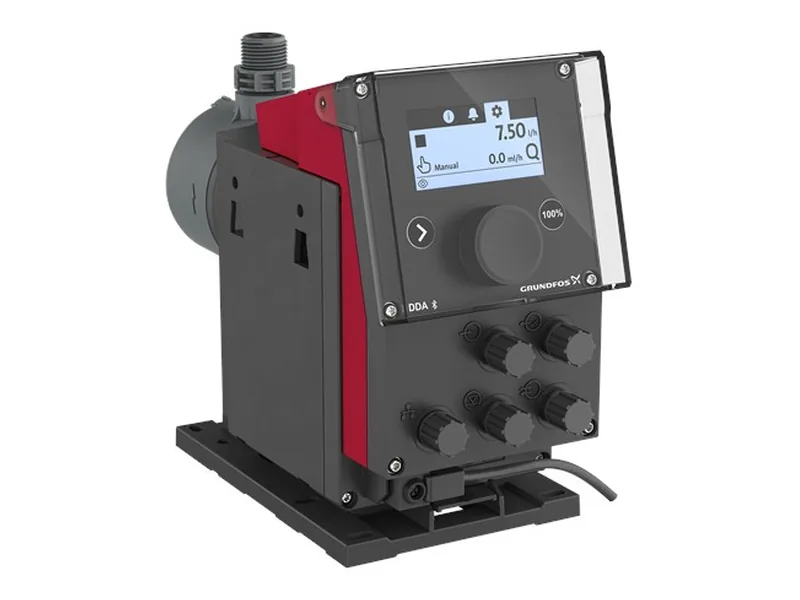
If the system takes regular makeup, or a leak cannot be eliminated for a while, closed loop cooling should move to continuous feed. The metering pump doses inhibitor in proportion to makeup: more makeup, more chemical, and the pump stops when makeup stops. The residual is then less likely to fall into a gap between manual additions. Grundfos DDA and DDE digital metering pumps are often used on this small, pulse- or flow-paced duty. You can compare them on the Grundfos brand page and in the metering pump category.
Continuous feed still needs sampling. The pump replaces the pour, not the test. Do not assume that installing a pump means you can stop residual checks. Keep the day tank closed and out of the sun, and pick an inhibitor that matches the metals and the water. Do not pour an open-tower formula into a closed loop cooling circuit. If the loop contains glycol, confirm that the inhibitor is compatible with it. Inject on the makeup line or at the discharge of the circulating pump so the chemical is carried around the loop, and fit a check valve so system water cannot run back into the chemical line. Stop the pump and relieve pressure before you open a head, and wear protection.
A short decision list for closed loop cooling looks like this:
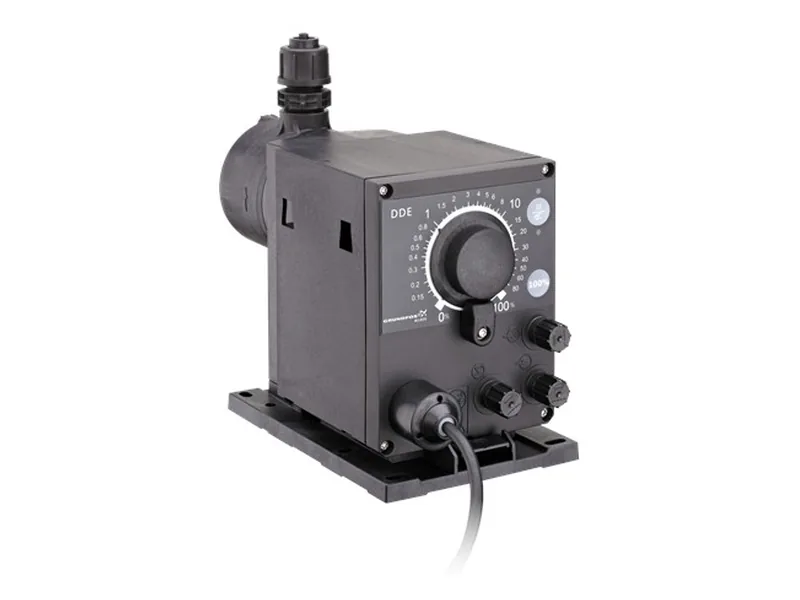
Figure 1: Grundfos SMART Digital S DDE. Image source: Grundfos official website
- Tight system, almost no makeup, sampling on schedule: slug dose, then top up from the test.
- Clear makeup or a leak that is still open: continuous feed paced to makeup.
- After a major refill: give the system an initial slug in either case, then choose the ongoing method.
- Residual keeps falling, but no large leak is obvious: check the makeup meter, vents and drains before you only raise the dose.
The wider water program on a data-center or process closed loop also includes makeup quality and a biocide, which is covered in data center cooling water treatment. This article only settles the inhibitor feed method.
Conclusion
Closed loop cooling inhibitor feed is a makeup-and-leak decision, not a question of which pump looks better. If the system is tight, slug-dose it on the fill-and-sample cycle. If the system is taking makeup, feed continuously in proportion to that makeup and correct the stroke from residual tests. Send the system volume, the makeup rate, the water quality and the inhibitor already in use through the contact page, and we will check the feed method and the metering pump with you.
FAQ
Is closed loop cooling inhibitor feed finished once I pour chemical into the expansion tank?
That can be the first slug, but it is not the end of the job. Later residual tests tell you whether the dose is still there. If the system starts taking makeup or develops a leak, occasional pouring will leave a gap.
Does a tight closed loop cooling system still need a metering pump?
Not necessarily. If you can sample on schedule and the residual is stable, a slug dose is enough. Add continuous feed later if makeup appears or the residual starts to swing.
If we feed continuously, can we stop residual testing?
No. The pump solves dilution. The test tells you whether the residual is still in range. Sample on a cycle and then trim the stroke.
Can an open cooling-tower inhibitor be poured into closed loop cooling?
Do not copy it across. A closed system has a different cycle, a different oxygen level and a different residence time. Use an inhibitor specified for closed loop cooling and set the residual for that product.
Where should the closed loop cooling injection point be?
A slug can be added through the expansion tank or a dedicated charging point. Continuous feed belongs on the makeup line or at the circulating-pump discharge, with a check valve to stop backflow.