
Corrosion Coupon Cooling Water Testing: Install, Calculate, Adjust
Corrosion coupon cooling water testing means placing a pre-weighed metal strip, made of the same material as your heat exchanger tubes, into the circulating water for a set period. You then remove it, clean it, weigh it and inspect the surface for pitting and deposits. The weight loss tells you whether the corrosion inhibitor dose is doing its job. It does not give real-time alarms, but it is cheap, direct and still the most widely used corrosion check in open recirculating systems. Below we go through install, expose, calculate and adjust.
What a Corrosion Coupon Cooling Water Test Tells You
You cannot see inside heat exchanger tubes, and a leak is a late warning. A coupon acts as a stand-in for the tubes. It sits in the same water at a similar temperature and velocity, so its corrosion is a fair indicator of what the equipment experiences.
A corrosion coupon cooling water program gives you three things. First, a corrosion rate from weight loss, so you can judge whether treatment meets target. Second, a surface picture showing pitting, under-deposit attack or biofilm. Third, a way to verify a change, such as a new chemical or a different cycles of concentration, after one exposure period.
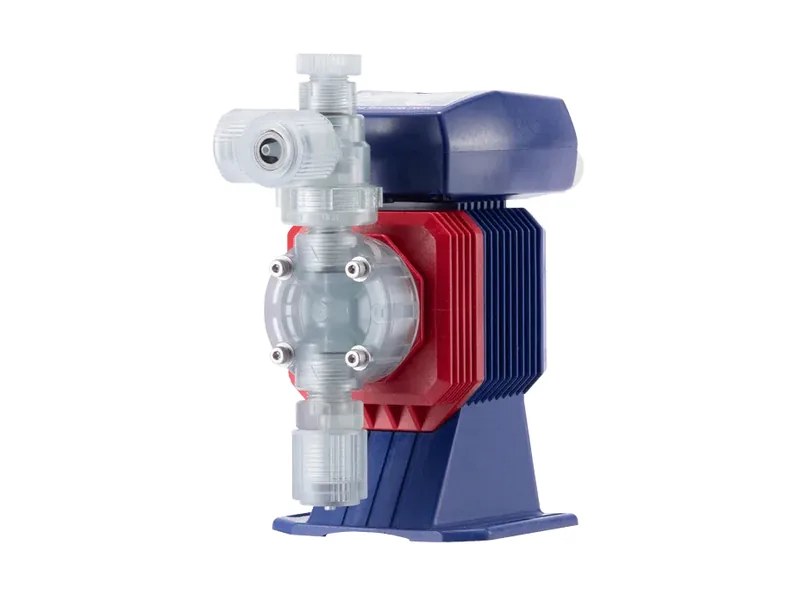
Figure 1: IWAKI IWAKI EHN electromagnetic metering pump. Image source: IWAKI official website
Where to Install the Coupon Rack
There are two common layouts. A bypass coupon rack takes a side stream from the return header, passes it over the coupons and sends it back to the basin. The other option is hanging coupons directly in the cooling tower basin. A bypass rack is preferred for corrosion coupon cooling water work, because velocity is controllable and coupons can be changed without shutting down the system.
Installation points:
- Fit the rack on the return line where possible. Return water is warmer, closer to conditions at the hot end of the exchanger.
- Keep velocity similar to the tube side of the exchanger. A valve and flow meter on the bypass help.
- Mount coupons on insulated holders so they never touch the metal rack, which would cause galvanic corrosion.
- Hang several materials in one rack, such as carbon steel, stainless steel and copper, to match your exchanger metallurgy.
How Long to Expose the Coupons
A typical corrosion coupon cooling water exposure is around one month. Too short and the high initial corrosion rate skews the result upward. Too long and deposits mask the true picture. Hang at least two or three parallel coupons per material and average the results. If one coupon is far off, find out why.
Before installation, degrease, rinse and dry each coupon, then weigh it on an analytical balance and record its number and dimensions. Wear clean gloves and never touch the surface with bare hands.
Calculating Corrosion Rate by Weight Loss
Photograph the removed coupon first. Then strip the corrosion products in an inhibited acid cleaning solution, rinse, dry and weigh again. The difference is the weight loss.
The usual calculation for a corrosion coupon cooling water result is:
Corrosion rate (mm/y) = 87,600 × weight loss (g) ÷ [surface area (cm²) × metal density (g/cm³) × exposure time (h)]
The factor 87,600 converts the result to millimetres per year. Carbon steel density is about 7.85 g/cm³. To correct for metal removed by the acid itself, clean an unexposed blank coupon the same way and subtract its loss.
Compare the result with the control limits in the cooling water design standard your project follows. Carbon steel and stainless steel have different limits. Do not rely on the number alone. Visible pits on a coupon deserve attention even when the average rate passes.
Using Corrosion Coupon Cooling Water Results to Adjust Inhibitor Dosing
The real value of corrosion coupon cooling water monitoring is setting the dose. If the carbon steel rate is high, check water chemistry first: pH, calcium hardness, alkalinity, chloride and cycles of concentration. If chemistry is in range, confirm the actual inhibitor residual. Often the metering pump is set too low or the day tank was not refilled in time.
Change one variable at a time. Raise the inhibitor residual one step, then read the next coupon. Do not change product and blowdown rate together, or you will not know which change worked. For the link between dosing, cycles and blowdown, see our cooling water dosing principle. Dosing point location is covered in dosing at supply or return.
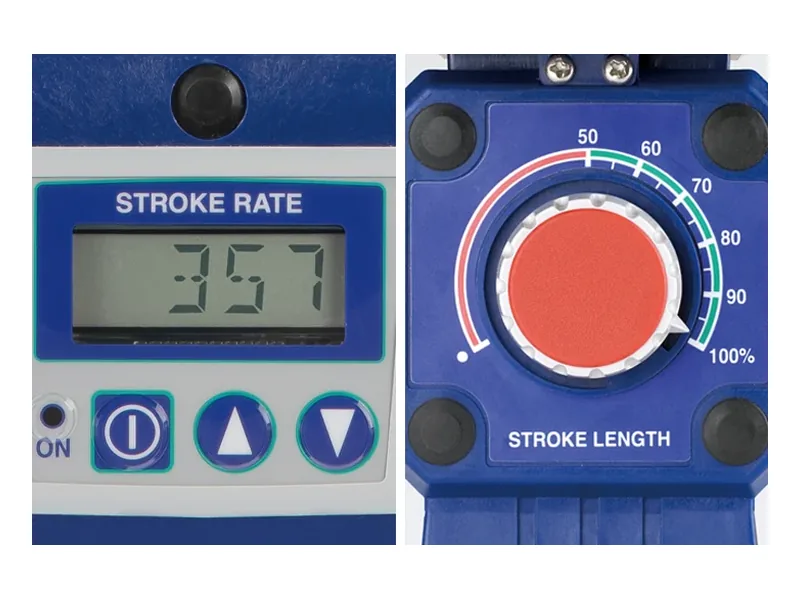
Inhibitor is usually fed by a solenoid metering pump in proportion to makeup or blowdown flow. The IWAKI EHN electromagnetic metering pump, for example, lets you set stroke rate and stroke length on its panel, which suits small step changes after each corrosion coupon cooling water reading. It can also take an external pulse signal from a makeup water meter.
Conclusion
Corrosion coupon cooling water testing is a low-cost, direct way to confirm your treatment works. Fit a bypass rack on the return line, expose coupons for about a month, calculate the rate by weight loss, and adjust inhibitor dosing against water chemistry and actual residual. Coupons pair well with online corrosion monitors: one shows long-term trends and surface condition, the other shows real-time changes. If you need solenoid metering pumps or a dosing skid for inhibitor feed, contact us with your circulation rate and chemical, and we will help size the pump range.
FAQ
Can a corrosion coupon cooling water test replace an online corrosion monitor?
Not fully. A coupon gives an average rate over the exposure period and cannot show a short spike caused by a few days of upset chemistry. Use both: coupons for long-term verification, online instruments for real-time trends.
Why do coupon results vary a lot between periods?
Common causes are inconsistent coupon preparation, changing velocity in the rack, coupons touching the metal holder, and different acid cleaning times. Standardise the procedure first, then decide whether the water itself is fluctuating.
The coupon is covered in scale. What does that mean?
Scale control is not adequate or cycles of concentration are too high. Scale hides corrosion, so the weight loss may read low. Check scale inhibitor dose and blowdown control, and lower the cycles if needed.
Should I hang copper coupons too?
Yes, if your exchangers have copper or copper alloy parts. Copper needs its own inhibitor, such as an azole, and its result is evaluated separately.
When should a new system start a corrosion coupon cooling water program?
Start after pre-filming is complete and the system is in normal operation. The first set becomes your baseline, and every later period is compared against it.