
Beverage Water Treatment: Disinfection and Softening Dosing
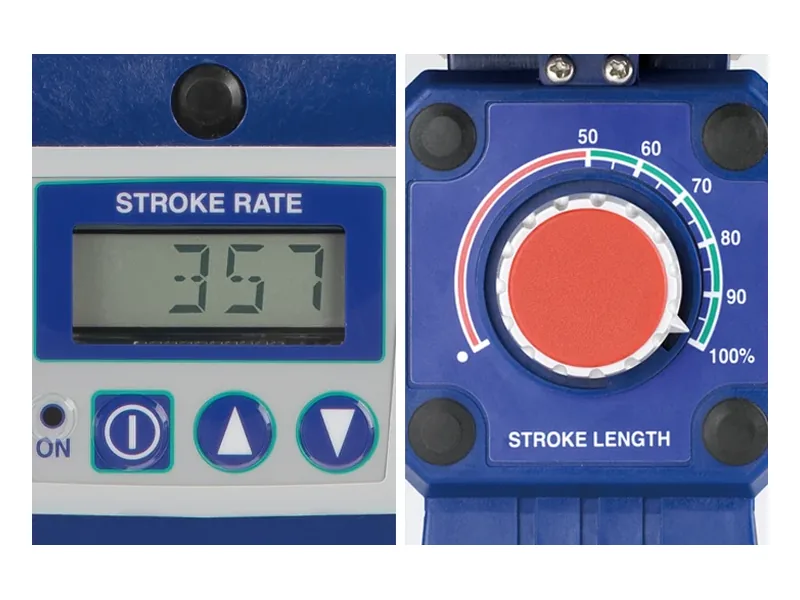
Beverage water treatment on the process-water line is easy to postpone while the plant spends its attention on CIP and ingredient dosing. Bottle rinse water, blend water, and the last rinse at the filler all need a microbial residual and controlled hardness. If the disinfectant dose is short, the residual disappears at the far end of the pipe. If softening is late or bypassed, heaters and filler valves scale. This piece is for utilities staff in a bottling plant. It covers only process-water disinfection and softening, not CIP chemical feed and not sugar, acid or flavor dosing.
Why beverage water treatment has to cover both jobs
Once process water enters the plant, it is usually filtered, softened or demineralized, then sent to a use tank or to blending and filling. Water sits in that tank and in the distribution pipe, and that is where secondary contamination shows up. A beverage water treatment disinfection point should be placed for that residence time and for a residual at the point of use.
Hardness is a separate line. When calcium and magnesium are high, heat exchangers and filler valves scale even if CIP is frequent. A softener removes most of the hardness, but a late regeneration or an open bypass will let hardness through. Some plants skip the softener and dose an antiscalant to protect the heaters. That is still beverage water treatment, and it must not share a pump with ingredient dosing.
The two lines affect each other. High hardness often increases disinfectant demand, and a chlorine residual fed upstream of a softener can damage the resin. A wrong injection point is a water-quality problem and a resin problem at the same time.
Where to dose disinfectant in beverage water treatment
A common arrangement is to hold a residual at the use-tank inlet or on a tank recirculation line, then confirm it at the filler. On a line with swinging flow, a single dose on the raw-water header often dies before the end. For beverage water treatment, put the disinfection point near the use tank and verify it with an end-of-line sample, not only by the pump stroke.
Sodium hypochlorite is the usual chemical. Some plants use chlorine dioxide. Hypochlorite off-gasses and can crystallize, so the liquid end and the suction line should be set up for a gassing chemical, as described in sodium hypochlorite dosing pump selection. A chlorine dioxide system needs precursor metering and its own safety provisions, covered in chlorine dioxide dosing systems. Do not tee CIP caustic or peracetic acid into the process-water disinfection pump.
The residual target depends on how the water is used. External bottle or equipment rinse can run a lower residual. Water that enters the product has to follow the plant's quality limit and contact time. Do not copy a cooling-tower residual onto blend water. Where flow swings through the day, a pulse from a water meter holds the dose better than a fixed stroke. Iwaki EHN solenoid metering pumps are often used on these small-to-medium duties. Compare liquid-end materials on the Iwaki brand page and in the metering pump category.
A few field points keep coming back:
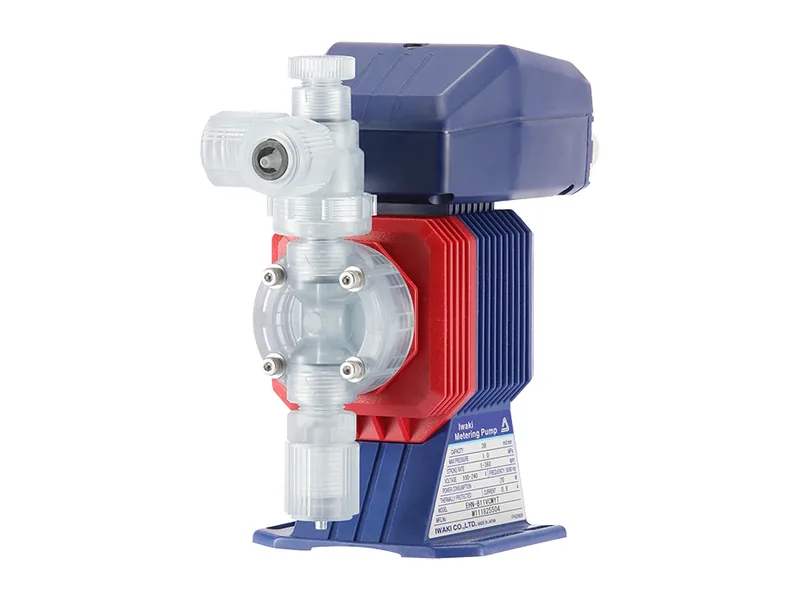
Figure 1: IWAKI EHN-YN solenoid metering pump. Image source: IWAKI official website
- Keep the tank shaded and covered. Available chlorine in hypochlorite falls as the drum sits, so calibrate on a short cycle.
- Keep the suction line short and free of humps, and bleed the head after a shutdown.
- Fit a check valve at the injection point so process water cannot run back into the chemical line.
- Do not place the sample point immediately next to the injection point. Leave some pipe length for mixing.
After a softener, does beverage water treatment still need a scale inhibitor?
If the softener is healthy, process-water hardness is already low, and a continuous antiscalant is often unnecessary. A dose may still be needed if the softener has a bypass or a regeneration window, if the heater is still sensitive to a trace of hardness, or if the plant has no softener. Those decisions should sit next to a hardness measurement. An online hardness analyzer shows whether the softener has broken through.
A softener and a dosing skid do not replace each other, and how the two jobs are split is covered in chemical dosing versus a water softener. On the softening side of beverage water treatment, monitor hardness after the softener and alarm on breakthrough; if there is no softener, feed antiscalant in proportion to makeup, ahead of the heater; if pH trim is required, give it its own pump and do not share a head with the disinfectant.
Brine regeneration is not continuous process-water dosing. Do not connect a regeneration pump and a filler-water disinfection pump to the same discharge header, and keep regeneration waste on its own drain.
Keep the disinfectant and the softener out of each other's way
Do not inject a chlorine residual on the inlet of a cation-resin softener. Oxidized resin will throw the hardness out of range, and raising the disinfectant dose will not repair it. The workable order is: filter, then soften, then send the water to the use tank, and dose disinfectant at the tank inlet or on tank recirculation. If the plant must disinfect before the softener, use a method that does not attack the resin.
Do not inject antiscalant and disinfectant at the same point. If the two chemicals meet in a pump head or an injection valve, they can throw a precipitate and stick a check valve. For beverage water treatment, stagger the two injection points along the flow, give each chemical its own valve, and calibrate the two pumps separately.
Choose the pump and the tubing for the chemical and for food-contact duty. Hypochlorite is usually run with a plastic liquid end. Any pipe that sees product water still has to meet the plant's hygiene rules. Keep carbon steel and copper out of the disinfectant. Stop the pump and relieve pressure before you open a head.
Conclusion
Beverage water treatment on the process-water line works when you run residual and hardness as two jobs, and when you place the injection points in the order of the water flow. Dose disinfectant near the use tank and confirm the far end. Watch the softener for breakthrough. Use an antiscalant only when there is no softener, or when a heater still needs protection. Send the use points, the water quality, the flow and the softening equipment already on site through the contact page, and we will check the liquid end, the injection points and the control method with you.
FAQ
Can I just turn up a CIP pump and use it for beverage water treatment?
No. CIP chemicals run at high strength on an intermittent duty. Process-water disinfection is a continuous, low-concentration dose. Keep the pumps and the piping separate.
If we already have a softener, does beverage water treatment still need antiscalant?
If the softener is stable and the outlet hardness is in spec, a continuous antiscalant is usually unnecessary. A bypass, a regeneration window, or a sensitive heater may justify a small makeup dose, guided by hardness monitoring.
Can we use a cooling-water residual as the beverage water treatment target?
No. A cooling-water residual is there to hold microbes in a recirculating loop. Process water may contact the product, and the plant will have its own residual and odor limits.
Why does the disinfectant pump on a beverage water treatment line gas-lock?
Sodium hypochlorite decomposes and gives off gas. A warm tank, a hump in the suction line, or a restart without bleeding the head will leave the pump stroking with no flow. Pipe it as a gassing chemical and recalibrate on a short cycle.
Is a solenoid metering pump acceptable for beverage water treatment on a small filling line?
Yes. For small-to-medium flows that need to follow a water-meter pulse, a solenoid metering pump is a common choice. Confirm the flow range, the liquid-end material and the signal input before you pick the model.