
Chemical Dilution Calculation for Solid and Liquid Reagents
A chemical dilution calculation is the step that turns a solid into a solution, or a concentrate into a weaker liquid, and states how much active ingredient is actually in the finished mix. If that step is wrong, a well-set pump will still dose the wrong liquid. This page uses clearly marked hypothetical examples for solids and for liquids, and it shows where purity and density enter the sum. The examples are only there to make the steps checkable. They are not a recipe for a named product, and no prices are given. How to size an antiscalant dose from make-up water is a different job and is not expanded here.
Chemical dilution calculation for a solid and for a liquid
For a solid, first decide whether you are targeting a pure-ingredient basis or a commercial-assay basis. Suppose, as a hypothetical example, you need 100 litres of solution at 10 percent active ingredient, and the solid is 90 percent pure. The mass of commercial solid has to be divided by that purity; you do not simply multiply 100 litres by 10 percent. After the solid has fully dissolved, let the temperature come back close to the make-up temperature before you make the final volume. A hot mix that already sits on the mark will shrink as it cools, and the strength will be high.
For a liquid, read whether the label is a mass fraction, a volume fraction or a mass per litre. If the density is clearly different from water, do not treat one litre as one kilogram. Suppose, as a hypothetical example, you dilute a 20 percent concentrate to 5 percent. With density known, conserve the active ingredient to find how much concentrate and how much water to take, then check the final volume or mass. A chemical dilution calculation that skips purity or density will pull every later dose with it.
A ProMinent ULTROMAT ULIa polymer unit makes a solution from powder and dilution water at a set ratio. If the plant still makes up by hand, the same kind of chemical dilution calculation should be written into the post procedure, not left as "pour some in by feel". In-line dilution is covered in in-line dilution dosing, and that is not the same path as a tank make-up.
If you make too much, or make it too weak
During make-up, use a short list like this:
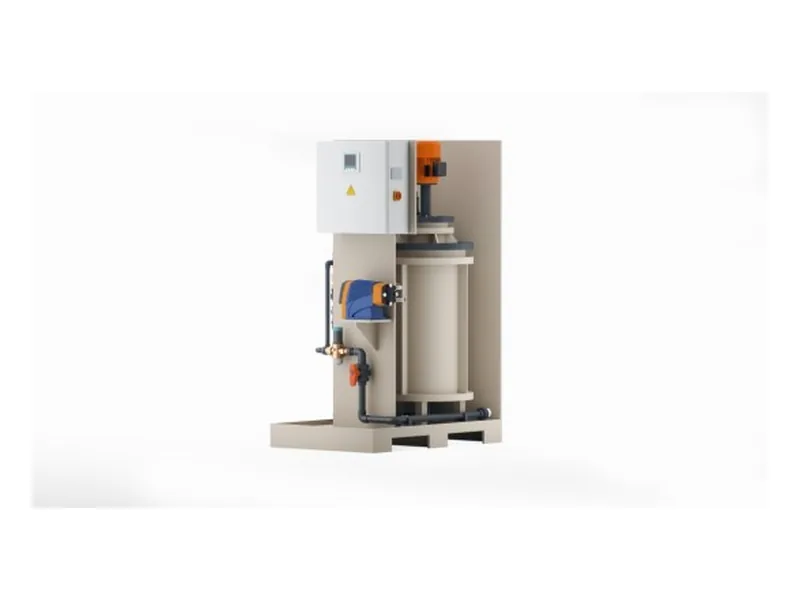
Figure 1: ProMinent ULTROMAT ULIa polymer preparation unit. Image source: ProMinent official website
- Make only what you can use in a short period, because some chemicals hydrolyse, break down or throw a precipitate if they sit, and the strength is then no longer the one you calculated;
- If the mix is too weak, the pump has to run at a very high stroke to catch up, and the adjustment becomes coarse, especially at a low flow;
- Record the batch, purity or assay, density if you have it, the mass added, the final volume and the time, so you can go back to the sum.
PAC and PAM dose ratios are in PAC and PAM dosing ratio. That ratio sits after a chemical dilution calculation, and it is not a make-up formula. How control parameters are set is in dosing control parameter setup. The setpoint should match the strength in this tank; if the strength changes, the setpoint has to change with it.
The water you use to dissolve or dilute will usually affect some chemicals, so use the water the procedure names, not an unknown hose. If a powder has caked, break it and weigh it; do not guess a bag mass into the tank. After the chemical dilution calculation, a second person should typically check the masses and the final volume, especially on a new batch or a new target. Water temperature also changes how quickly some solids dissolve, so write a usable temperature band. Dusty powders should be weighed in a ventilated or closed setup, and residue on the tools should go into the mix, not onto the floor.
Site checks and safety
After make-up you can spot-check with density, refractive index or an agreed lab method, especially on a new lot or after a change of person. If it does not match, check the weigh-out, the final volume and the purity before you change the pump. PPE follows that chemical, for both dust and splash.
If you want the method or the record sheet checked, send the chemical name, the target strength and the pack assay, and contact us to turn the steps into a post table. Skid types are listed under dosing skids and ProMinent. The chemical dilution calculation still follows the product sheet and the lab method you use on site.
Conclusion
A chemical dilution calculation should follow one path for dissolving a solid and another for diluting a liquid, and it should include purity and density. Lock the steps with a hypothetical example, make only what you can use soon, and remember that a mix that is too weak makes metering coarse, while a mix that sits too long may change. Record the batch, the masses and the final volume, and change the dose setpoint when the strength changes, so the pump delivers what the process asked for. This page does not cover sizing an antiscalant dose from make-up water. Used with a second check, a chemical dilution calculation is a step you can audit. When a new person joins the post, walk one full chemical dilution calculation with them, including the purity and density lines, rather than only handing over a filled sheet. If two people get different results from the same pack, stop and find the basis error before any more solution is made. A chemical dilution calculation that cannot be repeated by a second person is not yet a procedure.
FAQ
If the label says 30 percent, may I use 30 percent in the chemical dilution calculation?
Not always. Read whether that figure is a mass fraction or another basis, and read the purity. Clear the basis before you copy a label percent into a formula.
May I make up enough solution for many days at once?
It depends on how stable the chemical is. In general, make only what you can use soon. If the liquid has already gone cloudy, changed colour or thrown a precipitate, stop using it at the original strength and find the cause.
How do I dilute a liquid if I have no density figure?
Ask the supplier for a density, or make up by mass rather than guessing a volume. When density is clearly different from water, a volume shortcut usually misses.
Do I have to test the finished mix in a lab?
On a new lot, a new person, or a strength the process is sensitive to, a spot check is wise. For a stable routine grade, at least keep the make-up record so a later miss can be traced. A chemical dilution calculation without a record is hard to defend.
Can I use the same formula for in-line dilution and for a tank make-up?
The idea, conservation of active ingredient, is the same, but the water addition, the mixing and whether the strength at the pump is already steady are not. Set an in-line system from its own instructions, and do not paste a tank recipe into it.