
Chemical Storage for Dosing: Shelf Life, Light, Heat and Segregation
Chemical storage for dosing is about how neat packs and already diluted solution are kept in a store or a dosing room: where they sit, how long they stay, and which products must not share a space. A wrong area, heat, light or an expired date can mean that a careful make-up still starts from a spoiled feed. How to build a spill bund is covered in chemical room spill containment. This page only asks that the storage position can hold a leak in a place you can collect; it does not repeat bund construction.
Chemical storage for dosing: keep neat packs and diluted solution apart
Keep neat packs sealed, with labels facing out, in a cool, dry place away from direct sun, heaters and a west-facing exterior wall. Diluted solution usually has a shorter life, so mark the make-up date and the strength, use it within the stated time, and do not stack it on the same layer as unopened drums for "a quick top-up". Hypochlorite breaks down in light and heat, so the storage condition is tighter. Tank selection is in sodium hypochlorite storage tank selection. This page only stresses that chemical storage for dosing has to follow the product, not a single "keep cool and dry" line for every drum.
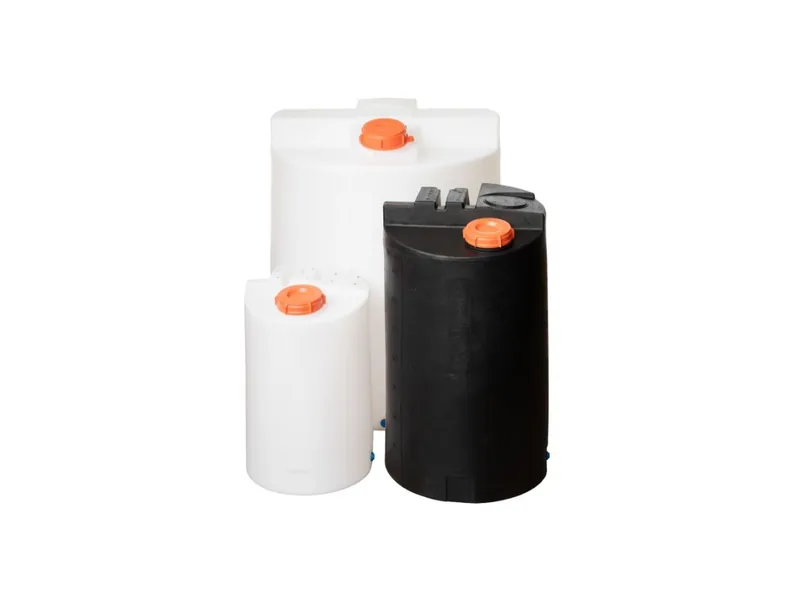
ProMinent polyethylene dosing tanks are a common day tank. The material and volume have to suit the chemical; the general material guide is in dosing tank materials. Tanks and drums should have lids. A long-open mouth lets in dust and moisture, and it can speed loss or breakdown of some products. When chemical storage for dosing is in order, make-up and dosing have a stable starting point.
Segregation, shelf life and opened packs
For day-to-day storage, use a short list like this:
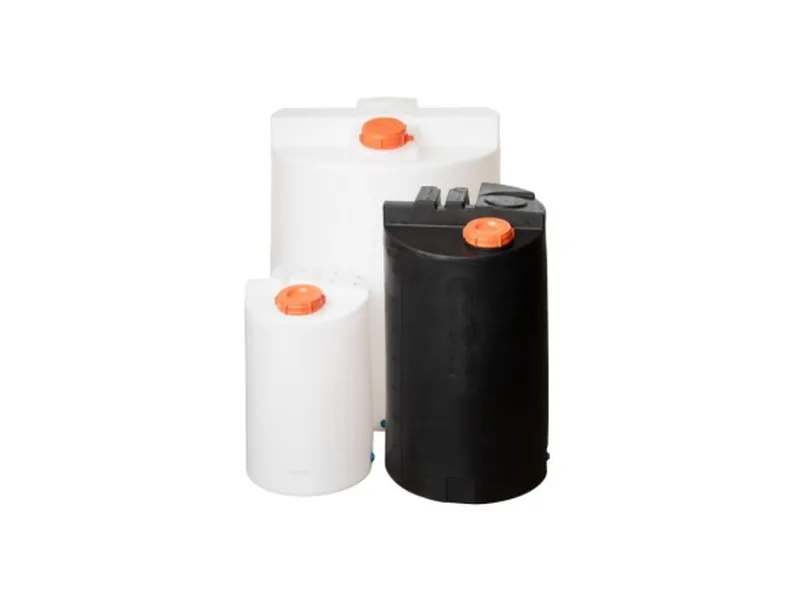
Figure 1: ProMinent polyethylene dosing tank. Image source: ProMinent official website
- Keep acids, alkalis, oxidisers, reducers and polymers in separate areas, with a walkway between them, and do not mix them on one pallet;
- Read the shelf life and the time after opening, use older stock first, write the open date, and stop using anything that is expired or clearly discoloured or settled;
- Both the store and the dosing room should be able to collect a leak; bund fall and floor fall are only noted here, and construction follows the bund article.
Hypochlorite room safety is in sodium hypochlorite dosing room safety. Storage rules should match that PPE and rinse set, not invent a second store rule. Oxidiser next to organics or acid raises the risk if a leak occurs, so segregation is not a display. Incoming goods should be checked for name, assay, lot and pack condition before they go into chemical storage for dosing. Empty drums should be handled under the site rule, and should not be refilled with a different chemical under the old label.
Routine checks
Walk the temperature, whether labels are still present, and whether any drum is bulging, seeping or in the wrong area. In summer, use heat-sensitive stock first or move it to a cooler place. On a leak, follow that chemical's emergency steps, then restore order. Stock records and a location plan also belong to chemical storage for dosing. If the book says a drum is there and the floor does not, or a drum has no label, the wrong feed is usually not far away. Mark acid, alkali, oxidiser and polymer areas on the plan, and find a place for a new product before it is unloaded. Reseal a partly used neat pack and write the open date. If winter and summer store temperatures differ a lot, write a separate line for heat-sensitive stock. Diluted solution should not be stacked with neat packs, or someone will treat an old mix as fresh feed. Keys and issue slips matter as well: if anyone can enter and open a drum, the areas and the book will not stay intact.
If you want the conditions or the area plan checked, send the product list and the store layout, and contact us to turn segregation and labels into a usable table. Tanks are listed under ProMinent and related accessories under metering pumps. The storage rule still follows each product sheet. Chemical storage for dosing is more than a bund; temperature, light, areas, dates and labels all have to be kept.
Conclusion
Chemical storage for dosing should keep neat packs and diluted solution apart, away from light and heat, with acids, alkalis and oxidisers in separate areas, and it should control shelf life and the time after a pack is opened. The bund only has to make a leak collectable; construction sits on the other page. Labels, first-in first-out and a routine walk keep spoiled stock out of the pump. Once chemical storage for dosing is stable, make-up and dosing have a feed you can repeat. A short audit of labels and areas is usually more useful than a clean-up after a mix-up.
FAQ
Does diluted solution have the same storage life as the neat pack in chemical storage for dosing?
Usually it is shorter. Follow the product sheet and your own lab, and write the make-up date on the tank. Do not assume a diluted mix can sit until the neat pack expires.
May different chemicals share one pallet?
Incompatible ones may not, especially acid with an oxidiser, or an oxidiser with an organic. Even if they are compatible, the labels must stay clear so the wrong drum is not taken.
If a pack is past its date but looks unchanged, may I still use it?
Stop using it at the original strength. Test it if you need to, and let operations decide. A normal appearance does not mean the assay is still there. Chemical storage for dosing should treat the date as a hard stop until a test says otherwise.
Is it acceptable to keep neat drums in the dosing room?
A short working stock can sit there if light, heat, segregation and leak collection are still met. Bulk packs belong in a store that meets the same rules. The dosing room should not become a warehouse.
Is a bund the whole of the storage requirement?
No. A bund only directs a leak. Chemical storage for dosing also covers temperature, light, areas, shelf life and labels, and a miss in any of those will show up later in make-up.