
Chemical Unloading and Tank Refill: Checks That Keep the Job Safe
Chemical unloading is the manual transfer of a delivered product from a tanker, tote or drum into a storage tank, an intermediate tote or a day tank, without a splash, a mix-up or an overflow. How automatic refill is arranged is covered in automatic dosing tank refill. That page covers level control and pipe arrangements; this page only covers the safety steps for a manual fill. Transfer connections are in dosing transfer pump fill connections. Do not copy automatic-valve logic onto a hose that a person is holding.
Before chemical unloading: identity, static and splash
Before a hose is connected, match the product name, assay, lot and receiving tank number. If the labels do not agree, do not connect. For hypochlorite or another sensitive chemical, also follow the storage and PPE rules in sodium hypochlorite dosing room safety. Confirm that PPE, rinse and first aid are ready before the job starts. The floor and bund should be able to collect a leak; construction is in chemical room spill containment. Do not choose an unloading point the bund cannot reach.
Static and splash are the usual injury sources. Earth the vehicle or tote if the job requires it, then open the valve. Make the hose tight, vent trapped air, and only then open further; do not drive liquid hard onto the surface and throw a spray. A toxic or volatile chemical should be transferred in a closed way as far as possible, with people standing upwind and out of the splash line. ProMinent storage tanks are a common receiving vessel. Confirm that the fill opening, overflow and level instrument work before chemical unloading starts, and have someone watch the high level. "There is probably still room" is not a level check.
How to refill a tank, tote or day tank without a mix-up
During a fill, use a short list like this:
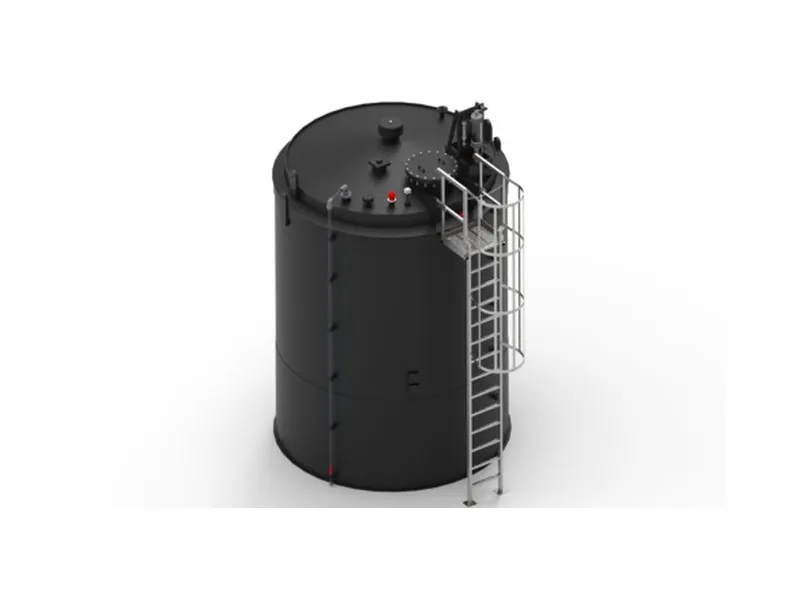
Figure 1: ProMinent chemical storage tank, used here as a receiving vessel for unloading. Image source: ProMinent official website
- Keep one hose and one pump for one class of chemical; if you change product, empty, flush and change the label, and do not use one hose for two incompatible lots in turn;
- If the residual in the receiving vessel is not the same product or the same strength, confirm that a mix is allowed before you open the valve;
- Watch the level throughout, and close early as high level approaches. Cleaning an overflow is always more work than watching the gauge.
The usual failure in chemical unloading is a hose on the wrong tank. Tank numbers, pipe colours or tags on the floor are the reference, not memory. After the fill, close and restore lids, valves and earth leads, put empty packs and residual liquid in the stated place, and write the lot, quantity and receiving tank in the log so the next shift can follow it.
If an automatic refill already exists, and manual filling is only for maintenance or an emergency, isolate the two operations so one path is not opening a valve while someone is at the tank mouth. Chemical unloading and an automatic fill should not run at the same time.
Faults and close-out
If a hose comes off, a leak starts, or the level rises unexpectedly, stop the pump and close the valve first, then follow the emergency steps for that chemical. Do not start by wiping. After the job, check residual at the connections and whether labels are still in place. If the quantity and the delivery note do not agree, settle it on the spot. For chemical unloading, a second person should typically watch level, earthing and bystanders while the first person works the hose. Night work needs enough light to read tank numbers; if you cannot read the number, do not open the valve. In rain or on a wet floor, splash and slip control have to be tighter. Write start and finish level or quantity in the log. If a pack is damaged or the odour is clearly wrong, stop chemical unloading and isolate that lot; do not put it in the tank "to be checked later". Keep bystanders and other vehicles out of the hose swing, and if the job must pause, close the valve and stop the pump before anyone leaves a live hose.
If you want the card or the connections checked, send the product, tank numbers and transfer method, and contact us to turn the steps into a checklist. Tank types are listed under ProMinent. The steps still follow the site safety rule. Several tanker arrivals in one day make a clear hose and tank change even more important.
Conclusion
Chemical unloading should start with a name and tank-number check, then control static and splash, prevent a mix-up, and watch the high level. This page only covers a manual fill. Automatic refill valves and pipe arrangements sit on the other page. Restore lids, valves and labels, and leave a lot and tank record, so a mix-up or an overflow is less likely. PPE and a rinse point should be in place before the valve opens, not after an incident. Done that way, chemical unloading is a controlled transfer rather than a rush at the tanker.
FAQ
If a tanker has arrived and the paperwork is incomplete, may chemical unloading start?
No. If the name, assay and receiving tank are not agreed, do not connect a hose. Filling first and completing papers later is a common way to put the wrong product in a tank.
Do similar chemicals still need separate hoses?
Yes. A similar name does not mean they may share a hose. Incompatible products need a complete split, and a product change still needs a flush and a new label.
If the level instrument has failed, may I still fill the tank?
Repair it first, or use a reliable temporary measurement with someone watching from a safe place. Opening a valve when you cannot see the level is how tanks overflow.
May a manual fill and an automatic refill run together?
In general, no. Two inlets at once will usually confuse level and interlocks. Isolate automatic refill during a manual job, and tell the control room.
There is a little residual on the floor after chemical unloading. What now?
Collect and rinse it by the procedure for that chemical. Do not wash it into a drain that should not receive it. The bund and the collection point should already have been ready before the job started.