
Dilution Water Quality: Hardness and Residual Chlorine
Dilution water quality decides whether a made-down solution will still work, not what percentage you should make it to. High hardness scales tanks and lines, and it can consume part of a phosphate or a flocculant before the solution ever reaches the quill. Residual chlorine can cut the chains of a polymer such as PAM, so the tank looks full of "solution" while little activity arrives at the injection point. How to calculate a dilution ratio is in chemical dilution calculation. This article stays on dilution water quality: hardness and residual chlorine.
Why dilution water quality fails first on hardness and chlorine
Hardness is mainly calcium and magnesium. When you dilute PAC or a ferric salt, the short-term effect may be small, but scale grows on tank walls, valves and the quill, and flow slowly falls. When you dilute phosphoric acid or some additives, hard water can precipitate part of the active ingredient. When you dilute PAM, high hardness can slow dissolving and weaken the floc, especially with a cationic polymer. Scale also blinds a strainer early, and the shift may think the pump has failed.
Residual chlorine is harder on chemicals that are sensitive to oxidation. A PAM solution that meets chlorine often loses viscosity and flocculation power as the chains are cut. Reductants, some corrosion inhibitors and biological preparations have the same problem. Sodium hypochlorite is itself a chlorine product, so diluting it with chlorinated water is usually not the main concern. The real risk is using that same city water to make down PAM or another oxidant-sensitive reagent. Poor dilution water quality cannot be fixed later by calibrating the metering pump; the activity is already gone.
What to measure for dilution water quality
Before you make down a batch or start an in-line diluter, measure hardness and residual chlorine in that water line. Do not assume city water is good enough. Hardness can be followed with a titration or an online hardness analyser; softener breakthrough is covered in online water hardness analysers. Residual chlorine can be checked with a DPD test or an online chlorine analyser. Iron and manganese in the same water can also discolor a solution or throw a precipitate, so they are worth a look.
Safer sources are softened water, demineralized water or reverse-osmosis permeate, or at least water that has been dechlorinated. Dechlorination can use a carbon filter, a period of standing and aeration, or a reductant allowed by the site procedure. Choose the method from the water and the chemical, and do not overdose a reductant so that you create a new interference. Dilution water quality does not have to meet a boiler-feed specification, but it does have to let that chemical dissolve and stay stable. If the source water changes, measure again. Do not keep last season's conclusion.
An in-line dilution skid mixes neat chemical and dilution water in the pipe, so it is more sensitive: there is no tank where you can watch the solution for a while. How to pipe those skids is in inline dilution dosing systems. The point here is narrower: the water that enters the diluter must also meet the hardness and chlorine tests.
Confirm the makeup water in this order:
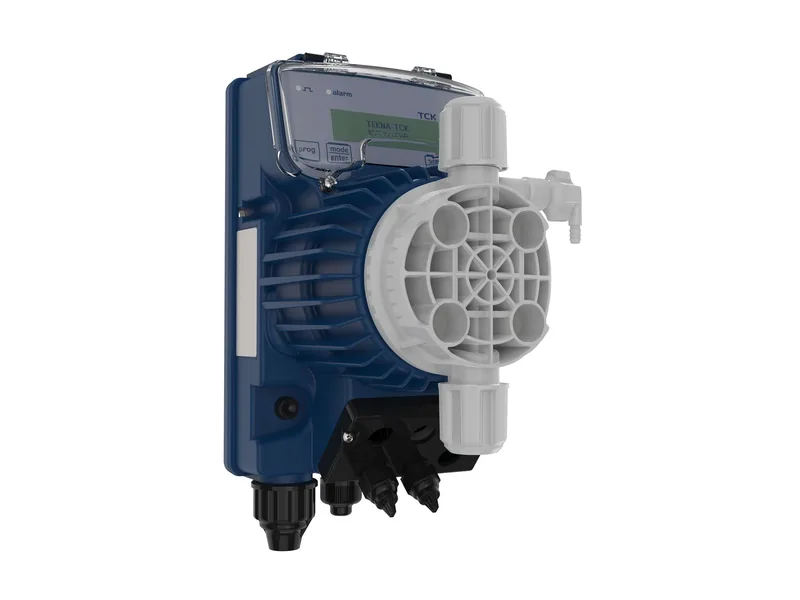
Figure 1: SEKO Tekna TCK solenoid diaphragm metering pump. Image source: SEKO official website
- Measure hardness and residual chlorine in the dilution water, and iron or manganese if they are known to be present.
- For PAM, reductants and other oxidant-sensitive chemicals, prefer dechlorinated water with lower hardness.
- Watch the made-down solution for a drop in viscosity, a colour change, a precipitate or fresh scale. If you see that, stop using that water line.
- After a source or a seasonal change, measure again rather than reuse the old result.
Those four checks are how you keep dilution water quality under control before the pump is asked to deliver a dose that no longer exists in the tank.
Tanks and pumps when dilution water quality is in doubt
Once dilution water quality is accepted, use tank and pipe materials that suit the chemical, and leave access so scale can be cleaned and flushed. Strainers should be easy to open. The dilution-water line into the tank should not be cross-connected with the neat-chemical line, or you will get backflow. When making down PAM, stir only enough to disperse the polymer. High-speed shear for a long time does not "speed up dissolving," and it is worse when the water is already poor.
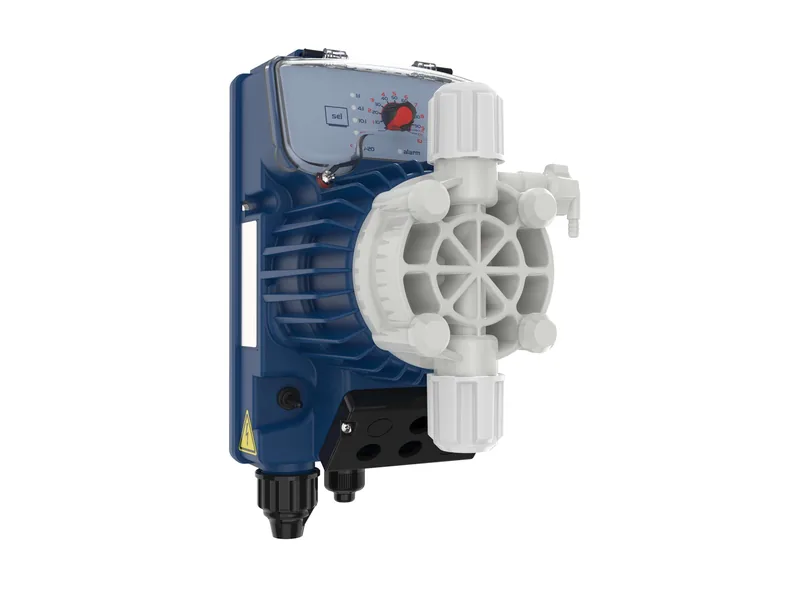
The diluted solution can be fed with a solenoid diaphragm metering pump. SEKO Tekna APG and Tekna TCK pumps are a common choice for these liquid duties where frequency is adjusted. Still check the wet-end material against the chemical. Product pages are on SEKO and the metering pump category. Send the chemical, the planned dilution-water source, and the hardness and chlorine figures, and we can check the pump and the pipe.
If a tank grows a white crust in a week, or a PAM solution is clearly thinner than usual, look at dilution water quality before you assume the pump is pumping air. Raising the stroke will not bring back activity that the water has already destroyed.
Conclusion
Dilution water quality has to clear hardness and residual chlorine before you spend time on the make-down ratio or the pump stroke. Keep PAM and other oxidant-sensitive chemicals away from chlorine, and treat hard water as a source of scale and lost activity. Prefer softened, demineralized or dechlorinated water, and apply the same rule to an in-line diluter. Send the chemical name, the water source you use now, and the hardness and chlorine readings, and we can review the make-down conditions and the metering pump.
FAQ
Can we use city water as dilution water without any treatment?
Measure hardness and residual chlorine first. If the water is already soft and the chlorine residual is very low, some coagulants may tolerate it. For PAM or an oxidant-sensitive chemical, city water usually needs to be dechlorinated, and sometimes replaced with softened or demineralized water, before it can meet dilution water quality needs.
Is there a single hardness limit that fits every chemical?
No. There is no one number that covers every reagent. Use the dissolving instructions for that chemical, and watch whether the solution scales or loses activity on your water. PAM and phosphates are more sensitive to hardness and should be judged on their own.
The chlorine residual is already low. Do we still need to dechlorinate?
For a coagulant such as PAC, a very low residual often has a smaller effect. For PAM, it is still safer to dechlorinate before make-down. An extra step is cheaper than a tank of broken polymer.
Does an in-line diluter need better dilution water quality than a day tank?
Yes. An in-line diluter has no tank time in which you can watch the solution. High hardness or residual chlorine shows up sooner in the pipe and in the dose. The water that enters the diluter has to pass the same tests.
If the water is poor, can we just add more chemical to compensate?
No. Once the active ingredient has been precipitated or oxidised, a higher dose wastes chemical and can add more scale or side reactions. Fix the dilution water quality first, then make the solution down at the normal strength.