
How to Keep Chemical Consumption Records That Match Flow

Chemical consumption records are not a neat copy of the stroke setting. For the same shift they have to show how much chemical left the day tank, how much the pump was supposed to deliver, how much water was treated, and how that use lines up with deliveries. If the numbers do not close, find out whether a refill was missed, the make-down strength changed, or the pump did not move what the panel suggested. This article is for operators and inventory staff at a water or wastewater plant, and it stays on logs and reconciliation.
What belongs in chemical consumption records
Many plants still keep a single stroke percentage and call it a log. Two weeks later nobody can say how many kilograms left the tank. Chemical consumption records have to be reconstructable: which product, at what strength, from which tank, against which flow, with which pump settings, and with a start and end level.
These items should appear on every shift:
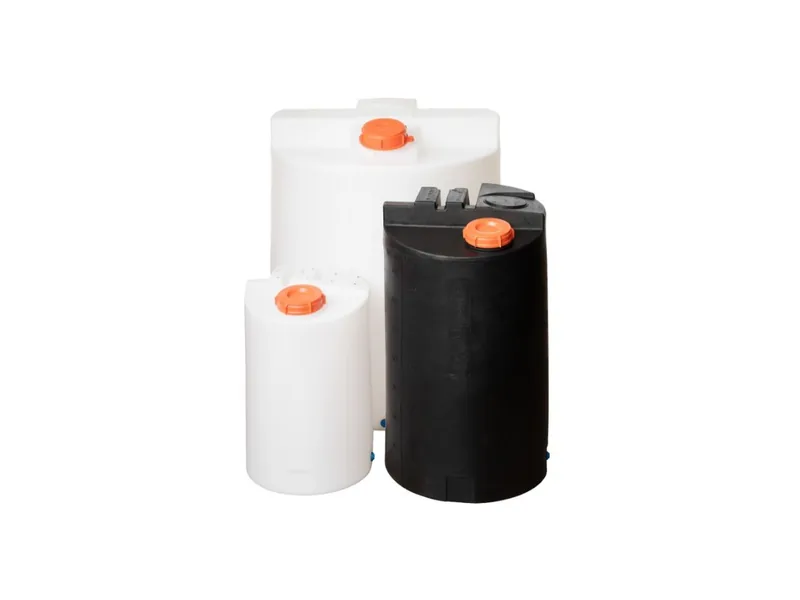
Figure 1: ProMinent dosing tank. Image source: ProMinent official website
- Date, shift, chemical name, and the strength in use that day, neat or made-down
- Start and end day-tank levels, plus any mid-shift refill and how much was added
- Stroke, frequency or external-signal setpoint, and the time the pump ran
- Treated-water or inlet-flow total for the same window, plus the process reading used to judge the dose
If the strength is wrong, every conversion after it will be wrong. For a solid, write kilograms weighed and litres of solution made. For a neat liquid, write the dilution ratio. The arithmetic is in how to calculate chemical dilution. Use the full product name, not a house code such as "Chem 1". A controller total is a useful cross-check, not the only number you trust.
Reconciling chemical consumption records with flow and tank drop
The mass or volume that left the tank should roughly match the dose implied by the pump settings. Divide that use by the water treated in the same period and you have a unit consumption figure. If those three numbers agree, the shift sheet can go into the chemical consumption records. If they do not, do not "true up" the spreadsheet so the month looks tidy.
Convert tank drop with the tank's real cross-section, not a guess from a sight-glass mark. If the level sensor is a submersible probe, confirm that the density correction still matches this batch; the pitfalls are in density correction on a submersible tank probe. A mid-shift refill must be added back, or the apparent use looks low.
Pump settings can be turned into an estimated flow from stroke length, stroke rate and run time. The method is in metering pump flow calculation. Treat that figure as an estimate, not a calibration. A ProMinent Sigma/X shows stroke and frequency on the panel, but copying those settings does not prove the tank lost that much product.
Use the flow total from the same hours, not a daily average stretched across one shift. Keep the unit consistent, and state whether you are reporting neat product or diluted solution. Arguments around chemical consumption records often start when one person reports kilos of neat chemical and another reports litres of weak solution.
Bring deliveries and tank inventory into the same close
The shift log answers how much was used. The inventory has to answer how much is still in the store and whether that stock matches what was received. Chemical consumption records that only watch the pump will miss a missed dose, a wrong tank, or a loss during unloading.
Receipts should be based on the weighbridge ticket, the tanker meter or a drum count at unloading and refill. Practical checks are in chemical unloading and tank refill. Opening stock, plus receipts, minus use at each injection point, should land close to closing stock. If the gap is large, look first for a tank that was never logged or a tanker that was not fully emptied.
Day-tank volume has to match daily use and the make-down cycle. An oversized tank barely moves its level, so chemical consumption records become dull; an undersized tank is refilled too often and the log starts to break. Sizing guidance is in how to size a dosing tank. If two pumps share one tank, the log has to split the use. For solids, keep bag weights and the finished solution volume as two entries.
When chemical consumption records will not close
A mismatch is common. What matters is a fixed order of checks, not rounding the sheet until the columns agree. Find the cause, then correct the source document. Do not change the number first.
Start with level and refill: a mid-shift top-up that never reached the book, or foam and crystals that make the level look high. Then look at the pump and pipework: loss of prime, a discharge leak, or a clogged strainer that cuts actual flow while the stroke sits where it was. Then check strength and units: a make-down still converted at the old strength, or neat and diluted product mixed in the same column. Then check the time boundary: the pump was still running at handover, or a weekend opening level was never carried forward.
Winter viscosity is easy to miss. The same stroke setting can move less product when the liquid thickens, and chemical consumption records then show "settings unchanged, tank falling slowly." Write the condition in the remarks. Before you open a tank or break a line on a corrosive or oxidizing chemical, depressurize and use the right protection. Do not crack a valve under pressure just to confirm a number.
If a metering pump such as a ProMinent unit is paced by a pulse water meter or an analog flow signal, the setpoint will move with plant flow. Record the control mode and the signal source, or the month-end close will look as if the pump changed its own setting.
Conclusion
Chemical consumption records work when the dose log, the tank level, the deliveries and the treated flow can be closed on the same shift. The log has to be reconstructable. When the numbers do not agree, check level, pump condition, strength and the shift boundary before you edit the sheet. Send us the chemicals, tank volume, pump control mode and the gap you cannot close, and we can review the log when you contact us for selection.
FAQ
Should chemical consumption records use neat product or the diluted solution?
Either basis is fine if the whole plant uses the same one and the heading says which it is. Receipts are usually clearer in kilograms of neat product; pump and level checks are easier in solution volume. Mixing the two is the most common error in chemical consumption records.
Can chemical consumption records be based only on pump stroke if there is no flow meter?
They can be estimated that way, but should not rest on the estimate alone. Pair stroke and frequency with run time, and check the result against tank drop. Close chemical consumption records against what actually left the tank.
If the tank was refilled mid-shift, can the level drop still go straight into chemical consumption records?
No. Add the refill back to the opening level, or log it as a separate refill line, then calculate net use. Miss one refill and that shift's chemical consumption records will run low.
How should use be split when two pumps share one day tank?
The total still comes from that tank's level and refills. Allocate each pump from its settings and run time, and note that the tank is shared. Get the total right in the chemical consumption records first.
If the controller total and the handwritten log disagree, which figure should be trusted?
Do not edit the log at once. Check for loss of prime, a leak, or a wrong meter range. When the two suddenly diverge, the equipment or the setting is usually the problem. Write down what you saw so chemical consumption records leave an audit trail.