
Submersible Level Transmitter in Chemical Tanks: Corrosion and Fouling
A submersible level transmitter can work well in a chemical day tank, but only if you deal with three things first. The liquid is heavier than water, so the reading needs density correction. Sodium hypochlorite, acids and strong caustic attack the sensor body and the cable jacket. PAC, ferric salts and caustic crystallize, and polymer solution coats the diaphragm. This guide is for engineers, buyers and maintenance teams fitting level measurement to dosing tanks, and it explains how to choose materials, how to install the probe, and when a non-contact sensor is the smarter choice.
How a submersible level transmitter measures level
The probe hangs near the tank bottom. A pressure diaphragm at its tip feels the weight of the liquid column above it, and the electronics convert that pressure to a 4-20 mA signal. Pressure equals density times gravity times height, so at the same level a heavier liquid produces a higher pressure.
A submersible level transmitter also has to cancel atmospheric pressure. Most units use a vented cable with a thin breather tube that connects the back of the diaphragm to the air above the tank. Crush the cable or let moisture into that tube and the signal starts to wander, a fault that is often blamed on the electronics.
Density compensation: the step most people skip
Factory ranges are usually set for water. PAC solution, sodium hydroxide and sulfuric acid are all denser than water, so an uncorrected submersible level transmitter reads high, and the error grows with density.
There are two simple fixes:
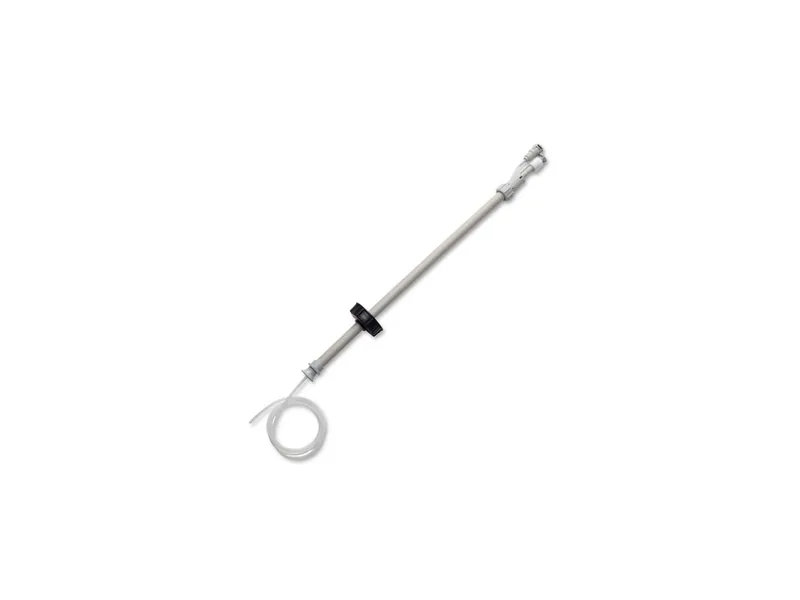
Figure 1: ProMinent suction assembly with float switch. Image source: ProMinent official website
- Enter the actual liquid density in the transmitter or the PLC scaling.
- Fill the tank to a known level once and back-calculate the correction factor.
The catch is that density can change. Batches of PAC are not always made to the same strength, and hypochlorite decomposes in storage. Where level accuracy drives inventory or dose calculations, check density periodically. For simple high and low alarms, generous margins are enough.
Corrosion: probe body and cable both have to survive
Sensor housing and diaphragm
A standard submersible level transmitter with a stainless housing and diaphragm handles water, PAC and polymer solution well in most plants. Hypochlorite is a different story. It pits stainless steel, hydrochloric acid is worse, and once liquid gets inside the probe the transmitter is finished.
For these chemicals, choose an all-plastic submersible level transmitter, typically a fluoropolymer housing with a ceramic diaphragm, or a model with a fluoropolymer coating. Give the supplier the chemical name, concentration and temperature and ask them to confirm compatibility in writing.
Cable jacket
The whole cable sits in the liquid, so the jacket matters as much as the probe. Ordinary PVC can harden and crack in strong oxidizers, and then the vent tube floods. For hypochlorite and concentrated caustic, specify a fluoropolymer jacketed cable. Clamp the cable at the tank opening so the mixer cannot whip it around and the lid cannot pinch it.
Crystals and polymer: the other enemy of a hydrostatic probe
PAC, ferric sulfate and caustic can crystallize on the probe and seal the pressure port. The reading freezes or drifts slowly. Thick polymer solution builds up layer by layer on the diaphragm with a similar effect.
What helps on site:
- Keep the probe slightly above the tank floor, away from the heaviest sludge and crystal layer.
- Avoid placing it right beside the mixer, where it will swing, but do not bury it in a dead corner either.
- Pull the probe and rinse it with clean water on a fixed schedule, and soak heavy deposits in a suitable cleaner.
- Prefer a flush diaphragm design with no small inlet holes to plug.
For high-viscosity polymer tanks, a submersible level transmitter is rarely worth the cleaning effort.
When a submersible level transmitter is the wrong choice
Ultrasonic and radar sensors never touch the liquid, so corrosion and crystals do not matter. They do need a clear view, which foam and mixer shafts can block. Magnetic level gauges and float switches suit local indication and alarms. Our guide to chemical tank level sensor selection: magnetic, float or ultrasonic compares them, and the article on sodium hypochlorite storage tank selection covers level issues on hypo tanks.
Whatever sensor runs the tank, give the metering pump its own low-level protection. ProMinent dosing tanks can be paired with suction assemblies fitted with a float switch, which signals the pump to stop or alarm before the tank runs dry. If the main level sensor fails, the pump is still protected from running dry and drawing air. For wiring and delay settings, see dosing pump low level alarm setup.
Installation tips that save callouts
Hang the submersible level transmitter vertically, ideally inside a perforated stilling pipe so the mixer cannot push it sideways. The pipe should extend below the probe with holes that let liquid circulate. Mount the junction box outside the tank in a dry spot and point the vent opening down so mist cannot creep in. Before pulling a probe for service, stop the pump, isolate power, and wear gloves and a face shield, because hypochlorite and acid splashes cause real injuries.
Conclusion
A submersible level transmitter is a reasonable chemical tank level sensor when the housing, diaphragm and cable are matched to the liquid, the reading is corrected for density, and cleaning is part of routine maintenance. For strong oxidizers pick all-plastic or fluoropolymer construction with a ceramic diaphragm. For heavy polymer or badly crystallizing liquids, go non-contact. Browse our level transmitter range, or send the chemical, concentration and tank size and contact our engineers for a recommendation.
FAQ
Can a submersible level transmitter measure sodium hypochlorite?
Yes, but not with a standard stainless probe. Use an oxidizer-resistant plastic housing, a ceramic diaphragm and a fluoropolymer jacketed cable.
Why does the level read higher than the real level?
Usually the density setting is still at water. The chemical is heavier, so pressure is higher. Correct the density value first.
The reading has not changed for days. Is the sensor dead?
Not necessarily. Pull the submersible level transmitter out and check for crystals or polymer on the diaphragm. A good rinse often brings it back.
Is a hydrostatic level sensor the same as a submersible one?
Submersible is one mounting style of hydrostatic measurement. A flange-mounted pressure transmitter on the tank wall works on the same principle.
Does a small day tank need a level transmitter at all?
Often not. A float switch for low-level pump shutdown is enough unless you need a continuous remote reading or consumption tracking.