
How to Size Dosing Tank Volume by Daily Use and Cycle
A day tank that is short on working volume pushes the day shift into extra batches and leaves the night shift staring at a low-level alarm. A tank that is oversized leaves chemical sitting for too long, so strength drifts, crystals form, or the product simply ages out. Dosing tank volume should be set from daily solution use and the make-down cycle, not from a catalogue size that "looks big enough." This article covers working volume only. It is not about whether the tank needs a mixer. It is written for engineers and plant staff who are specifying a dosing skid or replacing a tank.
Start dosing tank volume from daily use and the batch cycle
First convert daily chemical use into a solution volume. Take the mass of active product required per day, divide by the make-down strength, and you have the cubic metres of solution the plant will draw. That data set is the same one used for wider system sizing; the broader parameter list is in automatic dosing system selection parameters. This page does not redo the whole skid calculation.
Then fix the batch cycle: once a day, once per shift, or a day-shift batch that must last the night. A longer gap needs a larger dosing tank volume. A shorter gap allows a smaller tank, but only if the crew, or an automatic make-down system, can actually keep that pace. Many lists set dosing tank volume equal to one day's solution. That fails as soon as nobody is there to mix a batch overnight. A more reliable figure can be closed in four steps:
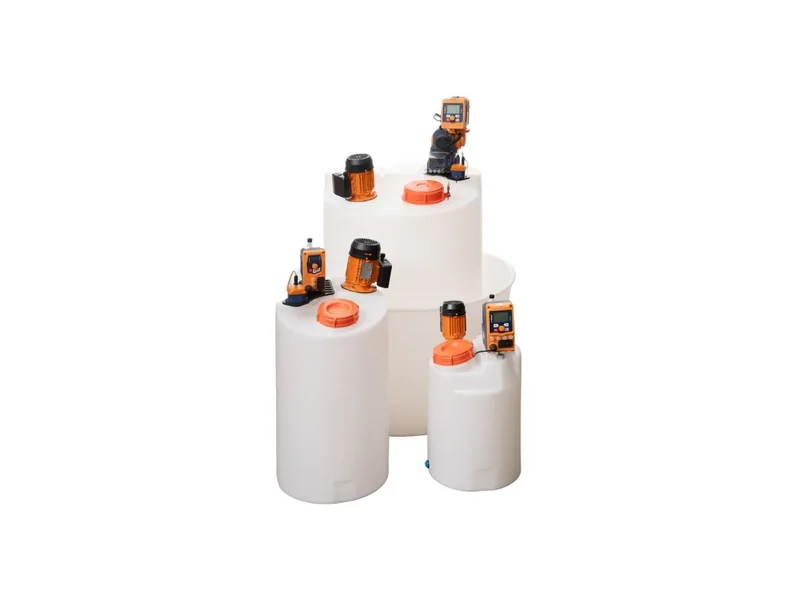
Figure 1: ProMinent DULCODOS eco dosing system. Image source: ProMinent official website
- Convert daily active use into daily solution volume.
- Multiply by the interval between batches, in days.
- Keep a low-level reserve so the night shift does not run dry.
- Subtract the unusable band at the top; that working band is the dosing tank volume you can actually turn over.
Nameplate litres are not working litres. A low-level cut-out and a high-level fill stop each consume a slice of the shell. The useful band sits above the suction nozzle and below the overflow. On a ProMinent day tank or a DULCODOS package, fold the published nominal size back to that working band before you issue the order. Do not treat the badge volume as the dosing tank volume you will actually turn over.
What goes wrong when dosing tank volume is too small or too large
If the tank is too small, the first field reaction is "we will just mix again." Make-down takes time. PAC is fairly quick; polymer still needs aging. A day crew already mixing two or three times will run out when inlet quality swings or the powder has taken up moisture. The pump then cycles on a low-level interlock, the suction line draws air, and the feed rate wobbles. Raising the make-down strength to "save volume" only pushes viscosity or crystals into the pump and the pipe.
If the tank is too large, residence time grows. A big batch of PAC or sodium hypochlorite made on a hot afternoon may have lost strength by late night. In an unheated room, a large volume also cools and can throw crystals. Footprint, foundation load and bund volume all rise with the shell. The idea that "two days in one batch is less work" simply moves the risk from labor onto product quality.
Unattended nights and weekends must be checked against the longest gap, not the weekday average. A cycle that works for an eight-hour day shift may not stretch from Friday afternoon to Monday morning. That window has to be inside the dosing tank volume, or the plant needs automatic refill, as discussed in automatic chemical tank refill.
Change the cycle, or change the make-down strength?
When dosing tank volume looks tight, plants often raise the strength so the same shell lasts longer. That only works if the pump can still draw the new cut and the line does not crystallize or go too viscous. The pump flow must be recalculated and calibrated. The other path is to add a batch, or to start level-controlled automatic make-down, and leave the tank in place. Compare both paths. Do not use strength as the only lever.
On a tank already in service, measure the true working level and back-calculate from a few days of actual make-down and level trends. That beats reading the nameplate. How volume is written alongside the mixer and the pump is covered in PAC dosing system specifications. Use that for the data sheet; use this page for the cycle and the daily draw.
Send daily active use, make-down strength, the number of batches you want per day and the longest unattended gap to us via contact, and we will check the dosing tank volume. Tank styles can also be compared on the ProMinent product page.
Conclusion
Dosing tank volume belongs at the point where daily use can cover the batch cycle and the working level still holds a reserve. Too small, and the crew is rushed and the pump sucks air. Too large, and the chemical sits, the footprint grows, and cold crystals become more likely. Calculate daily solution volume, close the number on the longest gap across day, night and weekend, then subtract the slices lost to high and low level. Strength can be trimmed, but it should not hide a cycle or a working volume that was never added up.
FAQ
Can I set dosing tank volume equal to one day's solution?
That is not a safe default. One day's volume only covers a plant that can mix every day, including while the pump is still drawing. If the night shift does not mix, or you want fewer weekend visits, size for the longest gap and keep a low-level reserve.
How much smaller is working volume than the nameplate?
There is no fixed ratio. It depends on suction nozzle height, overflow location and the level-switch settings. Some tanks lose a large share of the shell at the top and bottom. Order and accept the tank on the working band you can actually turn over, or the dosing tank volume will come up short after delivery.
If I raise the make-down strength, will the existing tank be enough?
Only if the pump and pipe can still handle the stronger solution. A higher strength cuts daily solution volume and eases turnover, but viscosity, crystallization and materials have to be rechecked, and the pump setting has to be converted. Do not treat a stronger cut as the only way to enlarge dosing tank volume.
Should the dissolving tank and the holding tank be sized as one number?
No. The dissolving tank follows batch size and dissolving or aging time. The holding tank follows feed rate and the refill interval. On a two- or three-chamber unit, adding the shells into one total can hide a feed chamber that is too small even when the overall litres look fine.
If the tank is already undersized, must I replace it?
Not always. Try more day-shift batches, or add automatic refill or automatic make-down to shorten the unattended gap. If those paths fail, replace the tank or add a holding tank. Recalculate daily use and cycle before you change the shell, or the new dosing tank volume will be tight as well.