
Can Calcium Hypochlorite Dosing Use a Metering Pump?
Calcium hypochlorite dosing can be done with a metering pump, provided the solid or tablet is dissolved, insolubles are allowed to settle, and only the clear supernatant is pumped. Do not pump a slurry, and do not feed dry powder into the pump. Check valves and injection valves will blind quickly. The difference from bulk sodium hypochlorite is not "whether you can add chlorine." It is the make-down step, the calcium that comes with the product, and a higher chance of scale and blockages in the line. This article is for operators at water, cooling-water or on-site chlorine make-down plants. It stays on dissolving, anti-clog practice and the pump. It does not compare hypochlorite generators, and it does not lay out plant chlorination points.
Dissolve first if calcium hypochlorite dosing is to reach a pump
Calcium hypochlorite usually arrives as granules, tablets or powder, with the available chlorine in the solid. A metering pump is built to move a solution, not a slurry or a dry feed. Stir the day tank until the particles are gone, then let it stand so calcium salts and fillers drop. Take suction only from the clear layer, and fit a strainer. If white residue or hard lumps collect on the floor of the tank, drain them on a schedule. Do not stir that residue back into the pump.
Do not make the solution richer than you need. A strong make-down leaves more undissolved matter and more later precipitation, and the pump and the pipe become harder to keep open. How to turn a solid into a solution is in how to calculate chemical dilution. Mix calcium hypochlorite dosing solutions for the shift or the day. After long storage the available chlorine falls, deposits grow, and the strength drifts from the original make-down.
Check these items before the pump is started:
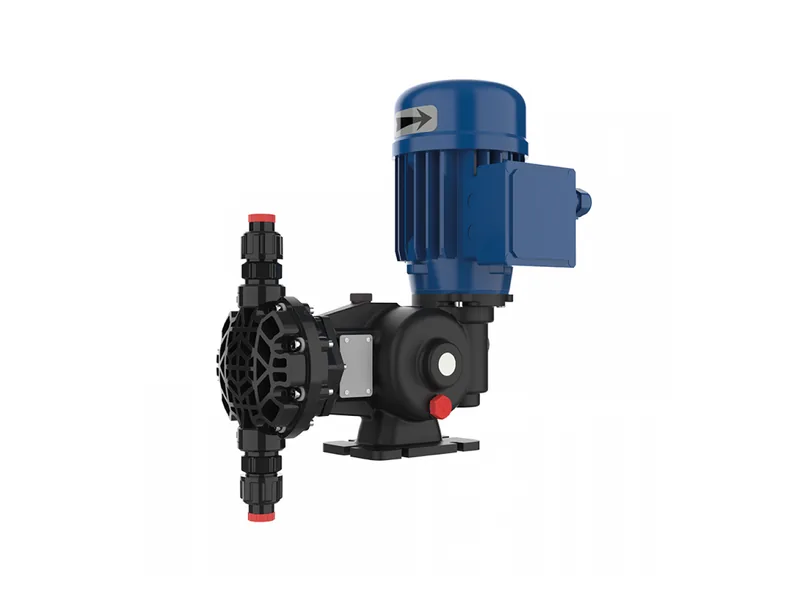
Figure 1: SEKO Spring MS1 mechanical diaphragm pump, PP head. Image source: SEKO official website
- The solid has broken down, with no obvious particles left in view
- The solution has been allowed to stand, and only the supernatant will be pumped
- The suction strainer is in place, and it is inspected and flushed each shift
- Bottom residue is drained separately and does not reach the pump or the injection valve
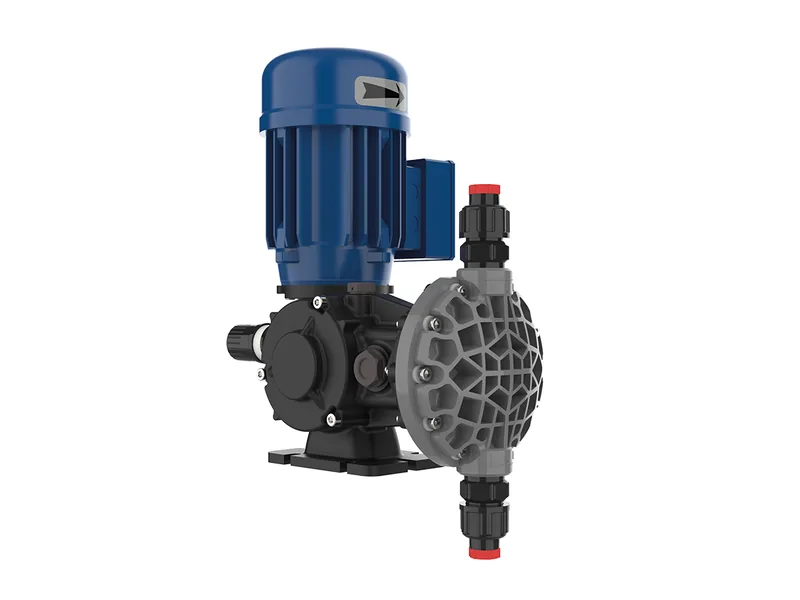
A mechanical diaphragm pump such as a SEKO Spring MS1 is often used for a mid-range continuous feed. The liquid end has to be chosen for an oxidizing chemical. The range is on the SEKO product page.
How calcium hypochlorite dosing differs from bulk hypochlorite
Bulk sodium hypochlorite arrives as a finished liquid. You fill a tank, meter it and inject it. The main line problems are off-gassing and scale. Calcium hypochlorite dosing adds a make-down step and brings calcium with it. If the dissolving water is hard, or the site water is hard, calcium scale builds on valve balls, strainers and injection valves. Flow falls slowly, and a valve may no longer seat. That is not a weak pump. The passage is narrowing.
Compared with bulk hypo, calcium hypochlorite is easier to store and to transport, and it suits sites that cannot get a steady liquid supply. The plant does, however, need space to dissolve, settle and discharge residue, and the operating steps are longer. How to choose between a hypochlorite generator and purchased bulk hypo is a different question, covered in sodium hypochlorite generator versus bulk hypochlorite. The point here is simpler: once you choose calcium hypochlorite, design for dissolving and anti-clog service. Do not copy a liquid-hypo tank and pump unchanged.
Where chlorine is applied in a water works, pre-chlorination versus post-chlorination is a separate layout question. That is covered in pre-chlorination and post-chlorination feed points. Calcium hypochlorite dosing can be used at those points, but the dissolving system and the injection line have to be designed on their own.
Stop crystals and scale from closing the line
The usual fault on calcium hypochlorite dosing is a blockage, not a motor that will not turn. Check valves, strainers, injection valves and low points in the pipe are the first places to look. Keep the discharge line short, with few bends, and provide a drain at low points. Flushing the head and the line with clean water before a long stop is far easier than chipping dry crystals off a valve seat later. Tank, pump and safety practice on a packaged hypo skid are in sodium hypochlorite dosing skid. For calcium hypochlorite you still have to add dissolving and residue discharge.
The head, diaphragm, valve balls and tubing have to be checked for oxidizing service. See chemical compatibility in dosing lines. Do not use an ordinary elastomer or an unlisted metal. The solution can release gas, so the suction line should not trap air, and the head may need to be vented. A very fine strainer that is never cleaned will simply starve the pump.
In winter, solubility falls, and the same make-down may not finish. Precipitation also speeds up. It is better to make a weaker solution more often than to run with crystals still in the tank. Before you open a valve or a pump, depressurize and wear protection. Do not break an oxidizing line under pressure.
Safety around calcium hypochlorite dosing is not ordinary make-down
Calcium hypochlorite is an oxidizer. Dust and solutions irritate skin, eyes and the airway. Provide ventilation and protection when you make down the tank, and do not tip large amounts of dry powder in a tight room. The most important rule is this: do not mix it with acids in the same tank or the same pipe. The mixture can release chlorine gas very quickly.
Collect spills as an oxidizing solid or solution, not by covering them with an ordinary organic absorbent. Keep tools for this chemical, and do not share buckets with reductants, oils or polymer make-down. Keep terminals dry, and keep solution off the motor and the wiring.
Conclusion
Calcium hypochlorite dosing can use a metering pump if the solid is dissolved and clarified, and if strainers, short lines, a shutdown flush and residue discharge are treated as routine. The difference from bulk hypochlorite is the make-down and the calcium scale, not whether chlorine can be applied. Send us the daily use, the hardness of the dissolving water, the planned injection point and the liquid-end materials you have, and we can look at the pump and the pipework when you contact us for selection.
FAQ
Can calcium hypochlorite dosing be done by feeding tablets or granules straight into the pipe?
Not with a metering pump. The pump can only move a clarified solution. Dry product or a slurry will jam valves and score the diaphragm. Dissolve the product in a day tank first.
Can calcium hypochlorite dosing run for a while without a strainer?
That is a poor idea. Even a "clear" liquor can carry fine solids, and the strainer is the last barrier. Without it, valve balls and the injection valve will foul sooner.
If the solution turns cloudy and the tank floor is white, can calcium hypochlorite dosing continue?
Stop first. Let the solids settle, or drain the bottom residue and pump only the clear layer. Stirring the tank and pumping anyway sends calcium solids into the pump. If a stored solution has gone cloudy, make a fresh batch rather than keep dosing at the old strength.
Can a pump that used to feed liquid hypochlorite be switched to calcium hypochlorite dosing?
The pump may still be usable, but you have to recheck the materials and add dissolving, settling, filtration and flushing. A liquid-hypo line often has no provision for residue. If you skip those steps, blockages appear quickly.
Can the same chemical line be used to acid-clean the pipe and for calcium hypochlorite dosing?
No. Acid and calcium hypochlorite together can release chlorine gas. Keep flush lines, drains and dosing lines separate, and confirm that a line is empty of residue before you change what it carries.