
Bioaugmentation Dosing: Activation, Feed Points and Shock
Bioaugmentation dosing is not the same as tipping a bag of dry culture into an aeration basin and walking away. Most products need to be activated first, then fed into an equalization tank or the front of the biological reactors, either as a continuous top-up or as a short shock after start-up or a toxic upset. A bad injection point, a chlorine residual, or a shared line with an oxidant will kill the culture before it reaches the biomass. This article stays on how bioaugmentation dosing should be activated, where the quill belongs, and when to use continuous feed versus a shock. It is not a nitrogen or phosphorus supplement recipe. Carbon-source feed is a different duty, covered in carbon source dosing with glucose.
Why bioaugmentation dosing has to start with activation
Activation means taking a freeze-dried or concentrated inoculant and, following the product sheet, bringing it back to a workable liquid with the stated water, temperature and soak time. Some products also ask for gentle aeration or stirring so the culture leaves the dormant state before it enters the process. If you broadcast dry powder over a basin, part of it clumps and floats, and part is swept to an overflow or into the sludge before it ever disperses. The log may say the dose was added. The amount of live culture that actually entered the system is much less certain.
Do not activate with water that still carries a chlorine residual, with recently disinfected effluent, or with water that is clearly too acidic, too alkaline or well outside the stated temperature range. The make-down tank should be clean, with no leftover biocide, hypochlorite or strong acid or caustic. Once the culture is activated, feed it promptly. Do not make it down in the evening and pump it the next morning. After a bag is opened, reseal it and store it away from light, moisture and heat; storage practice is in chemical storage for dosing. A large share of bioaugmentation dosing failures is already decided at this step.
Where the feed point for bioaugmentation dosing should sit
The injection point for bioaugmentation dosing should be a place where the culture can survive and then move quickly into the biological reactors. A common layout is the back end of the equalization tank, or the inlet to an anoxic or aerobic basin. If the equalization tank is also used to adjust pH, confirm that pH is already inside the window the culture can tolerate, and do not park the bacteria quill next to a strong-acid or caustic quill. Equalization-tank pump layouts are in equalization tank dosing pumps. That article is about pH and nutrient feed, which is not the same line as the inoculant.
Do not inject into a disinfection tank, a contact tank, or a reuse line that still holds residual chlorine. Do not inject at the inlet of filter-press filtrate or a hot condensate return; temperature and toxicity will kill the culture. The quill should sit in the main flow so the liquid is carried away and diluted, not hung at the surface. If the basin has a heavy oil film or a thick foam layer, deal with the surface first, then resume bioaugmentation dosing, or the culture will sit on top of the liquid.
Continuous feed or a shock for bioaugmentation dosing
For day-to-day maintenance, continuous bioaugmentation dosing is the more stable choice: after activation, a metering pump feeds a modest flow through the shift or the whole day. The aim is to replace what is lost or dies off, not to fill the basin in one pour. A short shock is for start-up, a toxic hit, a sudden load increase, or a clear drop in effluent quality. Raise the dose for a limited period, then return to a continuous maintenance rate.
Choose the mode in this order:
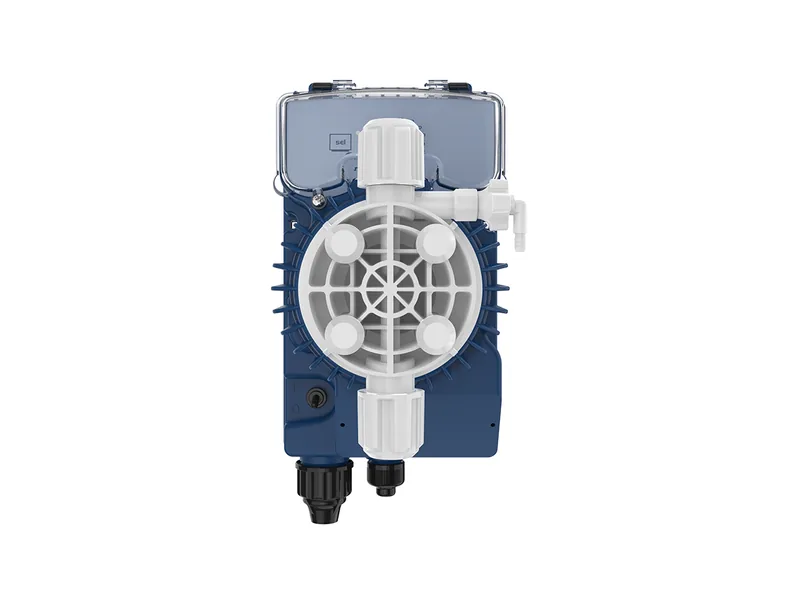
Figure 1: SEKO Tekna AKS solenoid diaphragm metering pump. Image source: SEKO official website
- If effluent is acceptable and you are only maintaining the system, use a low continuous feed.
- If the plant is starting up, has been poisoned, or has just taken a sharp load increase, use a short shock to rebuild the culture.
- After the shock, return to continuous maintenance. Do not leave the high shock rate running for weeks.
A shock is not a bag of culture dumped into the pump suction. Activate first, then use the pump to feed the volume evenly over a few hours or a shift or two. Judge bioaugmentation dosing by effluent quality, odor, sludge appearance and foam, not by whether the stroke is wide open. Change only one operating setting at a time, and write down influent swings and the feed mode, or you will not know whether the culture did the work or the load simply eased.
How to set up the pump for bioaugmentation dosing
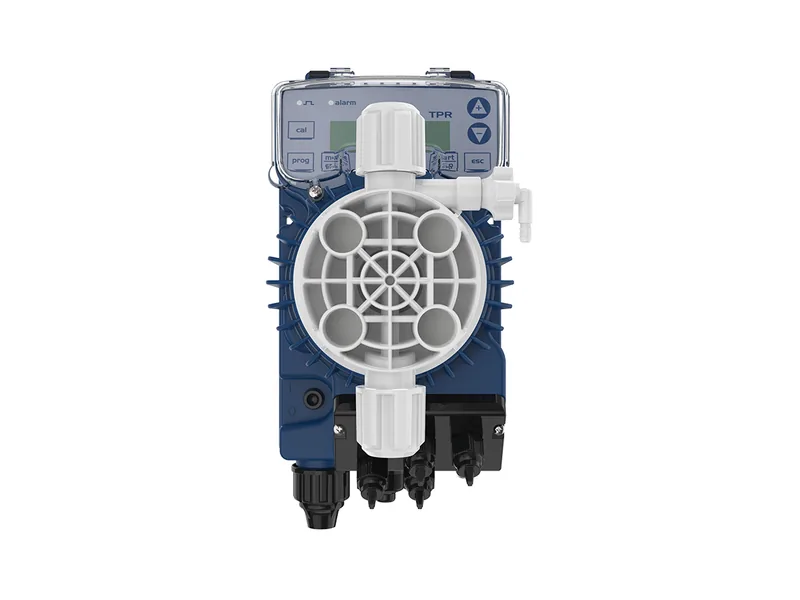
Activated culture is usually a dilute water-based liquid and can be fed with a solenoid diaphragm metering pump. SEKO Tekna TPR and Tekna AKS pumps are a common choice for these modest flows where frequency is adjusted during a trial. Check the wet-end and seal materials against the pH and any additives in the product; do not assume "it is mostly water, so any head will do." Product pages are on SEKO and the metering pump category. Send the daily volume, the activated batch size and the injection location, and we can check the pump selection.
For bioaugmentation dosing, keep the pipe short, drainable and flushable, and do not share an unisolated header with sodium hypochlorite, hydrogen peroxide or another oxidant or biocide. Residue in the line will kill the next batch. Size the day tank to the activation batch; it is better to have a little spare volume than to make down several days of culture and drip it in slowly. Stir only enough to keep the liquid in suspension. High mixer speed is not required and can be unkind to some preparations.
Conclusion
Bioaugmentation dosing should start with activation, then feed into the equalization tank or the front of the biological reactors, away from disinfection and residual chlorine. Use continuous feed for maintenance, and a short shock only for start-up or an upset, then switch back. Keep pumps, pipe and tanks off any oxidant line, and judge the result by effluent, sludge and odor, not by stroke alone. Send the water flow, the feed points you have now, and whether pH is adjusted in the same tank, and we can review the metering pump flow and injection location.
FAQ
Can we pour dry powder into the aeration basin for bioaugmentation dosing?
Most products say no. Dry powder clumps and floats, and the amount of live culture that enters the system is uneven. Activate as directed, then feed with a pump so the dose can be controlled.
Should bioaugmentation dosing run every day, or is an occasional shock enough?
Continuous feed is the more stable choice for day-to-day maintenance. A shock is only for a short period after start-up, a toxic event or a sudden load change. When that period ends, return to continuous maintenance.
Can the same pump dose the culture and a carbon source or an acid or caustic?
We do not recommend it. Residue in the head and the tubing can kill the culture or pull pH out of the window. For bioaugmentation dosing, the inoculant, the carbon source and the pH chemicals should each have their own pump and line.
Can the injection point sit at the secondary clarifier or just before disinfection?
That is a poor primary location. The culture needs time to enter the biological reactors and grow. Fed at the clarifier or just before disinfection, it is likely to be wasted or killed by residual chlorine. Prefer the equalization tank or the inlet to the biological stage.
How long can activated culture sit before we pump it?
Follow the product sheet. In the field, the safer habit is to feed the batch soon after activation, not to make it down and leave it overnight. Keep the tank clean, and do not use chlorinated water for make-down when you are doing bioaugmentation dosing.