
Pre-Chlorination and Post-Chlorination Feed Points
Pre-chlorination, intermediate chlorination and post-chlorination are three different jobs, not three names for the same tap. Pre-chlorination goes on the raw-water or pre-coagulation side, where it can take on algae, ammonia, iron and manganese, or assist coagulation. Post-chlorination goes after the filters or into the clearwell, where it holds the residual that leaves the plant and travels in the network. Intermediate chlorination usually sits after settling, just before or just after filtration, to control filter biology and to take pressure off the pre-chlorination dose. A plant can run all three, but each point has its own task. Put the dose in the wrong place and disinfection by-products climb, or the residual collapses in the far mains. This article is for process and controls staff who are placing taps, not calculating a hypochlorite strength.
Where pre-chlorination belongs, and what it is for
The usual pre-chlorination point is the raw-water inlet, the inlet well, or the line just ahead of coagulation. When the source carries algae, earthy tastes, iron or manganese, or a load of ammonia, pre-chlorination can deal with that stretch first, and it sometimes helps the coagulant. Because the contact time is long, the effect is clear. The cost is just as clear: organic matter in the raw water is oxidized at the same time, and trihalomethanes and related by-products have more opportunity to form downstream.
When the raw water is rich in organics, do not park the entire plant chlorine dose on pre-chlorination. Cut that feed and move the main disinfection load to a point after settling or after the filters. High ammonia that has to be taken out at breakpoint is a dose-calculation problem; that subject is about quantity, not location. The pre-chlorination quill should sit in the main flow, away from dead pockets and away from the sample tap, or the local concentration spikes and the analyzer reading lies.
How intermediate and post-chlorination share the work with pre-chlorination
Intermediate chlorination is commonly applied on settled-water outlets, at the filter inlet, or as a small trim just after the filters. Settling has already removed some organics and solids, so a dose here makes fewer by-products than the same pre-chlorination dose, while still suppressing biofilm on the media and slowing headloss growth. Many plants lower pre-chlorination and let the intermediate point carry filter-side disinfection for exactly that reason.
Post-chlorination is the source of the leaving residual. The usual taps are the filtered-water line or the clearwell inlet; some plants add a second trim after the clearwell so the residual leaving the works stays steady. The clearwell has to provide enough contact time, and the sample should be taken from mixed water, not beside the quill. A long network that loses residual at the ends needs a margin at the plant outlet. Do not create that margin by pushing pre-chlorination hard; the by-products will arrive first.
The equipment difference between gas chlorine and hypochlorite is covered in liquid chlorine vs sodium hypochlorite dosing. The path from storage to the tap is in sodium hypochlorite dosing system process for water treatment plants. Strength and pump sizing belong in drinking water chlorination with sodium hypochlorite and are not repeated here.
How pre-chlorination points must work with sample taps and analyzers
A chlorine feed point and a residual or pH sample point have to be separated. After pre-chlorination, or after any later dose, the water needs a mixing and reaction distance before the analyzer can represent the real residual. A probe beside the quill reads high, the pump cuts back, and the clearwell and the network actually run short. Wiring a residual, ORP or pH instrument to the pump is covered in pH, ORP and chlorine analyzer control of a dosing pump. Instruments and related feed equipment are listed under chlorine analyzers.
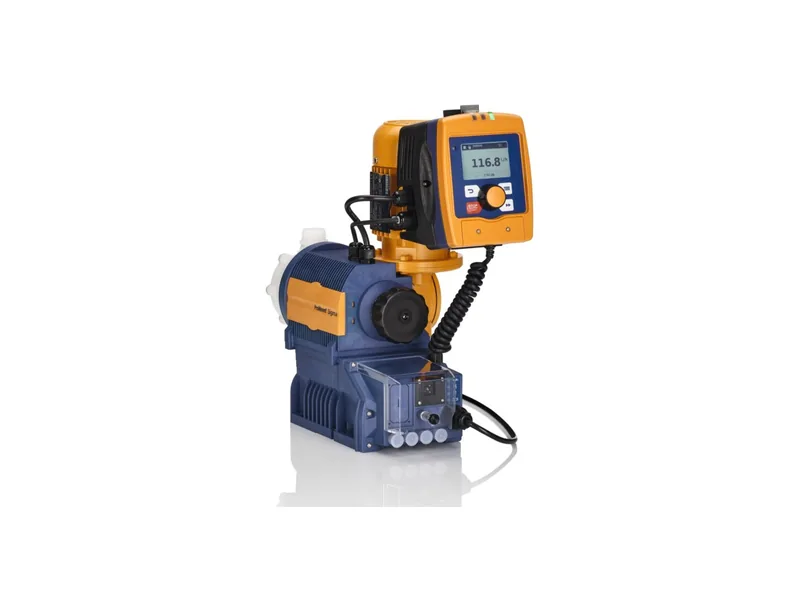
A ProMinent control-type motor-driven pump such as the Sigma X can follow a residual signal, which suits continuous feed at more than one chlorination point. See the ProMinent brand page. Gas-chlorine systems are laid out around pressure and leak detection; hypochlorite systems have to deal with off-gassing, return lines and materials. In both cases, depressurize before you open a line, wear eye and chemical protection, and keep the chlorination room ventilated.
Where several points are in use, each chemical line and each quill should isolate on its own, so one process area can be taken down without killing the others. If pre-chlorination is cut or stopped, check that the intermediate and post points still carry the load. Closing one valve is not the end of the job.
When to cut pre-chlorination and move the dose downstream
In seasons when raw-water organics are high and disinfection by-products tend to rise, the first move is to reduce pre-chlorination and shift necessary oxidation and disinfection to the settled-water side. A relatively clean source that only needs a residual in the network can sometimes run a weak pre-chlorination feed, or none, and lean on post-chlorination, with the intermediate point as a standby. If filters slime up and need frequent backwash, the intermediate point is usually not optional. Change one location at a time and watch filtered water, the clearwell and the leaving residual, so a problem can be traced.
Conclusion
The three feed points have distinct jobs:
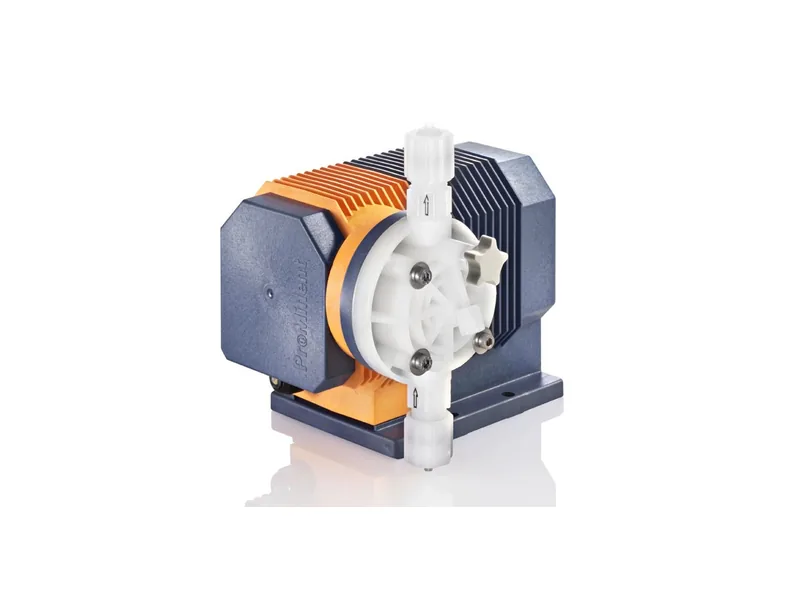
Figure 1: ProMinent Alpha motor-driven metering pump. Image source: ProMinent official website
- Pre-chlorination handles raw-water oxidation and, where needed, coagulation support
- Intermediate chlorination handles the filters
- Post-chlorination holds the residual that leaves the plant
The three can run together, but the duty and the location of each must stay distinct, and sample taps must sit away from the quills. When organics are high, moving dose downstream is safer than maxing out pre-chlorination. Send the process train, the existing taps, the chemical in use and the residual target through the contact page, and we will turn those pre-chlorination and later feed points into a layout and pump control scheme you can build.
FAQ
Can a plant run post-chlorination only, with no pre-chlorination?
Yes, if the raw water is clean and there is no algae, iron or manganese load. If the source is algal or carries ammonia, or if oxidation is needed for coagulation, post-chlorination alone is usually too late, and the settlers and filters feel it first.
Is earlier always better for pre-chlorination?
No. Earlier means more contact time, and also more chance to form by-products. When raw-water organics are high, pre-chlorination should be later and lighter, with the main disinfection load after settling or after the filters.
Can intermediate chlorination replace post-chlorination?
Not completely. Intermediate chlorination is there for the filters. The leaving residual still needs a post-filter or clearwell dose, or the far end of the network will go to zero.
Can the residual analyzer sit next to a pre-chlorination quill?
No. Leave a mixing and reaction distance, or the reading will run high and the pump will cut the feed. Sample mixed water, not the jet from the quill.
Are the feed points the same for gas chlorine and hypochlorite?
The process locations — pre-chlorination, intermediate, post — can be the same. The equipment and the safety provisions are not. Gas chlorine is about vaporization and leak detection; hypochlorite is about off-gassing and materials. Set the points together with the chemical.