
Sodium Hypochlorite Generator vs Bulk Hypochlorite
A sodium hypochlorite generator makes a relatively dilute solution on site from salt, water, and power, and you use it as it is produced. Bulk or delivered hypochlorite arrives at a higher commercial strength, sits in a storage tank, and is then pumped onward. Both routes still need a metering pump to feed the process. The real choice is where the chemical comes from, how you store it, and which risks you watch every day. This article is for plant and utility staff deciding between a sodium hypochlorite generator and purchased product. It does not lay out chlorination feed points, and it does not calculate a dose.
What a sodium hypochlorite generator actually changes
Electrochlorination lives on salt, power, acceptable feed water, and cell maintenance. A sodium hypochlorite generator usually produces a lower strength than commercial bleach, so the storage volume can be smaller and the product spends less time sitting, which helps limit decay. You do have to provide softening or other pretreatment, a rectifier, hydrogen venting, and periodic acid cleaning or cell replacement. Purchased product skips that generating plant. Day-to-day work is unloading, storage, and feed. If the haul is long, deliveries are irregular, or available chlorine falls quickly in a hot tank, operators end up chasing the stroke.
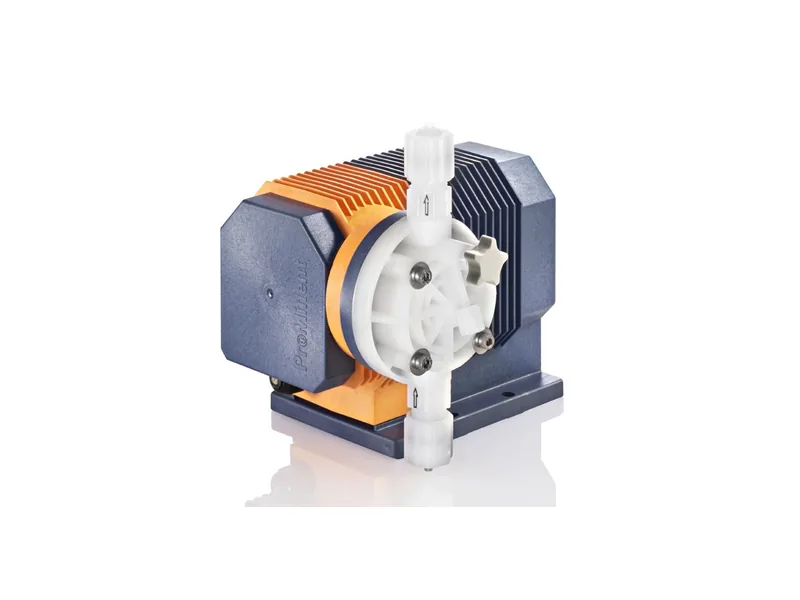
On either path the pump head must be chosen for an oxidizing fluid. Hypochlorite off-gasses and can crystallize. Keep the suction short and use an oxidation-resistant wet end; see sodium hypochlorite dosing pump selection. Tanks need to be kept dark and vented; see sodium hypochlorite storage tank selection. Skid layout is covered in hypochlorite dosing skids. ProMinent diaphragm metering pumps with oxidation-resistant heads are common on this duty; compare them on the ProMinent brand page and the metering pump category.
When a sodium hypochlorite generator wins, and when bulk is simpler
High daily use, a long haul, awkward tanker access, or unstable delivery cycles make a sodium hypochlorite generator easier to justify. Salt is simpler to move and to store than commercial bleach, the product is made dilute and used promptly, and you avoid keeping a large high-strength tank. Low daily use, an existing hazardous-chemical delivery route, and a wish to avoid electrolysis and hydrogen venting all point to purchased product, which is also easier for a small crew to run.
Look at a few more constraints. If power is tight, or you cannot treat hardness and impurities in the feed water, a sodium hypochlorite generator will be hard to keep stable; do not install one just to "make the chemical yourselves." If the chemical room is tight and you do not want the leak and decay risk of a high-strength tank, a generator can cut the stored volume. A site with a ready salt supply usually finds the salt route easier than tanker bleach.
Do not decide on the apparent chemical price alone. A sodium hypochlorite generator has to carry salt, power, cell maintenance, pretreatment, and hydrogen venting. Bulk bleach has to carry delivery frequency, decay in storage, and product that expires or is dumped. Those duty facts sit closer to real operating cost than a single delivery ticket.
Decay, hydrogen venting, and feed-water quality
The usual bulk-bleach failure is summer decay. Operators open the pump stroke and never measure the tank strength. The feed looks "enough," but it swings, and batches do not match. Mixing a fresh load with decomposed heel in the tank speeds the loss. The usual generator failure is hard or dirty feed water. The cell scales, output falls, and the unit looks faulty when pretreatment was the missing piece.
These points are easy to skip when the two routes are compared:
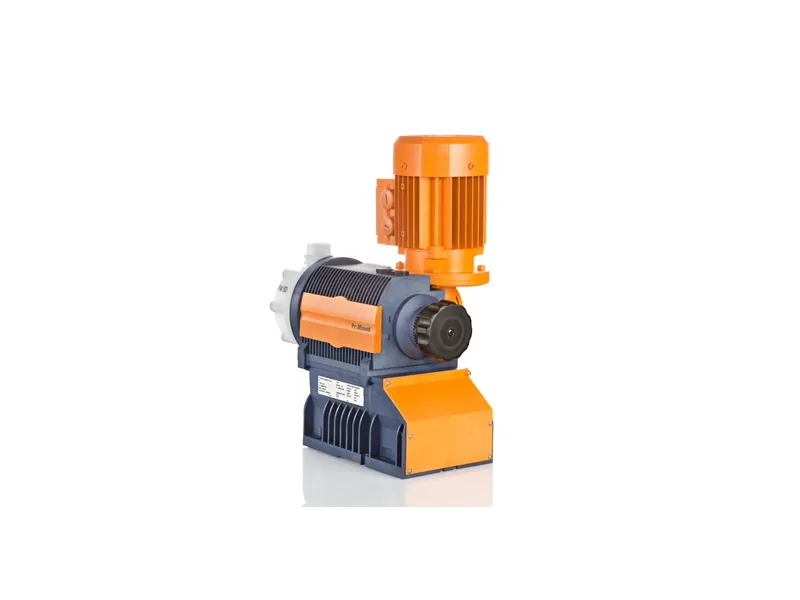
Figure 1: ProMinent Sigma 1 basic motor-driven metering pump. Image source: ProMinent official website
- Electrolysis produces hydrogen. The generator room needs its own ventilation and explosion-risk thinking; it is not a standard dosing shed.
- Output from a sodium hypochlorite generator can vary. The downstream metering pump still has to be calibrated on measured available chlorine. Do not assume that production equals use.
- Both routes need to deal with gassing. Vent the pump after a stop, and keep high loops out of the suction line.
- Do not tee dilute generator product and concentrated bulk bleach into one unmarked manifold. The strength difference will make the feed unmanageable.
Depressurize and isolate power before you open a head or empty a tank, and wear protection. A hypochlorite leak can release irritating gas; do not "neutralize" a spill with acid. If the hydrogen vent on a sodium hypochlorite generator fails, stop the unit and ventilate before anyone uses an open flame or a non-rated tool in the room.
After you choose, how the pump and tank should sit
If you install a sodium hypochlorite generator, you still need a metering pump and a modest buffer tank to absorb output swings. Do not hard-pipe the generator outlet to the process. If you buy bulk product, the focus is tank volume, turnover days, darkness, and cooling. Size the pump on daily use and the peak-to-low swing, and keep the normal stroke in the middle of the range. On either path, sample available chlorine and set the stroke from the measurement, not from a falling level alone.
Conclusion
A sodium hypochlorite generator fits high use, difficult transport, and a wish to cut high-strength storage risk. Purchased product fits low use, stable logistics, and a wish to avoid cell maintenance. Both routes need an oxidation-resistant pump head, plus attention to gassing, decay, and safety. Have daily use, haul distance, tank conditions, power, and salt supply ready, then contact us for a pump check on whether a generator or bulk supply is the better fit, and how the pump and tank should be paired.
FAQ
If I install a sodium hypochlorite generator, do I still need a metering pump?
Yes. The generator is the source of the chemical. The metering pump is how you feed it to the process on flow or on a command. Output will vary, and demand will vary. A buffer tank plus a pump is more stable than a direct generator outlet.
Bulk bleach is losing strength quickly. Should I switch to a generator?
Not as the first move. Check storage: darkness, tank temperature, turnover, and whether old product is being mixed with new. If you still cannot get reliable deliveries, or the haul is genuinely too long, then evaluate a sodium hypochlorite generator. Replacing a whole electrolysis plant just because summer decay is high is often not the nearest step.
What feed water does electrochlorination need?
Hardness and impurities scale the cell and cut output. Most generators need softening or similar pretreatment. Salt quality matters as well. Raw water will make product in the short run and a maintenance problem later. Follow the equipment maker's limits; do not copy another plant's numbers.
Can a generator and bulk bleach share one feed pump?
You can switch temporarily, but do not mix the two strengths in one tank or one manifold. Flush and recalibrate the stroke after a change. If both sources will be used for a long period, meter them as two separate lines.
Can hydrogen venting be added after a generator is started?
No. Electrolysis produces hydrogen, and room ventilation and detection belong with the main installation. If the vent is unavailable or in alarm, stop the sodium hypochlorite generator. Do not keep producing.