
Sample Conditioning System for Online Analyzers: Filter, Reduce, Cool
When an online analyzer gives unstable readings, the fault often sits upstream of the instrument. A sample conditioning system has four jobs: remove particles and debris, bring pressure down to what the analyzer accepts, control temperature, and get rid of entrained bubbles. This article is aimed at engineers and operators in water treatment and power plant steam-water systems. It explains how to choose each stage and in what order to arrange them. Line sizing, velocity and lag time are covered separately in analyzer sample line design.
Why online analyzers need a sample conditioning system
Without a sample conditioning system, every sensor and flow cell is exposed. Each has limits on particle size, inlet pressure and temperature. Real samples rarely respect them. Wastewater carries grit and fibers, cooling water carries algae and rust, and boiler samples arrive hot and under pressure.
Skip analyzer sample conditioning and the symptoms are familiar: plugged lines in colorimetric analyzers, abraded or coated electrodes, leaking flow cells and readings that wander whenever the sample temperature changes. A sample conditioning system stops these problems before they reach the instrument.
Filtration: Y-strainer, self-cleaning or cross-flow?
Filtration is the most common stage in a sample conditioning system, and the wrong choice can be worse than none.
Y-strainers are simple mesh screens that stop larger particles. They suit reasonably clean pipe water with occasional rust flakes. The weakness is manual cleaning; forget it and the sample stops.
Self-cleaning filters use back-flushing or a scraper triggered by time or differential pressure. They fit dirty, continuous-duty points such as cooling water or raw water intakes.
Cross-flow filtration sends the sample parallel to a membrane. Most of the flow sweeps particles away and only a small stream permeates to the analyzer. The surface keeps scouring itself, so it resists clogging and suits colorimetric analyzers that need a very clear sample.
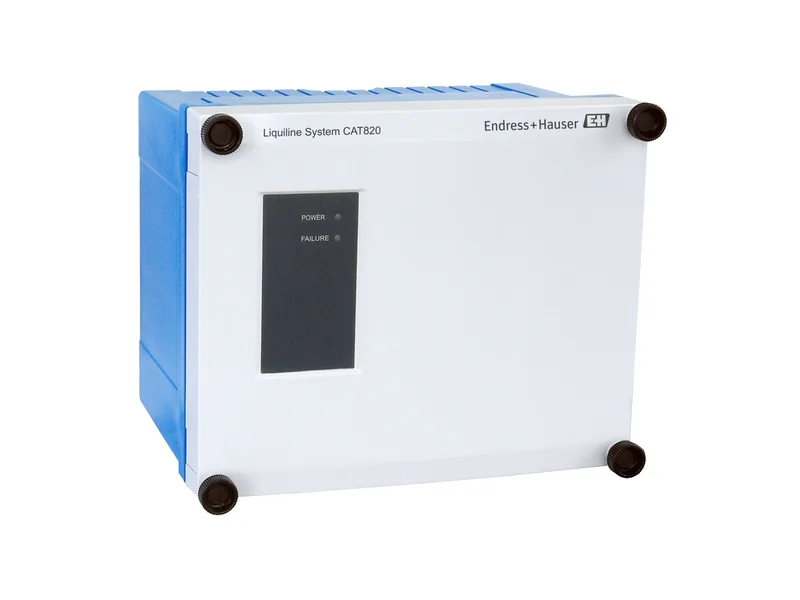
Wastewater plants also place the filter directly in the basin. The Endress+Hauser Liquiline System CAT820 is an in-situ filtration sampling system; its official page lists aeration basins, plant outlets and surface waters as applications, with an optional back-flush function and tool-free filter element replacement.
A trap people miss: filtration changes what you measure. Total phosphorus, COD, suspended solids and turbidity all include a particulate fraction, so filtering them reads low. Confirm whether the method calls for a raw or filtered sample before you add a filter.
Pressure reduction in a sample conditioning system
Many flow cells accept only near-atmospheric or low pressure. Connect them straight to a pressurized line and you get seal leaks at best and a cracked cell at worst.
A typical pressure stage in a sample conditioning system includes:
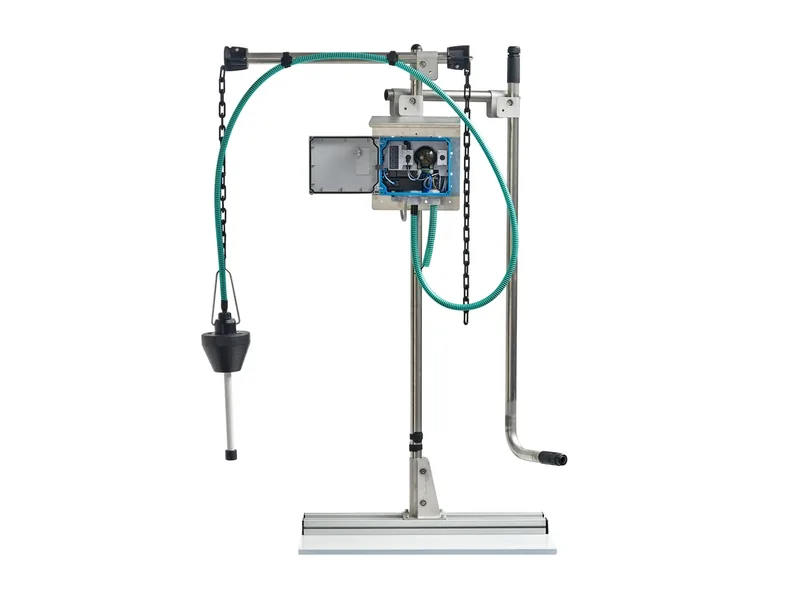
Figure 1: Endress+Hauser CAT820 in-situ filtration unit on its holder. Image source: Endress+Hauser official website
- A pressure-reducing valve to bring the sample within the analyzer's rating
- A gauge after the regulator so rounds can confirm stable pressure
- A relief valve where regulator failure could overpressure the cell
- A constant-head overflow cup for analyzers sensitive to pressure swings
Set the flow after the regulator as well. Too much flow wastes water and can draw in bubbles.
Sample conditioning system cooling: cool before reducing pressure
Feedwater, boiler water and condensate samples need a sample cooler. The usual rule in a sample conditioning system is cool the sample before you reduce pressure. Dropping pressure on hot water makes it flash to steam downstream of the valve, which erodes the valve and ruins the measurement.
After the cooler, sample temperature still follows the cooling water temperature. Conductivity, pH and silica measurements are all temperature sensitive, so demanding applications add a constant-temperature unit. If cooling water fails, sample temperature climbs quickly, so fit over-temperature protection that shuts the sample off before it damages sensors. The wider steam-water context is in steam-water sampling and dosing.
Safety note: before working on hot, pressurized sample lines, close the isolation valves, let the line cool and vent it, and wear heat-resistant gloves and eye protection.
Degassing: the usual source of reading spikes
Bubbles cause spikes and bias in turbidity, dissolved oxygen and conductivity readings. They come from three main places: gas released after pressure reduction, samples drawn from aeration basins or drops, and air leaking into a sampling pump suction.
In a sample conditioning system the fix is usually a degassing vessel or debubbler that holds the sample long enough for bubbles to rise and vent. Feed flow cells bottom to top with the outlet high so bubbles leave with the flow. Spike troubleshooting follows the same logic as turbidity meter reading fluctuation.
Arranging the stages in a sample conditioning system
A common order is: sample valve, cooler (hot samples only), pressure-reducing valve, filter, constant-temperature unit, degassing vessel, flow cell or analyzer, then drain. Cool, low-pressure water may need only filtration and degassing.
Provide bypasses and drains around each stage so it can be serviced alone. Once the sample conditioning system is running, add filter differential pressure, post-regulator pressure and sample temperature to the inspection sheet. That is far easier than waiting for an analyzer alarm. General mounting guidance is in analyzer installation and flow cells.
Conclusion
A sample conditioning system is built around four tasks: filtration, pressure reduction, cooling with temperature control, and degassing. Choose a Y-strainer, self-cleaning filter or cross-flow filter by solids load, and avoid filtering parameters that include particulates. Cool hot samples before reducing pressure, stabilize temperature for sensitive measurements, and add a degassing vessel where bubbles appear. Browse online water quality analyzers, then send the sample source, pressure, temperature and parameters and contact our engineers for a conditioning layout.
FAQ
Does every online analyzer need a sample conditioning system?
No. A cool, low-pressure, clean sample may need only a simple filter. Full conditioning is for hot, pressurized, dirty or gassy samples.
Is finer filtration always better?
No. Very fine filters clog quickly, and parameters such as total phosphorus, COD and suspended solids lose their particulate fraction and read low. Match filtration to the analyzer and method.
What happens if sample cooler water fails?
Sample temperature rises fast and can damage sensors or distort readings. Over-temperature protection should shut the sample off automatically.
Pressure after the regulator keeps fluctuating. What should I check?
Check whether inlet pressure swings widely and whether debris is lodged in the regulator seat. For pressure-sensitive analyzers, add a constant-head overflow cup downstream.
How often should analyzer sample conditioning equipment be serviced?
There is no fixed interval; it depends on how dirty the sample is. Watch filter differential pressure, regulated pressure and sample temperature, and inspect as soon as one drifts.