
Analyzer Sample Line Design: Velocity, Lag Time and Sample Loops
Good analyzer sample line design delivers a sample that is both fresh and unchanged. Fresh means the transport lag from tapping point to sensor is short. Unchanged means nothing settled out, no bubbles formed, and nothing was absorbed by or reacted with the tubing on the way. You get there with sensible tube size and velocity, the shortest practical route, and a fast loop with a proper return or drain. This article is for instrument and process engineers at design firms and for site technicians handling retrofits.
Choosing the tapping point and sample valve is covered in our guide to chemical dosing sampling points. Here we pick up from there with analyzer sample line design for the run between the tap and the analyzer.
Where sample transport lag time comes from
Lag is roughly the internal volume of the sample line divided by sample flow, plus flow cell exchange time and the sensor's own response time. Longer lines, bigger bores and lower flows all add delay.
A quick illustration: double the tube diameter at the same length and the internal volume goes up about four times, so at the same flow the lag does too. Plenty of sites oversize the tubing to stop it plugging and then wonder why the analyzer always lags the lab.
Lag hurts dosing control more than anything. In a closed chlorine or pH loop, the analyzer reports water that passed the tap minutes ago. The controller adjusts the metering pump on old data, overdoses, sees it late, cuts back too far, and the dose oscillates. Good analyzer sample line design therefore includes a lag estimate handed to whoever tunes the controller.
Analyzer sample line design: tube size and sample velocity
Diameter and velocity pull against each other. Small bore and high velocity mean short lag but more pressure drop and a higher plugging risk. Large bore and low velocity resist plugging but add lag, and solids settle along the bottom.
A practical approach:
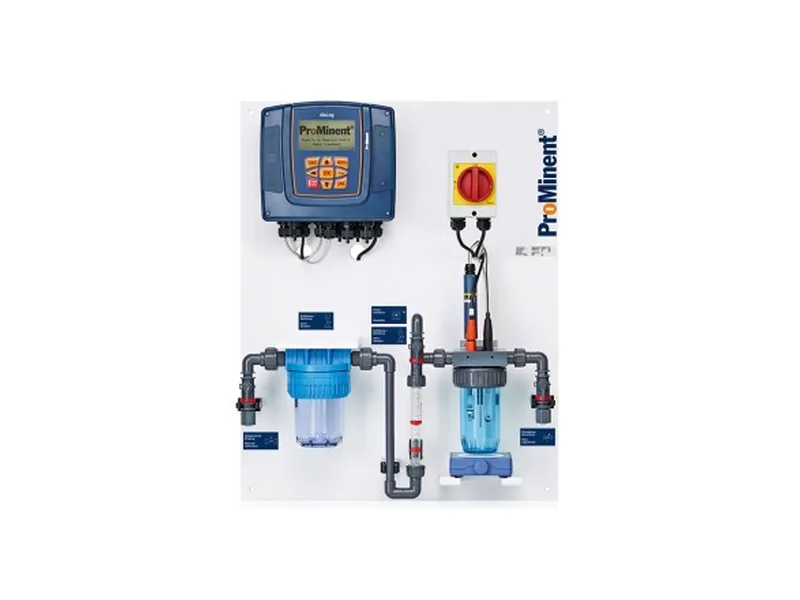
Figure 1: ProMinent DULCOTROL waste water measuring panel. Image source: ProMinent official website
- Clean samples such as potable, cooling or pure water: small bore for velocity, shortest route.
- Samples with suspended solids such as raw water or wastewater: somewhat larger bore, but keep velocity high enough that particles stay suspended, adding a sample pump if needed.
- Match tubing material to the measurement. Avoid materials that consume oxidant on a chlorine line, and avoid materials that leach or adsorb on low-level measurements.
In analyzer sample line design, set velocity so solids do not settle, biofilm does not take hold and lag stays acceptable. Work back from the analyzer maker's sample requirements.
Fast loop sampling and sample loop return
When the line is long and the analyzer only takes a small flow, use a fast loop. A high-flow loop pulls sample quickly from the tap to a point near the analyzer, a small side stream feeds the flow cell, and the rest returns to the process or goes to drain. Lag is set mainly by the fast loop, so it can be kept short.
Return or drain depends on the sample. Potable and cooling water can usually return to a lower-pressure point in the system. Analyzer drains containing reagents, or sample with dosed chemical, must not go back into a clean water system. The return point must sit at lower pressure than the tap or the loop will not flow.
Preventing plugging and bubbles in analyzer sample line design
Plugging. Tap from the side of the pipe, not the bottom, to avoid sediment. Minimize bends and use long-radius ones. Add flushing connections so the line can be back-flushed. On algae- or silt-laden samples, fit a cleanable strainer, remembering that it adds lag and needs routine cleaning.
Bubbles. Do not tap from the top of the pipe. Route the line downward or level toward the analyzer so no high points trap gas, and fit a vent at any unavoidable high point. Gas comes out of solution under suction, so put the analyzer on the pressure side of any sample pump. Bubbles hit chlorine, dissolved oxygen and turbidity readings hardest; see chlorine analyzer inaccurate for related checks.
Analyzer sample line design for long runs
Distance magnifies everything: more lag, biofilm growth, temperature effects on the reading and, outdoors, freezing. The best fix is to move the analyzer closer rather than stretch the tubing. If that is impossible, use a fast loop, insulate and heat-trace outdoor runs, and include the sample line in the flushing schedule.
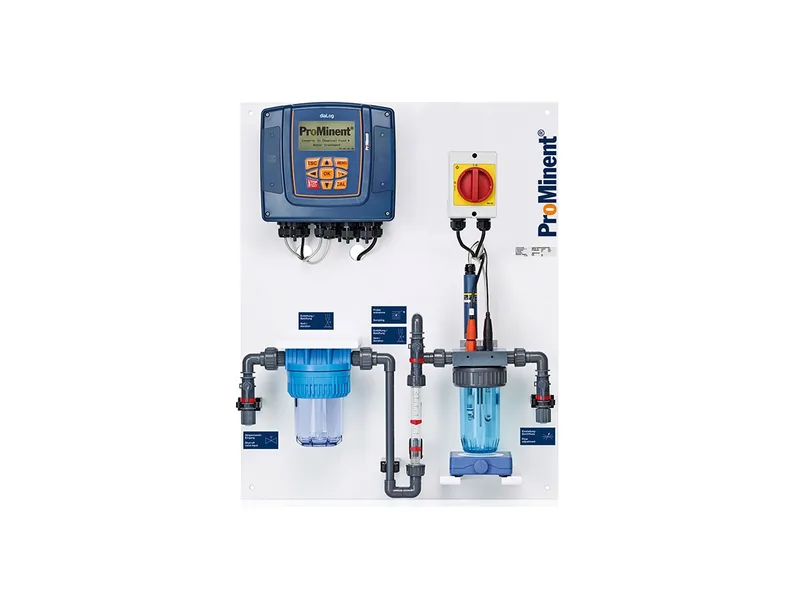
At the end of the line, the sample enters the analyzer's measuring cell. The ProMinent DULCOTROL waste water panel, for example, is a panel-mounted measuring and control system installed in a bypass of the main line, with the sample flowing through an integrated fitting and the controller sending its output to the metering pumps. The inlet flow and pressure that such a panel needs are exactly what the sample line has to supply. For how that analyzer signal drives a pump, see pH and chlorine controller dosing pump wiring.
Conclusion
Analyzer sample line design balances two goals: get the sample there fast, and get it there unchanged. Size tubing and velocity by sample type, use a fast loop on long runs, send reagent-laden sample to drain, tap from the side, avoid gas traps, provide flushing points, and pass the calculated lag to the controls engineer so the dosing loop does not oscillate. Browse our water quality instruments or ProMinent panel systems, then send us the run length, sample type and dosing point, and contact our engineers to check the design.
FAQ
What lag time is acceptable in analyzer sample line design?
There is no single number. Closed-loop dosing needs it as short as practical, while monitoring-only points can tolerate more. The key is to calculate it and tune the controller to match.
Is galvanized pipe acceptable in analyzer sample line design?
It is not recommended. Zinc reacts with the sample and skews chlorine and pH, and corrosion flakes can plug the line.
Can the sample go straight to a floor drain?
Clean sample can return to the process or drain. Analyzer waste containing reagents should be collected and treated according to local rules.
Where should the sample pump go?
Arrange it so the sample passes the analyzer on the pressure side, which reduces degassing. Put a cleanable strainer ahead of the pump.
Why do readings trail the lab despite careful analyzer sample line design?
Usually the line is too long or too large for the flow. Shorten the route, reduce the bore or add a fast loop.