
Turbidity Meter Reading Fluctuating: Bubbles and Fouling
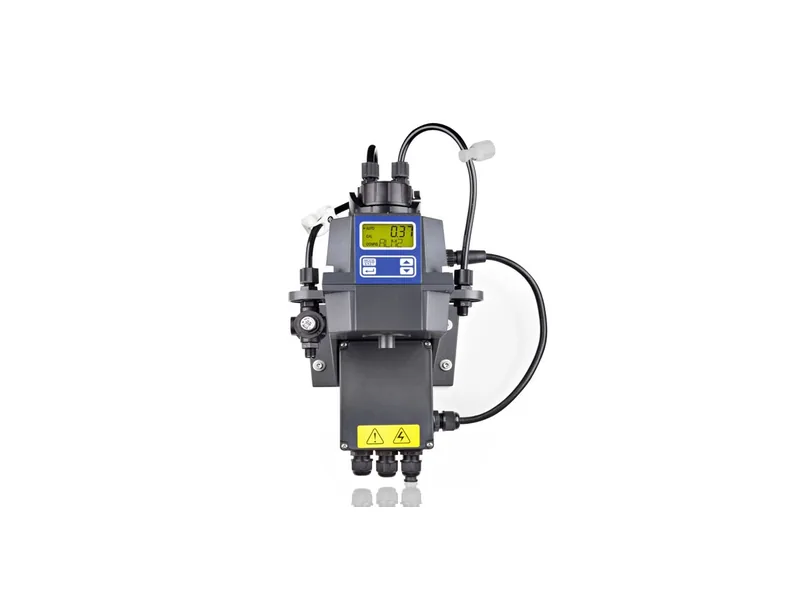
A turbidity meter reading fluctuating should first make you look for bubbles in the sample, then for a dirty flow cell, unstable flow, a lamp or stray-light change, and particles that settle on the window. Turbidity is a light-scatter or light-attenuation measurement, so a single bubble through the beam will spike the value. This article is a field check for instrument technicians. Applications are covered in turbidity monitoring in water and wastewater, and general probe care in online analyzer calibration and electrode maintenance.
If a turbidity meter reading fluctuating starts, stabilize bubbles and flow first
Bubbles are the most common reason for a turbidity meter reading fluctuating. Gas comes out of solution on a rising sample line, at a pump suction, or when the water warms. Typical fixes are a downhill or fully flooded sample line, a bubble trap or degasser, and a little back pressure so gas leaves before the optical cell. Keep flow inside the manual's range. A flow that hunts will throw particles and bubbles through the beam together.
A thin, long, or leaking sample line will also pull air. Retighten fittings and, on a clear tube, watch for a string of bubbles. When raw river turbidity is itself moving and coagulant dose is moving with it, do not treat every change as a turbidity meter reading fluctuating fault. PAC dose on river water is discussed in PAC dosage for river-water clarification.
Fouling, the lamp, and settled solids
Slime, oil or scale on the cell windows raises the baseline and can make the reading wander or only climb. Clean the windows as the manual allows, and do not scratch the optical surface with a hard tool. An aging lamp or a shifted optical alignment can also unsettle the reading; check it on the maintenance interval rather than only doing a zero.
Solids that settle on a window or in a dead zone, then wash off, show up as intermittent jumps. A slightly higher velocity or a better drain on the cell helps more than another calibration. Stray light through a loose cover, or direct sun, can create a "jumps by day, steady by night" pattern. Close the light shield properly.
ProMinent's DULCO turb C is an online turbidity meter line described on the official turbidity pages. On any brand, if degassing, steady flow and cleaning are missing, a turbidity meter reading fluctuating will be hard to kill.
A practical order of checks
When you see a turbidity meter reading fluctuating, walk this list:
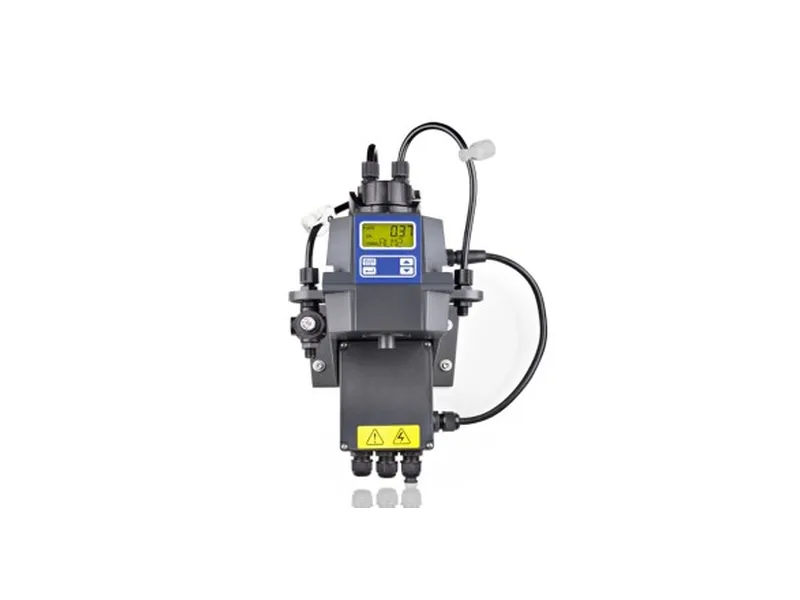
Figure 1: ProMinent DULCO turb C online turbidity meter. Image source: ProMinent official website
- Look for visible bubbles in the cell, leaks in the sample line, and whether the degasser and back pressure are actually working.
- Confirm that flow is steady and in range.
- Inspect and clean the windows if they are dirty or coated, then compare again.
- Block sunlight and stray light, and confirm the cover is seated.
- Check against a standard or a lab turbidity measurement to separate a drifting zero from real changes in the water.
- If it still jumps, inspect the cable, supply and transmitter, and see whether chemical feed or inlet turbidity is moving at the same time.
Stop the sample and depressurize before you open the cell, so water does not spray the electronics. Dirty or wastewater samples need protection and a proper drain.
After a season change or a rain event, a turbidity meter reading fluctuating may simply be the water. Increase lab checks first, and only then open the instrument. Calibrating through a real turbidity event can leave the zero worse than you found it.
Keep a short log of cleanings and of any change to back pressure or degassing. The next time a turbidity meter reading fluctuating appears, you can see whether the last fix was undone. That record saves a lot of repeated guesses.
On a raw-water line, location matters as much as the meter. A sample taken right at a pump discharge or a drop will be full of bubbles and a messy velocity, so a turbidity meter reading fluctuating becomes the daily normal. If you can move the tap, choose a flooded, quieter point and then add degassing. If you cannot move it, over-specify the trap and the back pressure, and accept more frequent cleaning than on filtered water.
Standards used for calibration have a shelf life. An expired or contaminated standard will make a healthy meter look faulty. During calibration the cell must be free of bubbles, or you will bake a turbidity meter reading fluctuating into the coefficient. After the calibration, watch the live sample for a while to see whether the jumps actually fell.
Operators sometimes chase a turbidity meter reading fluctuating by changing the averaging time in the menu until the trace looks pretty. That can hide a real bubble problem and also hide a true turbidity event that the process needs to see. Fix the sample first; use damping only as a last, documented step.
Conclusion
A turbidity meter reading fluctuating usually starts with bubbles, flow and a dirty cell, then the lamp, stray light and settled solids. Degass, steady the flow, clean the windows and shield the optics before you change a calibration coefficient. See the controllers and analyzers page and the ProMinent page. Send us the sample conditions, the meter model and a trace of the jumps, and contact our engineers to judge a piping issue versus a cleaning or parts change.
FAQ
I fitted a degasser and the turbidity meter reading fluctuating is still there. What next?
Check whether the degasser is clogged, whether it sits upstream of the cell, and whether the sample line still leaks. A degasser is not a fit-and-forget part.
After cleaning, the reading dropped a lot. Is the meter broken?
Not necessarily. A dirty window raises the baseline, so a lower reading after cleaning is expected. Confirm with a standard or a lab test.
It is steady at night and jumps during the day. Why?
Look at sunlight and stray light first, then at larger daytime changes in dose or inlet water. Tighten the light shield before you replace parts.
How often should the cell be cleaned?
It depends on the water. Raw water and wastewater need frequent cleaning; filtered water can go longer. Use visible fouling and the start of drift as the signal.
Can a lab turbidimeter be used to check the online meter?
Yes, if the grab is taken and measured promptly, without letting particles settle or bubbles enter the lab sample, which would make the comparison itself a turbidity meter reading fluctuating story.