
Ultrapure Water Conductivity: Bubbles and Carbon Dioxide
On reverse-osmosis permeate, a mixed-bed outlet or electronic-grade water, conductivity is already very low. A little dissolved carbon dioxide will lift the reading clearly. Many sites mount the probe in an open beaker or at the end of a long hose, and then bubbles and air make ultrapure water conductivity look as if the system were leaking ions. The water may still be clean; the measurement is not sealed. This note is for instrument and high-purity technicians. It explains bubbles, carbon dioxide and the flow cell. Meter selection is in online conductivity meter selection. Compensation is in conductivity temperature compensation.
Why air and bubbles raise ultrapure water conductivity
Pure water has almost no ions. Carbon dioxide from air forms carbonic acid and the conductivity rises quickly. An open sample cup, a flow cell that was not vented, or a leaking fitting is a typical path. A bubble sitting on the electrode can make the reading jump or change the effective cell constant. Ultrapure water conductivity must be measured online in a closed, full, vented flow cell. Do not pour the water into air and then measure it.
Flow should be steady. Too little flow leaves a dead volume and a second contamination; too much can entrain air or scour the cell. Sample lines should be short and made of a low-leaching material. PVC is not always acceptable at a pure-water point. Cell constants are usually small, and the mounting should let bubbles escape rather than pocket them above the electrodes.
A ProMinent DULCOTEST conductivity sensor used on a process stream still needs a suitable flow cell. Do not share an open calibration bucket between a pure-water point and a concentrated chemical probe. If the display is in resistivity, remember that it is only the reciprocal of conductivity. The measurement problems are the same. If the pure-water system needs a small chemical dose, a sanitary diaphragm pump such as a LEWA ecodos can be used on a separate line so concentrated chemical cannot leak into the sample.
Temperature compensation and where to take the sample
Ultrapure water conductivity is sensitive to temperature. Accurate compensation is required, usually to a 25 °C reference. The coefficient is not the same as for a strong brine. Do not copy a cooling-water coefficient into a pure-water meter. The temperature element and the conductivity cell must sit in the same water, or ultrapure water conductivity will appear to follow the room temperature.
Place the point close to the process you want to watch: a mixed-bed outlet, an RO header or a point of use. Long runs add leaching and dead water, so a high reading at the use point does not automatically mean the treatment plant has failed. Separate points are needed to split a plant problem from a piping problem.
Checks of calibration and cell constant must follow a grade-appropriate standard or the maker’s procedure. Do not soak a low-constant cell in ordinary KCl as if it were a concentrated-service probe and then forget to rinse. Residual salt will keep ultrapure water conductivity high for a long time.
A field list for ultrapure water conductivity
Use these checks during installation or troubleshooting:
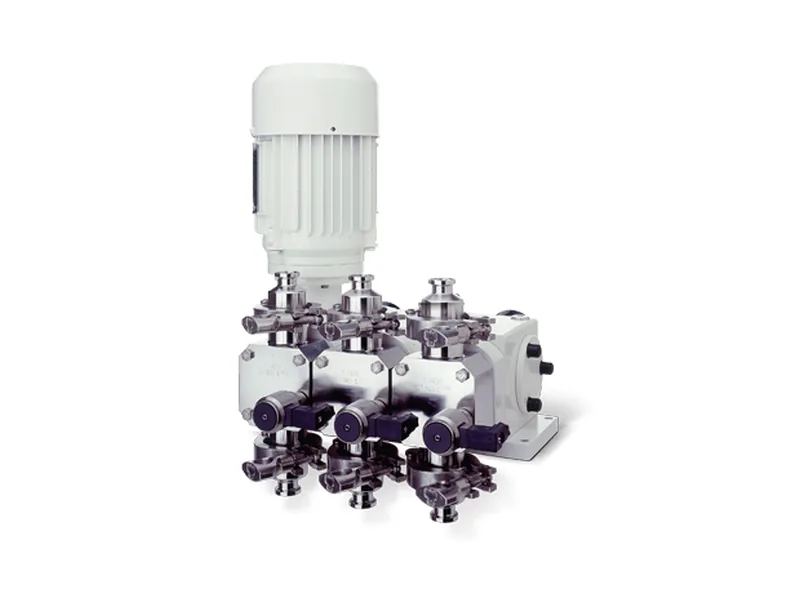
Figure 1: LEWA ecodos sanitary. Image source: LEWA official website
- Is the flow cell closed and full, is the vent working, and are fittings keeping air out?
- Are the sample-line length, material and velocity suitable for pure water?
- Is temperature compensation on, with a pure-water reference and coefficient?
- When the reading rises, does a sealed portable measurement rise with it, or is only the online point drifting?
- Are the cell constant, cleaning and the last verification still valid?
Do not copy cooling-water practice directly. The contrast is visible in conductivity monitoring for cooling water cycles. Brand pages are on ProMinent.
If the reading climbs, look for air in-leak before you change resin or membranes
A slow rise in ultrapure water conductivity is often a leaking cell, an open cup or dissolved carbon dioxide. Mixed-bed exhaustion or a drop in RO rejection comes after that. Make a sealed comparison measurement before you regenerate or replace resin. Blowing air through the lines will also lift the reading.
A portable meter used on an open beaker is only a rough check. It should not be used to overrule a sealed online measurement. Records should state how the measurement was made.
At night or over a weekend, when use is low, water sitting in a long run often reads higher than it does under continuous flow. Flush and then read again before you decide the treatment plant has actually deteriorated. New fittings that were not rinsed can leach for several days after a shutdown. Do not replace resin on the same day unless a sealed comparison confirms a real ionic rise.
After you fit a new cell, flush it with acceptable pure water until the reading returns near the baseline before you put it on watch. A probe left in air after unpacking can pick up carbon dioxide and salt mist, so the first hours of ultrapure water conductivity may look high. That is not automatically an ionic leak in the plant.
Conclusion
Ultrapure water conductivity should be measured in a closed, full flow cell, away from bubbles and carbon dioxide in air, with the temperature compensation set correctly. When the reading rises, separate an air leak from a true change in water quality. Send the treatment process, the sample point and the current meter, and contact us so we can review the flow cell and the compensation settings.
FAQ
Can I measure ultrapure water conductivity in a beaker?
Only as a rough look. Carbon dioxide will raise the reading quickly. It will not represent a sealed online value.
The bubble leaves after a moment. Can I ignore it?
No. A bubble that keeps returning to the electrode can trip a control or an alarm. Change the mounting or add a vent.
Is conductivity or resistivity more common on pure water?
Electronic-grade and ultrapure loops often use resistivity. RO permeate often uses conductivity. They convert to each other; the measurement care is the same.
Can I switch temperature compensation off?
No. Uncompensated ultrapure water conductivity will follow temperature and is easy to misread as a quality change.
How often should the flow cell be cleaned?
It depends on fouling. Even on pure water, seals and windows can hold gas or a film. Inspect on the maker’s interval, and check the cell first if the reading rises without a process reason.