
Blue-Green Algae Sensor vs Chlorophyll Sensor for Source Water
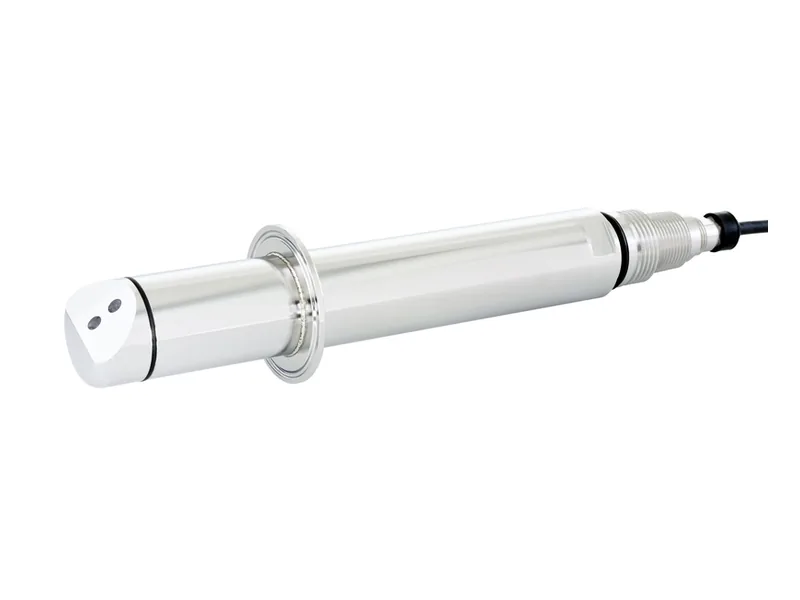
Reservoir and lake intakes get nervous every late summer. Filters clog faster, taste and odor complaints come in, and coagulation stops behaving. The short answer for early warning: a blue-green algae sensor reads phycocyanin, a pigment found only in cyanobacteria, while a chlorophyll sensor reads chlorophyll a, which every alga carries. Install both at the same point, watch trends and the ratio between them, and set alarm levels from your own lab results rather than numbers borrowed from another utility. This guide is for treatment plant operators and the engineers who lay out intake monitoring.
How a blue-green algae sensor and a chlorophyll sensor work
Both are fluorescence probes. A light source sends a specific wavelength into the water, pigment inside the algal cells absorbs it and re-emits light at a longer wavelength, and a detector measures that glow. Within a working range, the signal rises with pigment content.
Chlorophyll a is excited with blue light and fluoresces in the red. Green algae, diatoms and cyanobacteria all contain it, so a chlorophyll sensor tells you roughly how much algae is in the water overall.
Phycocyanin is an accessory pigment specific to freshwater cyanobacteria and is excited with orange-red light. A phycocyanin probe, which is what most suppliers mean by a blue-green algae sensor, tracks that group alone. Cyanobacteria are the group that can produce toxins and earthy or musty odor compounds, which is why source water teams care about them most.
Reading the two signals together
A chlorophyll reading on its own cannot tell you which algae are growing. A spring diatom bloom can push it high without the same risk profile as a cyanobacteria bloom. A blue-green algae sensor on its own misses the overall biomass picture. With both channels on the same transmitter, watch for:
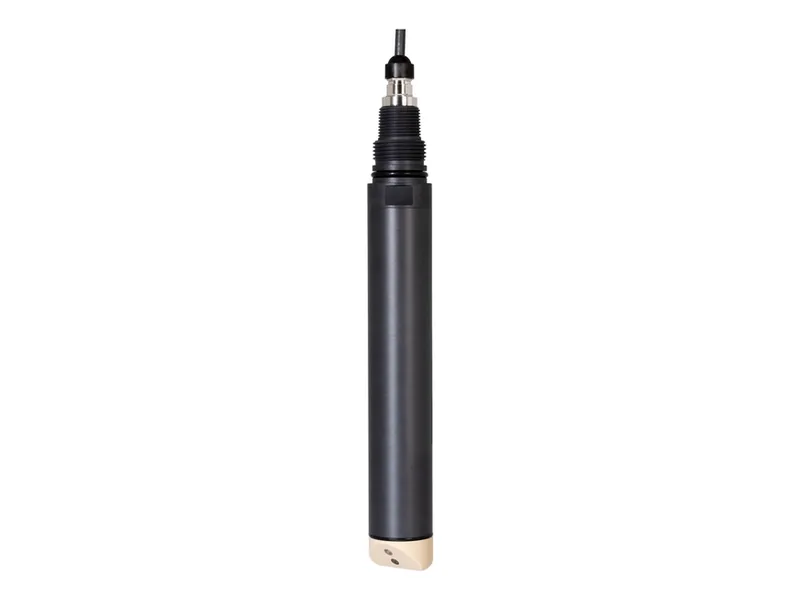
Figure 1: Endress+Hauser Turbimax CUS52D turbidity sensor, plastic housing. Image source: Endress+Hauser official website
- The daily and weekly trend of chlorophyll, which shows total algal growth
- A phycocyanin reading that sets new highs several days in a row
- A rising phycocyanin-to-chlorophyll ratio, which often means the community is shifting toward cyanobacteria
Some manufacturers put the blue-green algae sensor and the chlorophyll channel in one multiparameter sonde; others sell single-parameter probes. Either works as long as the data lands on one time axis.
Setting algae alarm levels for a source water intake
Operators often ask what reading should trigger the alarm. There is no universal figure. The probe reports relative fluorescence units or a pigment equivalent, and the link to cell counts under a microscope shifts with species, season and cell size. A sound sequence:
- Log several weeks of probe data while the lab runs cell counts or extracted chlorophyll on matching grab samples, and build your own correlation.
- Define watch, alert and action levels, each tied to a task such as more frequent sampling, a jar test, or a process change.
- Add a rate-of-change alarm on top of the absolute value.
- After each algae season, review false alarms and missed events and adjust.
Tie every alarm level to lab data. Skip this step and the blue-green algae sensor either alarms all day or stays silent when it matters.
Interferences that fool algae monitoring
Turbidity is the big one. After heavy rain, suspended particles scatter the excitation light and block part of the fluorescence, so readings can swing high or low. Put a turbidity measurement at the same point, for example an Endress+Hauser Turbimax CUS52D turbidity sensor on the same transmitter. When turbidity and the algae channels jump together, suspect interference before biology. Our overview of online turbidity monitoring in water treatment covers that measurement.
Sunlight raises the background on buoy or shallow installations, so readings climb by day and fall at night and look like a real diurnal cycle. Fit a light shield or mount deeper. Warm water tends to lower fluorescence yield, so summer readings need caution if the transmitter has no temperature correction. Biofilm and bubbles on the optical window cause slow drift; a probe with an automatic wiper saves a lot of manual cleaning.
Cyanobacteria also float. On calm afternoons they collect near the surface, and wind mixes them back down. A blue-green algae sensor set only at intake depth can miss a surface scum. Where possible, run one buoy point near the surface and one near the intake. A flow cell in the pump station works too, but keep it dark and keep the sample line short so cells do not settle on the way.
Linking alarms to pre-oxidation and coagulant dosing
Treat the blue-green algae sensor as a trigger, not as a proportional control signal for a dosing pump. The relationship between algae reading and required chemical dose is not linear or stable enough for that.
A practical routine: when the alert level is reached, the lab runs a jar test to decide whether to change the coagulant dose and whether to start pre-oxidation or powdered activated carbon. Operators then adjust the feed and watch settled and filtered water. For how coagulant dose follows raw water changes, see adjusting PAC dose when river turbidity changes.
One warning. Strong oxidants can rupture cyanobacteria cells and release toxins and odor compounds into the water, which makes them harder to remove. The choice of oxidant, dose and injection point belongs to the process engineer and the jar test, not to a high probe reading alone.
Conclusion
A blue-green algae sensor tracks cyanobacteria, a chlorophyll sensor tracks total algae, and the two together, read as trends and as a ratio, give a source water intake a useful early warning. Calibrate alarm levels against your own lab data, deal with turbidity, sunlight, temperature and window fouling at installation, and let alarms start sampling and jar testing before anyone changes the process. To combine algae channels with other parameters on one panel, see where a multi-parameter water quality analyzer fits, and browse our water quality analyzers. Send us the water source, mounting point and existing instruments, and contact our engineers for a monitoring layout.
FAQ
Can a blue-green algae sensor give me cells per milliliter directly?
Not directly. It reports fluorescence or a pigment equivalent. You need paired microscope counts to estimate cells, and that relationship changes with season and species, so recheck it regularly.
Is one chlorophyll sensor enough?
It shows total algae but cannot tell whether cyanobacteria are increasing. If your source has a cyanobacteria history, add a blue-green algae sensor or a dual-channel probe.
My blue-green algae sensor reads high by day and low at night. Is that the algae?
Rule out sunlight first. Shallow or buoy installations without a shade pick up daylight background. If the cycle remains after shading, then consider real vertical movement of the cells.
How often should a blue-green algae sensor be checked?
Use the manufacturer's reference standard or solid check block, more often during the algae season. Record the probe value every time the lab does a count; long-term comparison is worth more than a single calibration.
Will the same probe work in brackish or estuary water?
Marine cyanobacteria are often dominated by phycoerythrin rather than phycocyanin. For brackish sites, confirm with the supplier that the probe channel matches the organisms you expect.