
Steam Water Sampling and Chemical Dosing: Making Them Work Together
Steam water sampling and chemical dosing split the job neatly: the sampling system watches, the dosing system acts. The sample panel cools and depressurizes feedwater, boiler water and steam samples, online analyzers measure pH, conductivity, phosphate and dissolved oxygen, and those readings adjust the ammonia, oxygen scavenger and phosphate pumps. The hard parts are getting a representative sample, trusting the signal and handling lag. This article is for chemistry operators at power plants and district heating stations, and for engineers who design boiler water treatment packages.
What the Sampling System Actually Does
Boiler water and steam are too hot and too pressurized for any analyzer. A steam water analysis system takes samples from feedwater, drum water, saturated steam, superheated steam and condensate, then reduces pressure and cools each line before it reaches the analyzers and the grab sample sinks.
Many plants add a constant-temperature cooling stage. Conductivity and pH readings shift with temperature; even with compensation, a sample that swings in temperature gives jumpy data, and a pump controlled by jumpy data hunts up and down.
Steam Water Sampling and Chemical Dosing: Which Analyzer Drives Which Pump
In a typical steam water sampling and chemical dosing scheme, the pairing looks like this:
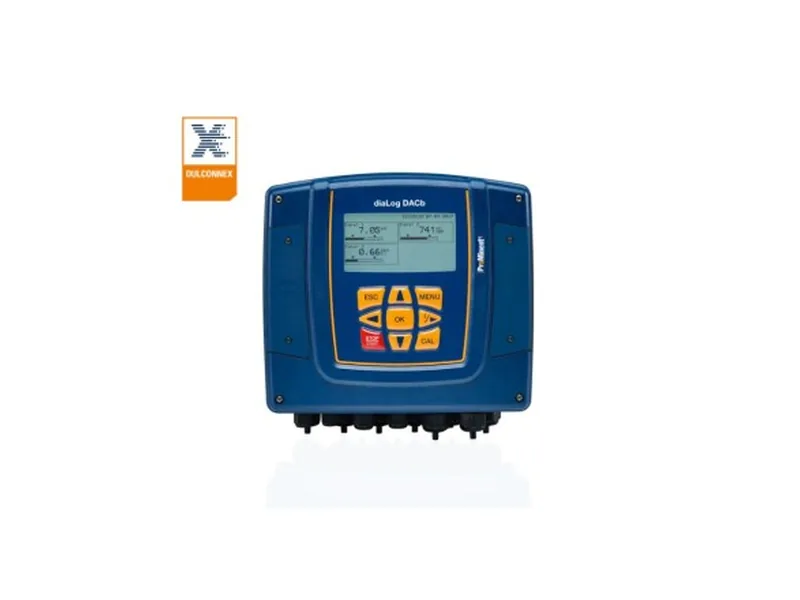
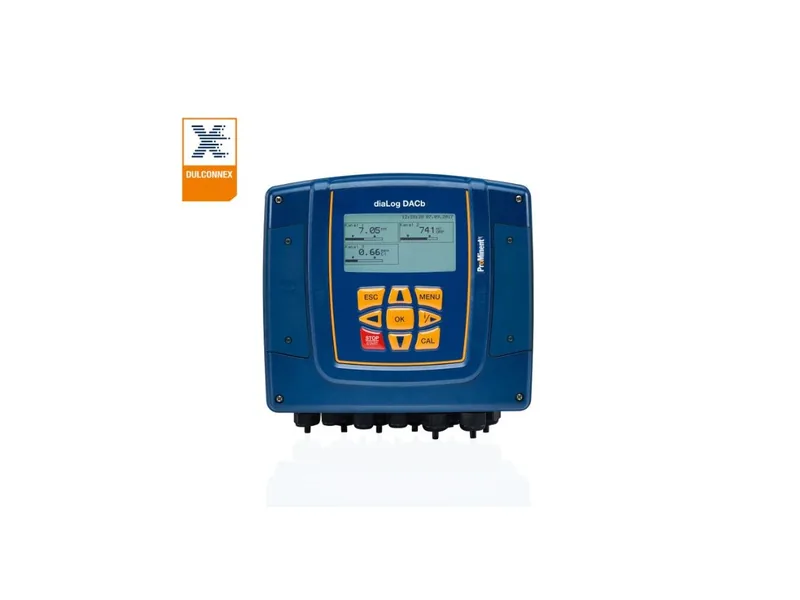
Figure 1: ProMinent DULCOMETER dialog DACb controller. Image source: ProMinent official website
- Feedwater pH and conductivity drive the ammonia pump, keeping feedwater and condensate alkaline to limit corrosion.
- Feedwater dissolved oxygen drives the oxygen scavenger pump, backing up the deaerator.
- Boiler water phosphate and pH guide the phosphate pump for scale control and pH stability.
- Steam cation conductivity, sodium and silica usually do not drive a pump; they judge steam purity and prompt blowdown or treatment changes.
For what each chemical does, see boiler feedwater chemical treatment and boiler phosphate treatment.
Sample Quality Matters More Than Analyzer Accuracy
A perfect analyzer reading a bad sample is still wrong. Common site problems in steam water sampling and chemical dosing include:
- Low velocity in sample lines. The sample takes minutes to arrive, and oxygen and conductivity change on the way.
- Sample point just downstream of an injection point. Unmixed chemical gives readings that jump, and the pump chases them.
- Sample lines never flushed. Deposits break loose and conductivity or iron suddenly spikes.
- Cooling water failure. Hot sample triggers alarms or ruins electrodes.
Put the sample point far enough downstream of the injection point that the chemical is fully mixed. Decide both locations together at design stage; our guide to boiler chemical injection points helps here.
Wiring the Signal to the Dosing Pump
Good steam water sampling and chemical dosing control usually has two layers. The first is flow pacing: feedwater flow goes to the controller and chemical feed follows it proportionally, which reacts fast to load changes. The second is analyzer trim: if feedwater pH drifts low, the controller nudges the ammonia ratio up. Together they follow load quickly without being misled by analyzer lag.
Phosphate is different. Drum water volume is large and changes slowly, so many plants still set the phosphate pump manually from lab results and treat the online phosphate analyzer as a reference and alarm. Closing the loop directly on phosphate often overshoots.
A standalone multi-channel controller such as the ProMinent DULCOMETER dialog DACb can take measurement signals and output control to metering pumps; check ProMinent documentation for the exact functions. More on this logic is in automatic boiler dosing control, and instruments are listed under water quality analyzers.
Commissioning Steam Water Sampling and Chemical Dosing
During commissioning, run the dosing pumps on manual first and watch how long each analyzer takes to respond to a known change in feed rate. That delay tells you how aggressive the analyzer trim can be. Skipping this step is why some steam water sampling and chemical dosing loops oscillate for months after handover, with operators eventually switching everything back to manual.
Fallback When an Analyzer Fails
Analyzers drift and electrodes age, so steam water sampling and chemical dosing logic needs a fallback:
- If a signal goes out of range or breaks, switch the pump to flow pacing or a fixed stroke. Do not stop it, and do not let it run to maximum.
- Alarm key analyzers so operators confirm with a grab sample.
- Check online analyzers against lab results regularly, and recalibrate or replace electrodes when they drift.
Many runaway dosing incidents happen because the pump kept following a dead analyzer.
Interfaces to Agree at Design Stage
Sampling panels and dosing skids often come from different suppliers, and the interface is where steam water sampling and chemical dosing projects go wrong. Agree on sample and injection locations, each analyzer's output type, whether the controller sits in the sampling room or the dosing room, the communication protocol and where alarms go. Buying them separately is fine, as long as one party owns the signals and logic.
Conclusion
Steam water sampling and chemical dosing work as a chain: representative sample, accurate analyzer, sensible control logic and a safe fallback. Feedwater pH and oxygen suit online control; phosphate is usually set from lab results with the analyzer as backup. Fix sample and injection points together, and combine flow pacing with analyzer trim. Send us your boiler data and existing analyzer list and contact our engineers to review the dosing package and the interlock scheme.
FAQ
Can the sampling panel and dosing skid be one unit?
They can, but most projects separate them: sampling in the sampling room, dosing in the chemical room. What matters is unified signal and logic design.
Can I automate dosing without online analyzers?
Yes. Flow-paced dosing from the feedwater meter, with lab tests to adjust the ratio, is common on smaller boilers.
Does high dissolved oxygen always mean too little scavenger?
No. Check sample line leaks and sample flow first, then deaerator operation, and only then the dose.
Why keep the sample temperature constant for steam water sampling and chemical dosing?
Conductivity and pH vary with temperature. A stable sample keeps compensation error small so the pump does not hunt.
How far should the sample point be from the injection point?
There is no fixed figure. The rule is that the chemical must be fully mixed, which depends on pipe size, velocity and any equipment in between.