
Sodium Sulfide Dosing: Heavy Metal Precipitation and H2S Safety
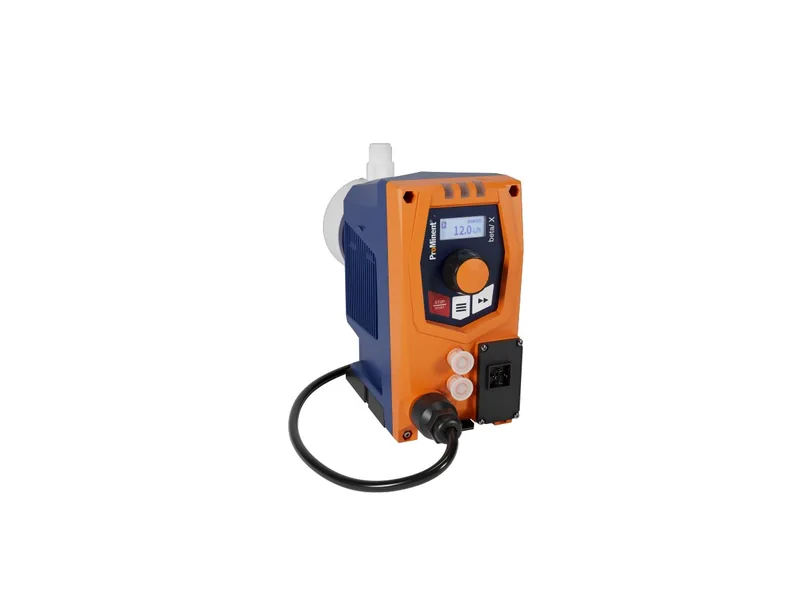
Sodium sulfide dosing turns dissolved heavy metals such as copper, nickel, cadmium and mercury into metal sulfide precipitates, which are typically far less soluble than the hydroxides formed by lime or caustic. That makes it effective on complexed metals and on low residual concentrations. The chemical itself is demanding, though. The solution is strongly alkaline, it releases hydrogen sulfide on contact with acid, and overdosing leaves sulfide and odor in the effluent. This article covers sodium sulfide only and is aimed at engineers and operators running plating, PCB and smelting wastewater plants.
What sodium sulfide dosing is for
Standard heavy metal treatment raises pH to precipitate hydroxides. That falls short in two situations: chelating agents hold metals in solution, or discharge limits are tighter than hydroxide solubility allows. Adding a sulfide step after neutralization usually pulls residual metal down further. For the full treatment train, see heavy metal wastewater dosing and electroplating wastewater dosing systems.
The main hazard: H2S release with acid
Sodium sulfide in contact with acid releases hydrogen sulfide gas. H2S smells of rotten eggs at low levels, but at higher concentrations it deadens the sense of smell quickly, so no odor does not mean no danger. Basic rules for a sodium sulfide dosing system:
- Inject only into water that has already been brought to neutral or alkaline pH, not into acidic equalization or raw water tanks.
- Separate sulfide and acid storage, and make sure spill trays and drains do not connect.
- Fit H2S gas detection with alarms and mechanical ventilation in the dosing room.
- Operators wear eye protection and alkali-resistant gloves, with an eyewash station nearby.
One point is easy to overlook. If acidic wastewater can occasionally reach the reaction tank, the sulfide pump must stop automatically. A low-pH interlock in the PLC is far more dependable than relying on someone watching a screen.
Preparing and storing solution for sodium sulfide dosing
Industrial sodium sulfide usually arrives as flakes or lumps containing water of crystallization, and it releases heat as it dissolves. Fill the tank with water first and add the solid gradually while mixing, not the other way round.
Exposed to air, the solution slowly oxidizes and absorbs carbon dioxide, and the second reaction also releases some H2S. For sodium sulfide dosing, mix small batches, keep the tank sealed, and route the vent outdoors or to a scrubber rather than into the work area.
Pump and pipe materials
Sodium sulfide solution is generally compatible with PVC, PE and PP, and PVDF or PP liquid ends work well. Keep copper and brass out of the system, because sulfide attacks copper quickly; check valve bodies and gauge fittings in particular. Concentrated solution can crystallize in the cold, so insulate lines in winter and flush with clean water after shutdown.
Controlling sodium sulfide dosing with ORP
The theoretical sodium sulfide dosing rate can be estimated from metal content, but real wastewater is variable, so ORP control is more common. Sulfide is a strong reducing agent and drives ORP down sharply. Jar tests identify the ORP band where metals have precipitated but sulfide is not yet in large excess, and that band becomes the setpoint. The principles are explained in ORP dosing control.
Practical notes from the field:
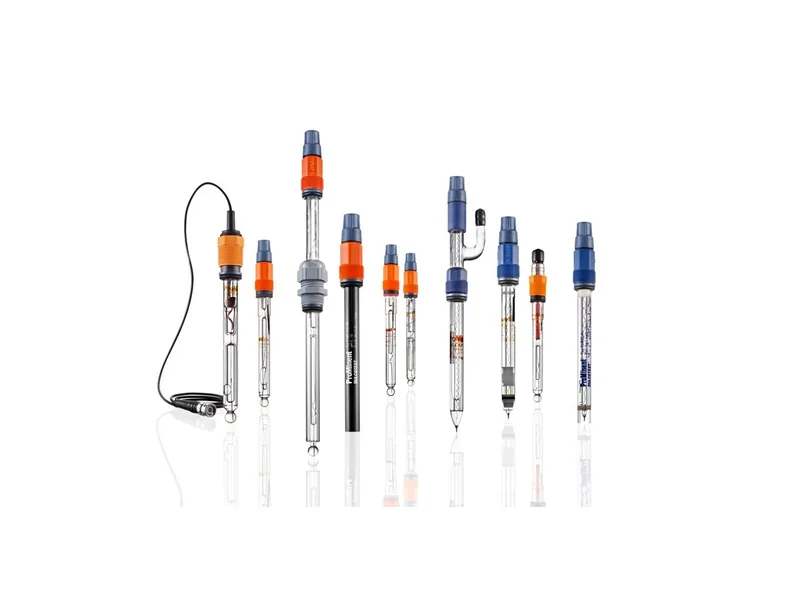
Figure 1: ProMinent DULCOTEST ORP sensors. Image source: ProMinent official website
- Clean the ORP probe regularly, as sulfide precipitate coats the electrode.
- ORP depends heavily on pH, so stabilize pH in the reaction tank before tuning ORP.
- Recheck the setpoint with periodic jar tests.
Excess sulfide should not be discharged. A common approach is to follow with a small ferrous salt dose, which binds leftover sulfide as iron sulfide and settles it with the metal sludge. That step also needs a metering pump, paced to the sulfide feed or to effluent results. Size it with some margin, since the ferrous demand rises whenever sodium sulfide dosing overshoots after a load change.
Common sodium sulfide dosing problems in the field
White or yellow crust at the injection tip forms when sulfide meets air. Put the injection point below the liquid surface and fit an injection valve to stop backflow. Falling output usually means crystals on the valve balls and seats, and flushing the liquid end before each shutdown helps a lot. If effluent smells but metals are in compliance, sodium sulfide dosing is running high: raise the ORP setpoint slightly and check that the ferrous step is keeping up.
Choosing a sodium sulfide dosing pump
Sulfide feed rates are usually small, so a solenoid metering pump is generally enough. What matters more is turndown and signal input, because the pump follows an ORP loop rather than running at a fixed rate, and the dose can vary widely between batches. Plants with several reaction tanks often give each tank its own pump so one loop does not disturb another. The ProMinent beta/X diaphragm metering pump, for example, covers 10 ml/h to 50 L/h, offers PVDF liquid ends and accepts a 0/4-20 mA analog signal straight from an ORP controller. ProMinent DULCOTEST ORP sensors can provide the measurement. See our pH and ORP instruments and the ProMinent range.
Conclusion
Sodium sulfide dosing works well on complexed and low-level heavy metals, and the difficulty lies in safety and control. Dose only into neutral or alkaline water, keep it fully separate from acid, mix small sealed batches, control by ORP with periodic jar tests, and polish excess sulfide with ferrous salt. Send us your flow, metals and current process, and contact our engineers to check the pump and instrument package.
FAQ
Can sodium sulfide dosing run together with caustic soda?
Dose them separately. Raise pH with caustic first, then add sulfide, which saves chemical and avoids H2S release under acidic conditions.
What does a rotten egg smell in the dosing room mean?
H2S is escaping. Ventilate immediately and find the source, often a badly placed tank vent or acidic water entering the reaction tank.
Why do metal sulfides settle poorly?
The particles are very fine. They usually need a coagulant and flocculant to build larger flocs before settling.
Can I copy another plant's ORP setpoint?
It is not recommended. ORP depends on water chemistry, pH and electrode condition, so set it with jar tests on your own wastewater.
How long can sodium sulfide solution be stored?
Use it as fresh as possible. Longer storage means more oxidation and CO2 uptake, lower strength and more sediment in the tank.