
Sodium Hypochlorite Storage Tank: Material, Size and Venting
A good sodium hypochlorite storage tank is made of a non-metallic material that resists oxidation, is sized small enough that the bleach is used before it degrades, and sits out of the sun with a proper vent, overflow, fill line and containment. Get those four things right and the dosing pump downstream has an easy life. Get them wrong and you end up chasing weak product, gas-locked pumps and cracked tank walls.
This guide is written for plant operators, contractors and buyers specifying bulk tanks and day tanks for drinking water, wastewater and cooling water disinfection. Pump and piping selection are covered elsewhere, so the focus here is the vessel itself.
Sodium hypochlorite storage tank materials that last
Bleach is an alkaline oxidizer. It attacks most metals and slowly degrades plastics that were not made for it. The common options:
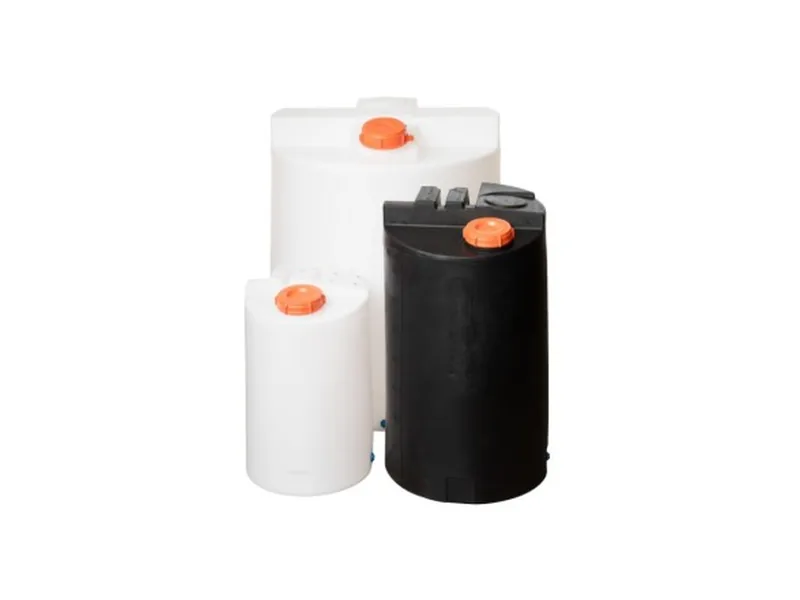
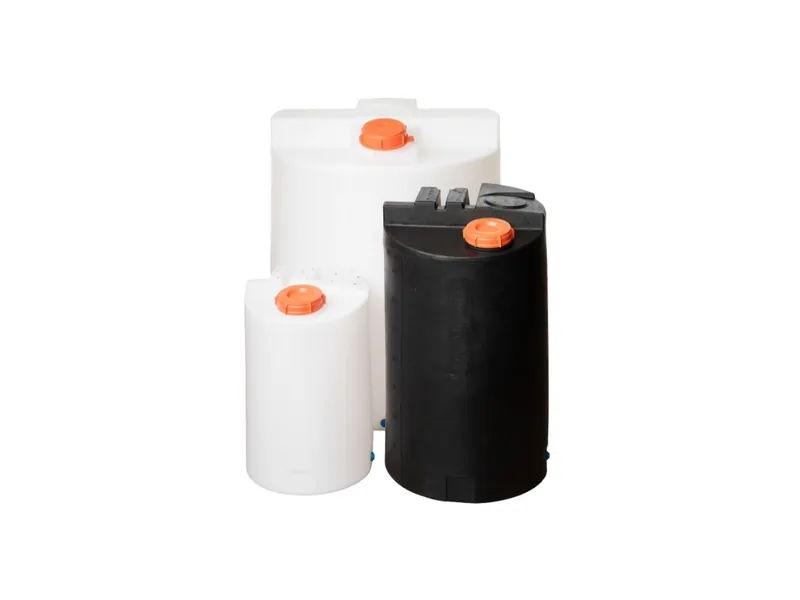
Figure 1: ProMinent PE dosing tanks in natural and black. Image source: ProMinent official website
- HDPE / XLPE (rotomolded polyethylene): the default choice for small and mid-size plants. Light, affordable to install, and compatible with hypochlorite at normal storage temperatures.
- FRP with a corrosion barrier: used for larger bulk tanks. The resin system and the inner barrier layer must be rated for hypochlorite, otherwise the inside surface turns white and starts to delaminate.
- Steel tanks with a plastic lining: an option where structural strength or fire rules call for a steel shell. The lining is the part that matters.
- Welded PVC or PP tanks: typical for small rectangular day tanks; inspect the weld seams carefully.
Stainless steel and carbon steel are generally a poor fit. Grade 304 and 316 pit in hypochlorite, and dissolved iron and nickel speed up decomposition of the bleach itself. For a broader comparison of plastics and steel, see our article on chemical dosing tank material.
How big should a sodium hypochlorite storage tank be?
Bigger is not better here. Sodium hypochlorite loses strength over time, and it loses it faster when it is warm or concentrated. A tank that holds a month of product means the last few weeks of bleach are noticeably weaker than what was delivered.
A practical sizing sequence:
- Start from the maximum daily consumption, not the average.
- Look at the delivery interval your supplier can actually keep, and allow for one or two late trucks.
- Multiply the two. Most plants end up with storage covering a few days to roughly two weeks of use.
- If you run a bulk tank plus a day tank, keep the day tank to about one shift or one day of demand.
Smaller tanks with more frequent deliveries usually cost less in the end, because you stop paying for chlorine that decomposes before it reaches the water.
Keep the bleach cool and dark
Sunlight and heat are the two biggest drivers of decomposition. An outdoor sodium hypochlorite storage tank in summer can get hot enough to make the problem obvious within days, and the breakdown also forms chlorate, which drinking water plants try to keep low.
Practical steps:
- Choose an opaque or dark tank, or add a sunshade over a natural translucent one.
- Keep the tank away from steam lines, boiler rooms and other heat sources.
- Ask the supplier about product age at delivery and reject old stock.
As an example, the ProMinent PE dosing tank range shown on the ProMinent official website comes in both natural and dark versions, and the dark one is the better fit for light-sensitive chemicals such as bleach.
Vent, overflow and fill connections
Hypochlorite releases oxygen as it breaks down, so a sodium hypochlorite storage tank must not be sealed or pressurized. Fit a vent on the roof and run it to a safe outdoor spot, pointing down with an insect screen, away from walkways and electrical panels. Our guide on chemical tank vent line routing covers sizing and fume control.
The overflow should sit below the fill inlet and drain into the containment area or a collection sump, not into a storm drain. The truck fill connection is typically a dedicated line with a quick coupling and a check valve, and someone should watch the level during unloading.
For level indication, avoid the simple clear tube running down the side of the tank. The tubing embrittles over time and leaks at the worst moment. A magnetic level gauge or an ultrasonic transmitter is more reliable, and it can feed low-level pump stop and high-level alarm signals to the control panel.
Containment and placement around the sodium hypochlorite storage tank
Put the tank inside a bund or on a spill pallet that can hold the full contents. Coat the bund, slope the floor to a sump, and keep a hose nearby for wash-down.
Two layout rules are worth repeating. Do not share a bund between hypochlorite and acids, because mixing them releases chlorine gas. And do not mount the metering pump on top of the sodium hypochlorite storage tank: install it beside the tank, below the minimum liquid level, so the suction stays flooded and gas locking becomes far less likely. See how the tank, pumps and safety items fit together on a sodium hypochlorite dosing skid.
Common sodium hypochlorite storage tank mistakes on site
- Metal flanges, bolts or brass valves on the tank, rusted through within months.
- An outlet in the dead center of the tank floor, pulling sediment straight into the pump.
- A tank parked next to the roller door, baking in afternoon sun.
- A new tank filled without rinsing, so residual oil and debris speed up decomposition.
Safety note: before cleaning or inspecting a sodium hypochlorite storage tank, drain it, flush it with clean water, and wear goggles and alkali-resistant gloves.
Conclusion
Choosing a sodium hypochlorite storage tank comes down to a handful of decisions. Use polyethylene, lined steel or hypochlorite-rated FRP and keep metal out of the wetted parts. Size storage from peak demand and delivery interval, and lean toward smaller. Keep the tank cool and dark, vent it, give it an overflow and a proper fill line, and stand the sodium hypochlorite storage tank in containment. Tank fittings, level gauges and valves are available in our dosing accessories range. Send us your daily usage, delivery interval and installation location, and contact our engineers to check the tank configuration.
FAQ
Can I use a stainless steel sodium hypochlorite storage tank?
It is generally not recommended. Stainless steel pits in hypochlorite and the dissolved metal ions make the bleach decompose faster.
How long can bleach be stored in a tank?
As short as practical. Strength drops over days and weeks, faster in heat, so most plants size storage for a few days to about two weeks.
Is an outdoor sodium hypochlorite storage tank acceptable?
Yes, with a sunshade, an opaque tank, a bund and freeze protection where winters are cold.
Why does a bleach tank need a vent?
Hypochlorite gives off gas as it breaks down. A sealed tank builds pressure, bulges and can split.
What is the white crust around the tank lid?
Usually salt crystals left behind as bleach evaporates. Rinse it off and check that the lid and vent fittings seal properly.