
Conductivity TDS Conversion: Where the Factor Comes From
Many conductivity meters also show a TDS value, as if dissolved solids were measured directly. That figure is a conductivity TDS conversion: the sensor measures conductivity, and TDS is that number multiplied by a factor. The link between conductivity and TDS depends on the ions, the temperature and any organics. There is no single conductivity TDS conversion factor for every water. Using a cooling-water factor on pure water or on a strong brine makes a tidy figure and a poor decision. This note is for instrument and operations technicians. It explains where a conductivity TDS conversion factor comes from and when it is valid. Meter selection is in online conductivity meter selection. Compensation is in conductivity temperature compensation.
What a conductivity TDS conversion factor actually is
Conductivity describes how well the ions in the water carry current, usually in μS/cm or mS/cm. TDS is a mass concentration of dissolved solids, obtained in the lab by drying and weighing or by summing ions. Multiplying conductivity by a factor to get TDS is a field estimate, not a second independent legal measurement. Typical factors sit somewhere around 0.5 to 0.8. Natural water and drinking water often use about 0.5 or 0.55, depending on the ion mix. Sodium-chloride waters, circulating cooling water and wastewater use different values.
The factory default used for conductivity TDS conversion is usually one fresh-water experience value. If the site never changes it, the conductivity and TDS displays are the same signal written twice. For serious salt control, compare a laboratory TDS or an ion sum with a simultaneous conductivity reading, calculate a site factor, and write that into the transmitter. Copying “0.7” from a handbook without a check will skew cycles of concentration.
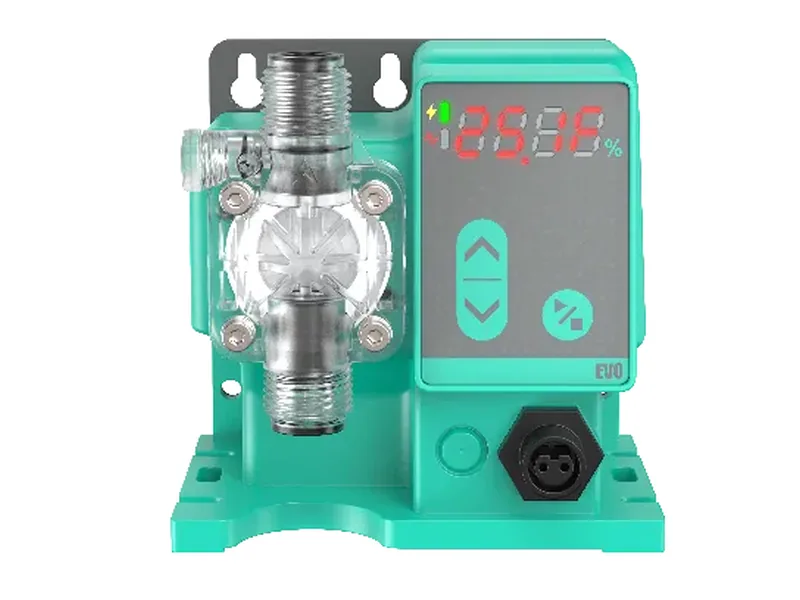
A ProMinent DULCOTEST conductivity sensor on a transmitter typically allows a TDS factor and temperature compensation to be set. A perfect factor will not fix a fouled probe, bubbles or polarization. Those errors have to be cleaned up first. Cooling-water chemicals are often fed by a compact motor-driven pump such as a NEWDOSE Motor-X. After that dose changes the ion mix, the conductivity TDS conversion factor has to be checked again.
When conductivity TDS conversion is acceptable, and when you should report conductivity
Raw water, drinking water and ordinary cooling water can use a conductivity TDS conversion for trend work when the composition is fairly stable. After an acid or caustic dose, an antiscalant change, or a switch from surface water to well water, the old factor is stale and needs a new comparison. In pure and ultrapure water the ion content is already tiny, so TDS itself is a weak idea. Report conductivity or resistivity. Do not invent a fraction of a milligram per litre with a factor.
In strong brines and acid or caustic solutions, conductivity TDS conversion may not even stay monotonic. A fresh-water factor should not be used to report TDS. If you need salt content, run a laboratory TDS or an ion analysis. Many cooling plants control cycles of concentration from a conductivity ratio, which is cleaner than routing the same signal through TDS. See conductivity monitoring for cooling water cycles and cooling tower cycles of concentration.
Temperature must be compensated to the same reference before any conductivity TDS conversion. Mixing 25 °C and 20 °C readings will bias the result even if the factor is right.
A checklist for conductivity TDS conversion on the instrument
Walk through these points on the current conductivity TDS conversion settings:
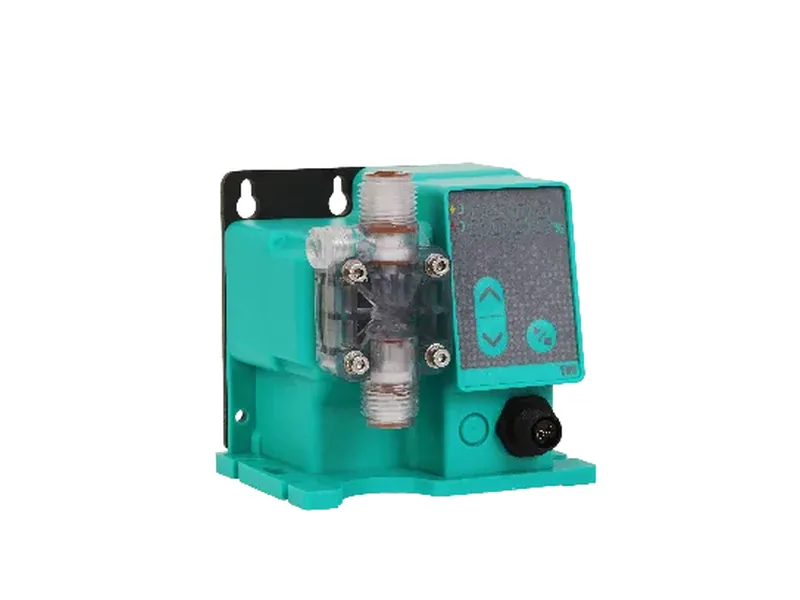
Figure 1: NEWDOSE Motor-X micro motor-driven pump. Image source: NEWDOSE official website
- Is the TDS factor still the factory default, or was it written after a laboratory comparison?
- Are conductivity and TDS both compensated, and is the reference temperature the same?
- Was the factor checked again after a composition change?
- Do official reports show conductivity, TDS, or both with the factor stated?
- Are the cell constant, cleaning and calibration still valid, so a bad conductivity is not being multiplied?
See the ProMinent pages for sensors. Records should name the source of the factor and the date, so the next shift does not type in another rule of thumb.
Changing the factor will not repair a dirty probe
If the reading jumps, inspect fouling, bubbles and wiring first. Do not use the conductivity TDS conversion factor as a knob to match today’s lab result. A factor is the outcome of a longer comparison, not a same-day trim. Laboratory TDS also moves with drying temperature and filtration, so keep the lab method fixed during a comparison.
When you report TDS to a client or a regulator, write that conductivity TDS conversion was used with a stated factor, so it is not read as a gravimetric laboratory result.
Keep a short history of conductivity TDS conversion factors next to the transmitter. If someone changes the number during a shift, the next comparison will look like a process change when it is only a keystroke. For cooling towers, write the factor in the same log as cycles of concentration, or the two calculations will drift apart.
Conclusion
A conductivity TDS conversion is only an estimate. The factor must come from a site comparison and must be checked again when composition or temperature compensation changes. Pure water and strong solutions should not use a fresh-water factor, and cooling-water cycles are usually clearer in conductivity. Send the water type, the current factor and the laboratory method, and contact us so we can say whether a factor is justified or whether you should report conductivity alone.
FAQ
Can I leave the factory factor of 0.5 in place forever?
Sometimes, on stable natural or drinking water. Cooling water, wastewater and dosed streams need a site comparison. Do not keep the default for years.
Is conductivity or TDS better for control?
Control loops usually work better on conductivity, which is the raw signal. TDS is useful as an estimate or for discussion, if the source is stated.
Why do two brands show very different TDS on the same water?
The factor and the temperature compensation often differ. Align the reference temperature and the factor before you compare the probes.
Should pure water display TDS at all?
It can, but the figure is weak and easy to misread. Pure water should be reported as conductivity or resistivity.
How often should the factor be checked?
On stable water, a quarterly or half-year comparison may be enough. After a source change or a recipe change, repeat the conductivity TDS conversion check at once.