
Chemical Spill Containment for Dosing Rooms: Bunds, Floors and Sumps
Chemical spill containment in a dosing room exists for one reason: when a tank or pipe leaks, the chemical stays inside a defined area instead of running into drains or under other equipment. Four things get it right. Size the bund around the largest tank, line the floor with a coating that survives the worst chemical stored, segregate acids, alkalis and oxidizers, and give every bund a sump with controlled drainage. This article is for design engineers, contractors and plant maintenance managers. It covers general principles; local regulations and project specifications always set the actual numbers.
How big should the bund be?
The common starting point is that the effective volume of a bunded area is at least the volume of the largest single tank inside it. A typical incident involves one tank, so the bund must hold all of it. Many projects add a margin on top for firefighting or wash-down water that ends up in the same space.
Two things are often missed in the calculation:
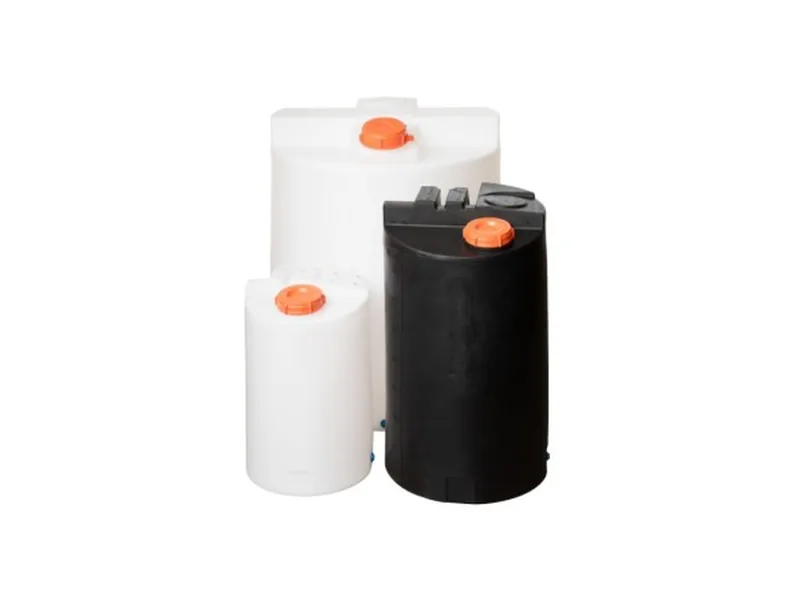
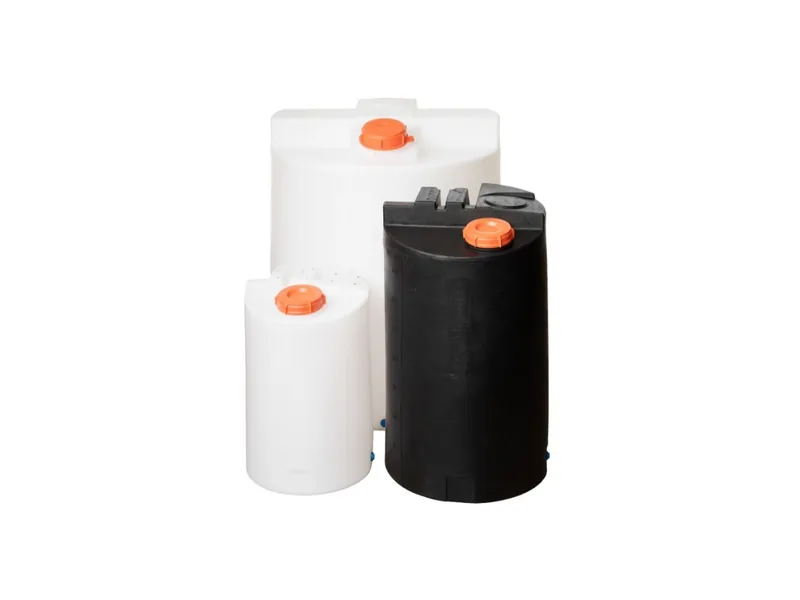
Figure 1: ProMinent PE dosing tank range. Image source: ProMinent official website
- The volume taken up by other tanks and plinths inside the bund has to be subtracted.
- Outdoor or partly open bunds collect rain. Without allowing for it, the bund may be half full before any leak occurs.
Do not make walls too tall either. High walls force people to climb in and out and make maintenance awkward. A larger footprint with moderate walls, plus steps at access points, usually works better for chemical spill containment.
Chemical resistant floor coating options
For chemical spill containment to work, floors and walls inside the bund must resist the stored chemicals for years. Plain concrete hit by acid starts dusting and spalling within months, and the bund stops doing its job.
Common choices:
- Epoxy coatings: easy to apply, fine for many dilute acids and alkalis, limited against concentrated acid.
- Fiberglass (FRP) lining: stronger chemical resistance for concentrated acid and caustic areas. Round off internal corners and wall-to-floor joints.
- Vinyl ester systems: better against strong acids and oxidizers, with higher cost and stricter application.
- Acid-resistant brick with chemical mortar: durable and impact-resistant where forklifts or frequent handling are expected.
Choose the lining for the most aggressive chemical in the bund, not the average. Repair damage early, because a chemical spill containment area with a cracked lining lets acid reach the concrete underneath. Hypochlorite, concentrated sulfuric acid and strong caustic each demand something different.
Acid and alkali segregation
Some chemicals react violently when mixed. Hypochlorite plus acid releases chlorine gas; concentrated acid meeting concentrated caustic generates a lot of heat. Good chemical spill containment therefore uses separate bunds for acids, alkalis and oxidizers such as hypochlorite, each with its own sump.
Pipe routes matter for chemical spill containment as well. An acid line should not pass through the caustic bund; a leak running along a trench defeats the segregation. Where pipes cross a bund wall, use sealed, chemical-resistant sleeves, or better, route them over the wall. Our guide to dosing room design for wastewater plants covers layout and ventilation.
Sumps and drainage
Slope the bund floor to a sump so leaks and wash water collect in one place. Do not connect the sump straight to storm or sanitary drains, or the chemical spill containment simply moves the problem downstream. Fit a normally closed outlet valve and decide whether to recover, neutralize or send the liquid for treatment only after you know what it is.
A level switch in the sump gives an alarm as soon as liquid appears, so nobody needs to climb in every day to look. The sump pump and its piping must also be chemical resistant; an ordinary cast iron submersible pump will not last. If a leak does happen, follow the steps in our article on dosing pump leak response.
Chemical spill containment for small dosing systems
Small water plants, pool plant rooms and factory dosing points do not always need a concrete bund. A PE spill tray does the same job. ProMinent, for example, notes that stackable PE collecting pans are available in sizes matching its PE dosing tanks, so tank and pump can sit inside one tray. Packaged skids can also be built with an integral drip tray in the base. See our dosing skids and the ProMinent brand page.
Even with a tray, the same rule applies: the tray must hold the full contents of the tank sitting in it. A small drip pan under a large tank is not chemical spill containment, it is a drip pan.
Eyewash stations and routine checks
Put an eyewash station and safety shower near the bund, within quick reach but not where a spill would flood them. Our article on dosing room eyewash stations covers placement and type.
Routine chemical spill containment checks look for three things: liquid or crystals inside the bund, cracks or blisters in the lining, and whether the drain valve is closed. Empty drums and clutter stored inside the bund also eat into its effective volume.
Who owns the checks?
Assign the inspection to a named role and record it. Bunds fail quietly, through a valve left open after cleaning or a crack nobody reported, and a short weekly round usually catches these before a real leak tests the system.
Conclusion
Sound chemical spill containment comes down to a few rules. Size the bund for the largest tank, subtract what sits inside it and allow for rain. Choose the lining for the most aggressive chemical. Keep acids, alkalis and oxidizers in separate bunds. Slope floors to a sump with a closed, controlled outlet. Send us your tank count, volumes, chemicals and layout, and contact our engineers to match a dosing skid and containment solution.
FAQ
Must the bund hold exactly the largest tank?
That is usually the minimum. Any extra margin depends on local regulations, fire water and rainfall.
Can epoxy handle concentrated sulfuric acid?
Generally not. Concentrated acid areas usually get FRP or vinyl ester linings.
Can acid and caustic share one bund?
It is not recommended. Mixing generates heat, and hypochlorite should not share a bund with acid because of the chlorine gas risk.
Can I pump the sump straight to drain?
No. Check what the liquid is and its pH first, then neutralize, recover or treat it as required.
Do small tanks need chemical spill containment?
Yes, but a spill tray is usually enough. It still has to hold the tank's full contents.