
Water Quality Monitoring Station Design: From Intake to Shelter
A water quality monitoring station is a small production line whose only product is a trustworthy number. Pumps bring water from a river, canal or outfall; pretreatment removes sand and debris; a distribution manifold feeds each analyzer; a controller runs measuring and cleaning cycles and logs the data; and the shelter supplies stable temperature, power and drainage. If one link is weak, the best analyzer in the cabinet still reports nonsense. This article is for engineers specifying a new water quality monitoring station and for the crews who keep one alive. Choosing the analyzers themselves is a separate topic, covered in multi-parameter water quality analyzers.
The building blocks of an online water quality monitoring system
Follow the water through a water quality monitoring station and you will find six parts:
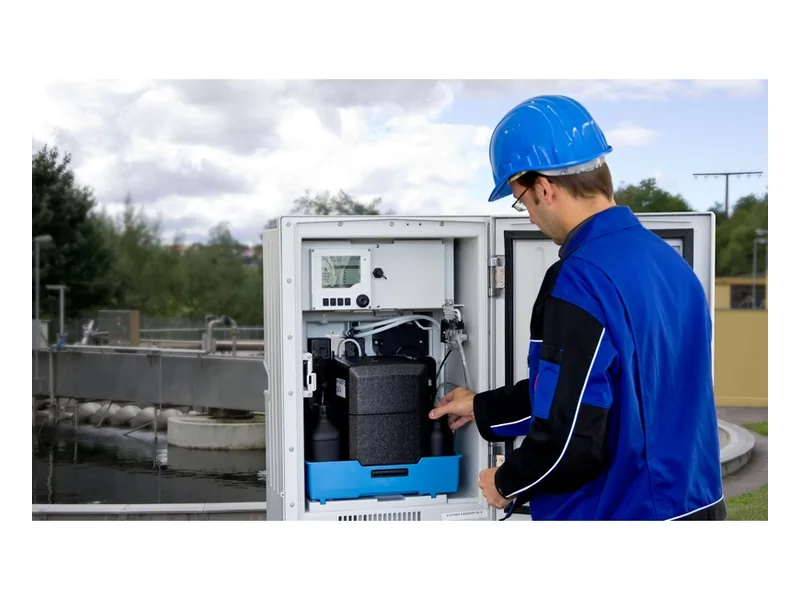
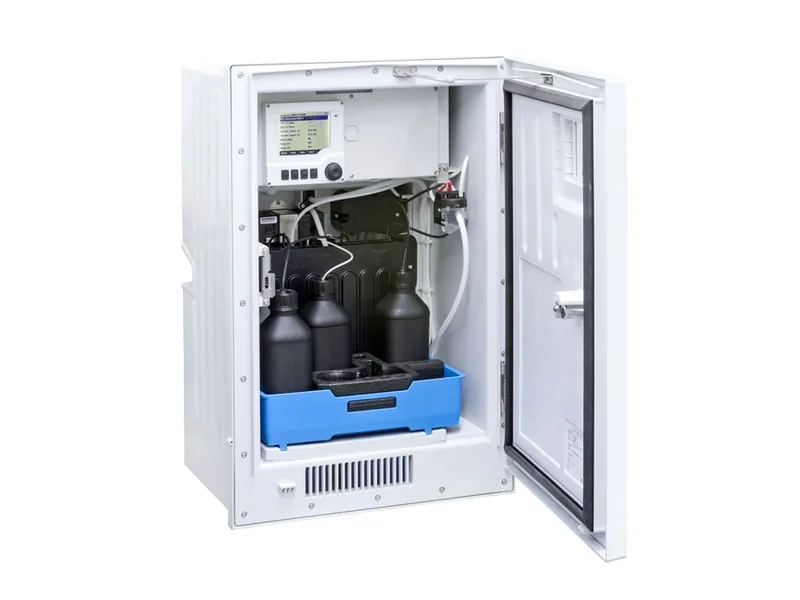
Figure 1: Endress+Hauser Liquiline System CA80 analyzer on site. Image source: Endress+Hauser official website
- Sample intake: intake head, sampling pumps, the supply line and a backflush line.
- Pretreatment: settling and filtration to protect analyzers.
- Distribution: overflow cups or a manifold that feed each instrument and send the excess to drain.
- Analyzers: basic probes such as pH, conductivity, dissolved oxygen and turbidity, plus wet-chemistry units for ammonium, COD, phosphorus or nitrogen.
- Control and data: a PLC sequences the station, and a data logger stores and transmits results.
- Shelter and utilities: climate control, power, surge protection, water supply, drainage and security.
None of these is usually complicated on its own. A water quality monitoring station fails at the interfaces: not enough sample flow for every analyzer, filtered water that still clogs a wet-chemistry unit, or a cleaning cycle that runs while an analyzer is drawing sample.
Sample intake: location and pumps
The intake has to see representative water. Stay away from dead zones, eddies and the poorly mixed plume right below a discharge. On rivers with big seasonal swings, mount the intake head on a float or a sloped rail so it stays submerged without sucking mud off the bed.
Every water quality monitoring station should have two sampling pumps, duty and standby, with automatic changeover. Submersible pumps are easy to install but have to be pulled for service; shore-mounted self-priming pumps are easier to reach but less forgiving of suction lift and leaky joints. Keep the line short with few bends, give it a drain at the low point, and insulate or heat-trace it in cold climates. Algae and silt build up inside every intake line sooner or later, so plan a backflush with clean water or compressed air. Line length also sets the lag before water reaches the analyzers; analyzer sample line design shows how to size it.
Pretreatment and distribution
In a water quality monitoring station, pretreatment should make the sample acceptable to the analyzers without changing what they measure. A grit chamber or cyclone takes out the heavy particles, and filters follow as each instrument requires. Be careful with total phosphorus and COD: much of what they measure is particulate, and filtering too finely removes it and biases the result low. Different analyzers can take their sample from different points in the train for this reason.
Feed each analyzer in parallel from its own overflow cup so one instrument drawing sample does not starve the next. Constant level in the cups typically matters more than high flow.
Analyzers and the station cycle
Probes read continuously; wet-chemistry analyzers take a sample, run a cycle, and clean or calibrate on their own schedule. The PLC in a water quality monitoring station has to string intake, settling, measuring, cleaning and draining into a fixed sequence, and cleaning must not overlap measuring or the analyzers will draw rinse water.
As an example, the Endress+Hauser Liquiline System CA80AM ammonium analyzer is described by the manufacturer as using the indophenol blue colorimetric method, with automatic calibration and cleaning, an optional cooling module for reagents, and the option to connect up to four Memosens sensors so one cabinet becomes a small measuring station. The same documentation asks for a sample with low solids and turbidity below 50 NTU, which is exactly why pretreatment cannot be skipped. For ammonium methods compared side by side, see ammonia analyzer selection; related instruments are under water quality analyzers.
The automatic monitoring shelter
The shelter is the most underrated part of a water quality monitoring station. Settle these points at the design stage:
- Climate control: reagents and wet-chemistry analyzers dislike heat and frost, so the shelter needs air conditioning and heating.
- Power: mains plus a UPS so data survives an outage and analyzers shut down cleanly, with the sequence restarting automatically.
- Surge protection and grounding: outdoor pumps and long cable runs invite lightning damage, so protect both power and signal lines and bond the shelter properly.
- Drainage: ordinary sample water can go back to the source, but analyzer waste contains acids and heavy metals. Collect it separately for licensed disposal and do not pipe it to the drain.
Where to put the water quality monitoring station shelter is a compromise. Too far from the intake and the line gets long and slow; too close and floods become a risk. Wear gloves and eye protection when changing reagents or emptying waste containers.
After commissioning
A water quality monitoring station is only as good as its maintenance plan. Schedule intake cleaning, line backflushing, filter and reagent changes and check-standard tests, and let an automatic sampler retain a bottle whenever a limit is exceeded so the event can be verified. The online analyzer maintenance checklist breaks routine work into daily, weekly and monthly tasks.
Conclusion
A water quality monitoring station is six units working together: intake, pretreatment, distribution, analyzers, control and data, and the shelter. Most problems come from the joints between them, so give the intake a representative spot and a backflush, protect the analyzers without filtering away what they measure, separate cleaning from measuring, and design the shelter for temperature, power, surge protection and waste. Send us your monitoring point, parameters and site conditions, and contact our engineers to work through a station layout.
FAQ
Does every water quality monitoring station need a building?
Usually not. A probe-only installation can live in an outdoor cabinet. Once wet-chemistry analyzers are involved, a climate-controlled shelter or packaged station is far more reliable.
Why two sampling pumps?
When the sampling pump stops, the whole water quality monitoring station goes blind. Duty and standby pumps with automatic changeover keep data flowing during a failure or blockage and allow rotating maintenance.
Can analyzer waste go down the drain with the sample water?
No. COD and other wet-chemistry waste can contain dichromate, sulfuric acid and other hazardous compounds. Collect it in dedicated containers and hand it to a licensed contractor.
What if the intake line freezes?
Prevent it with insulation, heat tracing and a low-point drain. If it has already frozen, stop the pump and thaw the line in sections. Do not use an open flame on plastic pipe.
Readings jump around. Check the intake or the analyzers first?
Check the intake and pretreatment first: is the intake head out of the water or in mud, is a filter blocked, is the overflow cup level steady? If all of that looks fine, move on to the analyzer calibration and cleaning records.