
Ammonia Analyzer Selection: ISE Probe vs Colorimetric vs Gas-Sensing
Picking an ammonia analyzer starts with two questions: where will it sit, and how dirty is the water? For final effluent compliance, where concentrations are low and numbers get audited, a salicylate colorimetric ammonia analyzer is usually the safer pick. For influent and aeration basins, where levels swing fast and you want a continuous signal, a gas-sensing electrode or an ion selective (ISE) probe with potassium compensation tends to work better.
Three Ways an Ammonia Analyzer Measures
Online ammonium monitoring comes down to three principles. None is "best" across the board. Each fits a different water and a different maintenance budget.
Colorimetric (Salicylate or Nessler)
A colorimetric unit pulls a sample, adds reagents, waits for the color to develop and reads absorbance. The older Nessler method uses a mercury-based reagent, so waste must be handled as hazardous. Most new projects use the salicylate method instead.
The upside is accuracy at low concentrations, and results line up well with lab methods. The downside: each reading is a batch cycle, so you get points rather than a smooth curve, plus reagents to refill and waste to collect.
Gas-Sensing Electrode
Here the analyzer doses caustic to convert ammonium into free ammonia gas. The gas crosses a membrane and shifts the pH of an internal fill solution. Color and turbidity barely affect it, and the range is wide, which suits raw influent. The membrane, fill solution and caustic are all consumables.
Ion Selective Electrode (ISE)
An ISE probe sits directly in the basin. No sample line, no reagents, a continuous signal. That makes it the natural choice for control. The catch is potassium: K+ ions look a lot like NH4+ to the sensor. Only buy an ISE ammonia analyzer that includes a potassium reference electrode for compensation, along with pH and temperature correction. Expect drift and plan regular grab-sample checks against the lab.
Ion Selective vs Colorimetric Ammonia: Matching the Ammonia Analyzer to the Sample Point
Most plants end up running different technologies at different points.
Influent. High and variable load, solids, sometimes grease. Colorimetric cells foul quickly here unless sample prep is solid. Gas-sensing units handle color and solids better.
Aeration basin. You need speed. An immersion ISE ammonia analyzer feeding the blower control loop, often alongside aeration basin DO control, is the common setup. Offsets get corrected with periodic lab comparisons.
Final effluent. Low concentrations and regulatory reporting favor colorimetric. Size the range for the worst case, not the design value, or one shock load will push it off scale.
Sample Prep Makes or Breaks the Reading
When an ammonia analyzer reads well for three months and then wanders, the cause is usually the sample system rather than the instrument.
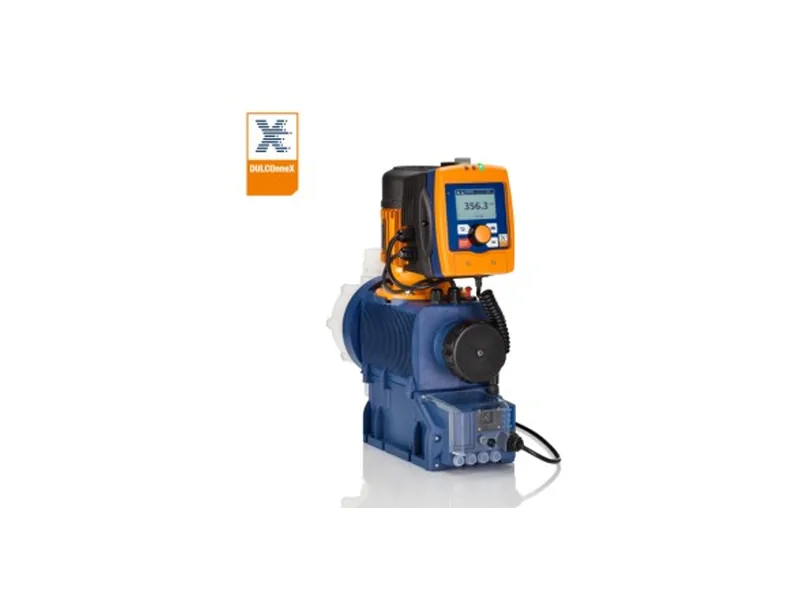
Figure 1: ProMinent Sigma X S2Cb metering pump. Image source: ProMinent official website
- Filtration. Self-cleaning filters and membrane filters need regular backwash. A plugged filter means no sample.
- Sample line. Long lines at low velocity add delay and grow biofilm, which consumes some of the ammonia before it reaches the analyzer.
- Temperature. Cold samples slow color development. Some units use a heated reaction cell.
- Algae and oil. Outdoor sample tanks exposed to light grow algae, which pulls effluent readings low.
Using the Ammonia Analyzer Signal for Chemical Dosing
Beyond aeration, the main dosing use is breakpoint chlorination. The hypochlorite dose tracks ammonia directly. The math is covered in our guide to breakpoint chlorination for ammonia removal. A typical scheme sends the ammonia analyzer 4-20 mA output to the PLC as feed-forward, trims it with a downstream chlorine residual signal as feedback, and outputs 4-20 mA to the metering pump.
On the pump side, choose a pump that accepts a standard 0/4-20 mA signal directly, such as the ProMinent Sigma X control type motor-driven diaphragm pump. It converts the signal into stroke frequency so the feed follows the ammonia load. Colorimetric readings arrive in steps, so add smoothing in the PLC; otherwise the pump chases every step. The full loop is described in our article on the automatic chemical dosing system for wastewater.
Hidden Costs When You Buy an Ammonia Analyzer
Reagent use and waste disposal belong in the operating budget, not just the purchase decision. Maintenance frequency has to fit your crew. A good probe that nobody cleans still gives bad data. Ask how calibration works: automatic standard solution or manual comparison, and how often standards expire. You can browse online sensors by parameter in our water quality analyzer range, and see pumps and controllers on the ProMinent brand page.
Before you sign off, ask the supplier for the full consumables list for one year, the expected time a technician spends per visit, and whether the controller can flag a dirty probe or empty reagent bottle as an alarm. Those three answers often decide the real cost of ownership more than the purchase price does.
A practical safety note: caustic reagents and hypochlorite feed lines both deserve gloves and eye protection during service, and isolate power before opening the analyzer enclosure.
Conclusion
There is no universal ammonia analyzer. Use colorimetric where accuracy at low levels matters for compliance. Use gas-sensing or potassium-compensated ISE where you need speed and low upkeep. Then plan sample prep, staffing and dosing control together so the data actually gets used. Send us the sample point, expected range and whether you plan to control a pump, and contact our engineers for a matched package.
FAQ
How accurate is an ISE ammonia analyzer?
Good enough for process control, weaker for compliance. It drifts and reacts to potassium, so use compensation and compare with lab results on a regular schedule.
Is the Nessler method still acceptable?
It works, but the reagent contains mercury and waste must be treated as hazardous. Most buyers now specify salicylate.
How often should an online ammonium monitor be calibrated?
Colorimetric units usually auto-calibrate with standards on a set interval. Electrode units need lab comparisons, more often when the water changes.
Can one analyzer cover two sample points?
Some colorimetric models switch between channels, but each point gets measured less often. Give any control point its own instrument.
Can the ammonia signal drive a hypochlorite pump on its own?
It can act as feed-forward, but add chlorine residual feedback. Ammonia readings lag, and feed-forward alone tends to over- or under-dose.