
Online Analyzer Maintenance Checklist: Daily, Weekly and Monthly Checks
A good online analyzer maintenance checklist splits the work into three levels. Daily, spend a few minutes on readings, sample flow and alarms. Weekly, get hands-on with cleaning and consumables. Monthly, verify against a portable instrument and review calibration records. The checklist below is written for chlorine, pH, ORP and turbidity analyzers that drive metering pumps, and you can scale it to the number of instruments on your site.
Why an Online Analyzer Maintenance Checklist Needs Levels
Analyzer readings decide how much chemical the pump delivers. A low reading means overdosing. A frozen reading means the pump keeps feeding the same amount no matter what the water does. When dosing incidents get investigated, the analyzer has often been wrong for days without anyone noticing.
Levels put effort where it pays. Daily checks are quick and catch sudden failures. Weekly checks are detailed and catch gradual fouling. Monthly checks are about accuracy and catch slow drift.
Daily Sensor Routine Checks
The daily page of an online analyzer maintenance checklist should be short. Each instrument should take under five minutes on the round:
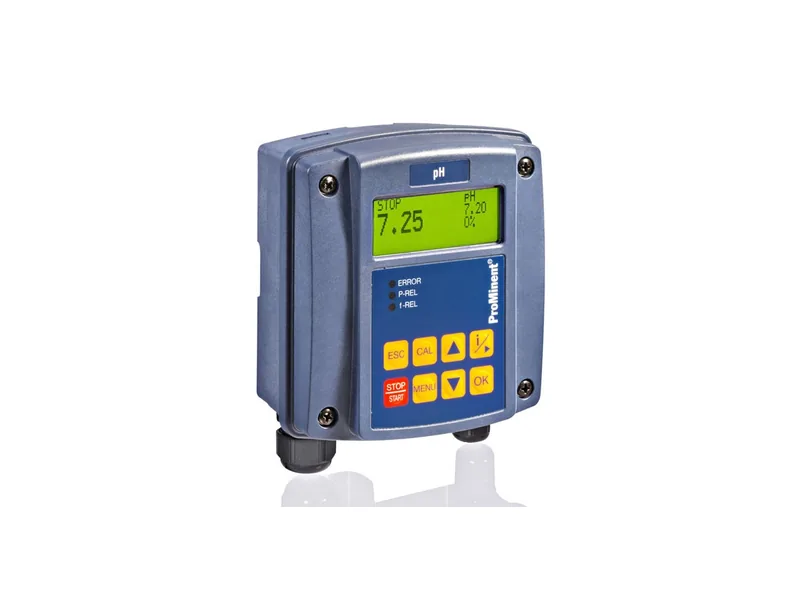
Figure 1: ProMinent DULCOMETER Compact controller. Image source: ProMinent official website
- Is the reading plausible? Compare with the same time yesterday and with process conditions. If the dose has not changed but chlorine doubles, suspect the analyzer.
- Is the reading moving? A value that sits perfectly still for hours usually means lost sample flow or a dead sensor.
- Sample flow. Check the flow indicator on the flow cell. Low flow pulls amperometric chlorine readings down.
- Alarms and status. Look for unacknowledged alarms and for controllers left in manual or calibration hold.
- Is the pump following? When the analyzer output changes, pump frequency or stroke should change too.
If something looks wrong, do not touch the pump first. Write down the value and time, then work through the weekly items below to find the cause.
Weekly Water Quality Instrument Inspection
Weekly tasks on the online analyzer maintenance checklist take longer. Fix the day and, ideally, the team, so the same eyes see the same sensors.
Flow cell cleaning. Check walls for algae, iron deposits and biofilm, and open the drain to flush sediment. Bubbles clinging to a sensor point to an air leak in the sample line.
Sensor condition. Look for fouling or cracks on the pH glass bulb and a dried-out reference junction. Check membrane chlorine sensors for a bulging or torn membrane. Wipe turbidity windows clean.
Reagents and consumables. On colorimetric units, check reagent level and expiry, and do not let the waste container overflow. Top up electrolyte where needed.
Controllers such as the ProMinent DULCOMETER Compact have a digital input for a sample water limit contact, so control can stop when sample flow fails. Add a quick interlock test to your online analyzer maintenance checklist each week: close the sample valve, confirm the alarm and that the pump stops, then restore flow.
Monthly Verification and Calibration Records
The monthly part of the online analyzer maintenance checklist is about accuracy.
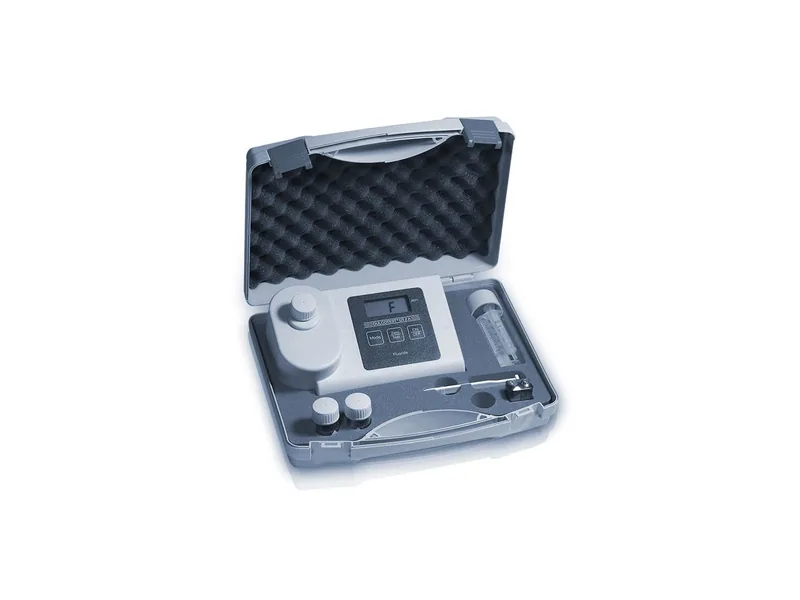
Take a grab sample at the same point and measure it with a portable instrument. ProMinent DT1B, DT3B and DT4B photometers are used as a reference method for calibrating electrochemical sensors for chlorine, chlorine dioxide, ozone and more, and they also read pH. If the difference is within tolerance, record it and leave the analyzer alone. Only calibrate when it is out. Calibrating every time hides the drift trend you are trying to see.
Record date, reading before calibration, reference value, reading after calibration and who did it. If the offset moves in the same direction for several months, the sensor is near end of life, so order a spare. For calibration technique see our guide to online analyzer electrode calibration and maintenance, and for chlorine points see online residual chlorine monitoring.
Commonly Missed Items
Sample pumps and filters rarely appear on an online analyzer maintenance checklist, yet a blocked filter takes the whole analyzer offline. Loose terminals in the panel cause intermittent jumps. A wrong clock on the analyzer means trend data no longer lines up with process logs. Spare sensors also age on the shelf, so store them as the manual says.
When cleaning sensors or flow cells, the sample may contain hypochlorite, acid or caustic. Wear gloves and eye protection, and close the sample valve before opening anything.
Designing an Online Analyzer Maintenance Checklist People Actually Use
Avoid a long list of tick boxes; people tick everything without looking. Ask for numbers on reading items and "OK" or a short note on check items. One row per instrument, separate pages for daily, weekly and monthly. Review the online analyzer maintenance checklist every quarter: reduce frequency on items that never fail and increase it at problem points.
Linking Analyzer and Pump Maintenance
Put analyzers and pumps on the same sheet, or at least cross-reference the online analyzer maintenance checklist with the pump log. When either fails, the symptom looks the same: wrong dosing. For the pump side, see our dosing pump maintenance schedule. Instruments are listed under water quality analyzers.
Conclusion
An online analyzer maintenance checklist works when it is tiered: daily readings and sample flow, weekly cleaning and consumables, monthly verification and record review. Keep analyzers and pumps on one sheet and dosing stays under control. Controller and photometer details are on our ProMinent brand page. If you want a checklist built around your instrument list, contact our engineers.
FAQ
How often should online analyzers be calibrated?
Verify monthly and calibrate only when the difference is out of tolerance. Verify more often when water quality swings or sensors are old.
The reading has not changed all day. Is the sensor dead?
Check sample flow first, then the sensor and the signal cable. Lost sample flow is the most common cause.
Should the flow cell be cleaned daily?
Usually weekly cleaning plus a daily look at flow is enough. Shorten the interval at dirty or algae-prone points.
How long should I keep the records from my online analyzer maintenance checklist?
At least longer than one sensor replacement cycle, so you can see drift trends and trace dosing problems.
Can expired reagents still be used?
Better not. Expired reagent may not develop color fully and readings come out low. Check level and expiry weekly.