
Sodium Analyzer for Power Plants: Condensate, Feedwater and Steam
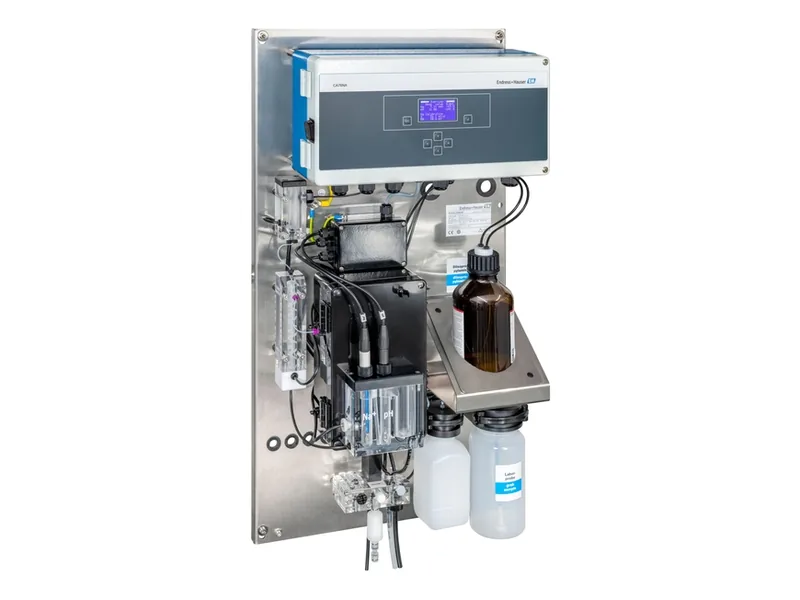
A sodium analyzer earns its place in a power plant by catching contamination early. It reads trace sodium, typically in the µg/L (ppb) range, in condensate, feedwater and steam, and a rising value means salty water is getting into the cycle or a condensate polisher is starting to leak. In many plants the sodium reading moves before anything else on the sample panel does. This guide is for chemistry and I&C staff who need to decide where the analyzer goes, how to read an alarm, and what keeps the measurement honest at low levels. How the sample panel feeds signals to the chemical feed pumps is covered in steam water sampling and chemical dosing; here we stay with the analyzer itself.
What an online sodium analyzer actually measures
Most sodium analyzer designs use an ion-selective sodium electrode against a reference electrode. The potential between them follows sodium activity, and the transmitter converts that into concentration. The physics is simple; the difficulty is that you are trying to see a few ppb of one ion in water that has been cleaned almost to nothing.
Why buy a sodium analyzer when conductivity is already on the panel? Specific conductivity in an ammonia-treated cycle mostly tracks the ammonia, so it barely notices trace salts. Cation conductivity is better and should stay on the panel, but sodium is the cation you find in cooling water, raw water and caustic regenerant. Watching it directly tells you whether outside salts are entering. The two measurements work best side by side. If you also run high-purity conductivity, the pitfalls in ultrapure water conductivity measurement apply to the same sample lines.
Where power plant sodium monitoring points usually sit
Each sample point answers a different question, so pick them on purpose:
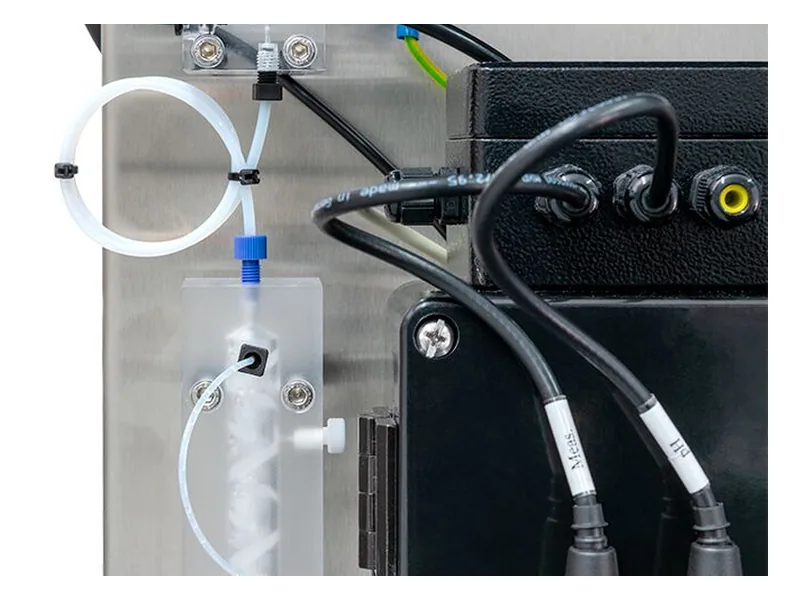
Figure 1: Endress+Hauser CA76NA flow-through cell. Image source: Endress+Hauser official website
- Condensate pump discharge. This is the first place cooling water shows up when a condenser tube leaks. If you can afford only one fast point, put it here.
- Condensate polisher outlet. It shows whether the mixed beds are holding sodium or getting close to exhaustion, and it exposes poor regeneration.
- Economizer inlet feedwater. The final check on water going into the boiler.
- Saturated and superheated steam. Sodium here points to carryover from the drum.
Many plants run one online sodium analyzer on several streams through a sequencer. That saves hardware, but every stream now has a gap between readings, plus flushing time after each switch. For condensate pump discharge on a seawater-cooled unit, a dedicated channel or a short cycle time is worth the cost.
Reading a sodium alarm: condenser leak or polisher problem?
When the sodium analyzer value climbs, compare points before anyone talks about a shutdown:
- Sodium and cation conductivity rise together at condensate pump discharge, and the polisher outlet follows. That pattern usually means condenser in-leakage.
- Condensate pump discharge is normal but the polisher outlet climbs. Suspect bed exhaustion or a regeneration problem. Poor resin separation can leave caustic on the cation resin, and sodium slips through while conductivity barely moves.
- Only steam is high while feedwater looks normal. Check drum level and boiler water dissolved solids.
Do not forget the sodium analyzer itself. Low sample flow, an empty alkalizing reagent bottle or a leaking reference junction can all push the reading up. Look at conditioned pH and flow first. A false alarm that sends a crew hunting for a tube leak costs more than a few minutes of checking.
Why the sample has to be alkalized
The sodium electrode also responds to hydrogen ions. At normal cycle pH, hydrogen interference can swamp a few ppb of sodium, so every sodium analyzer raises the sample to a high pH before it reaches the electrode, commonly above pH 10.
Diisopropylamine (DIPA) is the usual reagent. It is a strong base, little is needed, and it is normally added by diffusion, so the sample is not diluted. Ammonia can do the job but you need more of it and the fumes are harder to manage. Whichever you use, the sodium analyzer keeps producing a number when the bottle runs dry. Monitoring conditioned pH, or at least putting reagent level on the daily round, prevents that silent failure.
DIPA is flammable and irritating. Wear gloves and eye protection, refill in a ventilated spot, and keep the bottle away from heat.
Low-ppb calibration: where results go wrong
Calibration at the low end is the hard part of running a sodium analyzer. A fingerprint holds more sodium than the sample you are measuring.
- Glass leaches sodium. Use polyethylene or polypropylene bottles and rinse them with sample water.
- Wear gloves and dilute standards only with qualified ultrapure water.
- Make low standards fresh. They pick up contamination quickly.
- Give the electrode time. Response is slow at trace levels, so wait for a stable reading instead of accepting the first plateau.
Many analyzers calibrate themselves automatically, which removes most handling errors. For manual comparisons, take the grab sample at the same point and time as the online reading, in the same type of bottle, or the two numbers will never agree.
Reference electrode and routine care
Mount the reference downstream of the sodium electrode so electrolyte leaking from the junction never reaches the measuring side. Check electrolyte level and junction condition on a schedule. A drifting reference shifts the whole sodium reading. When the sodium electrode turns sluggish, reactivate it with the solution the manufacturer specifies.
As an example of what to look for, the Endress+Hauser CA76NA sodium analyzer is described on the maker's site with a range of 0.1 to 9999 µg/L, DIPA alkalization, a separate reference and pH electrode, and up to six sample channels, with condenser leak warning after the condensate extraction pump listed as a main application. Compare sodium analyzer channel count, range and sample conditions against your own points. Related instruments are listed under water quality analyzers, and the wider chemistry skid is discussed in power plant chemical dosing.
Conclusion
A sodium analyzer gives a power plant early warning of condenser leaks, polisher exhaustion and steam carryover from a single trace measurement. When it alarms, confirm alkalization, flow and the reference before you compare condensate, polisher outlet, feedwater and steam to locate the source. Keep low-level calibration clean and the readings stay trustworthy. Send us your unit details, the number of sample points and the cooling water type, and contact our engineers to check the analyzer setup.
FAQ
Can cation conductivity replace a sodium analyzer?
Not fully. Cation conductivity covers a broad range of contaminants, while sodium is more sensitive to outside salts. Running both lets you separate condenser leaks from polisher issues.
Why does the analyzer take so long to settle after start-up?
Sodium analyzer electrodes respond slowly at ppb levels, and every reagent change, calibration or stream switch needs flushing time. Do not act on readings taken during that period.
Will the sodium analyzer alarm when the DIPA bottle is empty?
Only if it monitors conditioned pH or reagent level. Otherwise it keeps reporting values that are no longer valid, so add the bottle to your rounds.
Is one sodium analyzer on a multi-stream sequencer good enough?
For most points, yes. For condensate pump discharge, where you want the fastest leak warning, consider a dedicated channel or a short sequence. Sample line lag matters too; see resistivity vs conductivity meters for how high-purity readings behave.
The online value is higher than the lab result. What should I check?
Start with the grab sample bottle and handling, and after that the online unit's reagent, reference and calibration history. Lab samples taken in glass often read high instead, so align methods before comparing.