
Tunnel Slurry Treatment Dosing for TBM Mud Dewatering
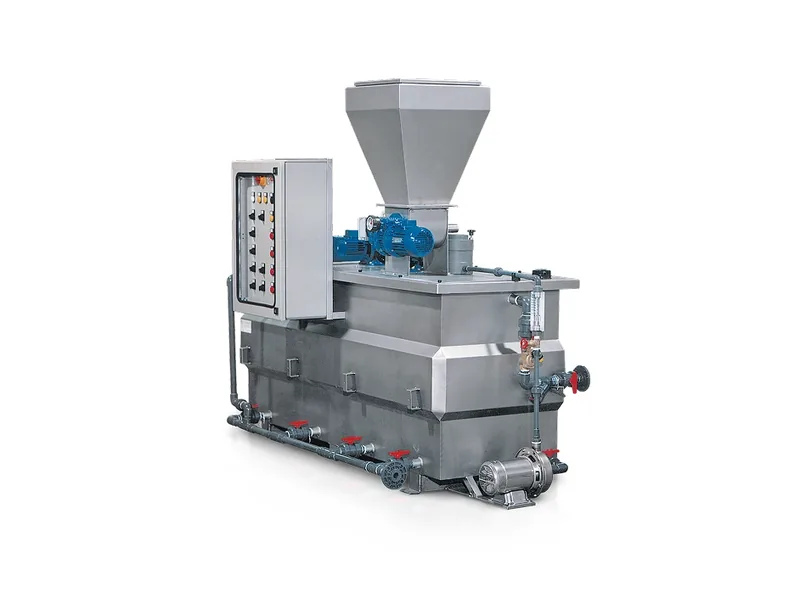
Tunnel slurry treatment dosing is about the fines left after a slurry TBM or shield has sent muck to the surface and the sand has already been taken out on screens and cyclones. The job is to flocculate those fines, settle them, and dewater the underflow on a centrifuge or a press. It is not mine-water neutralization, and it is not aggregate wash-water recycle. This article is for equipment and operations staff at a slurry treatment plant. It covers coagulant and polymer after separation, plus the second polymer trim ahead of dewatering.
Tunnel slurry treatment has to follow the TBM
While the machine is advancing, tunnel slurry treatment starts with slurry carrying cuttings to the surface. Coarse sand leaves on the shakers and cyclones; the remaining fine slurry goes to conditioning, thickening and dewatering. That fine stream is what tunnel slurry treatment dosing actually treats. When advance is fast, both flow and solids climb. During a stop, both can drop suddenly. A fixed stroke then either lets the overflow go dirty or overfeeds PAM and blinds the cloth.
Keep the two duties separate. The clarification line has to make an overflow that can be reused or sent on. The dewatering line has to make an underflow the centrifuge or press can take. Do not share setpoints. The first step in tunnel slurry treatment dosing is to write down the fines concentration after separation, how much the flow swings, and which dewatering machine is in use, then decide which chemicals are needed.
A practical order in tunnel slurry treatment is: confirm that screening and cyclones have already removed the coarse sand, decide whether a coagulant is needed at all, then close the PAM dose with a jar test on this site's mud. Do not drop a sand-plant or mine-water skid onto a TBM slurry plant and expect it to fit.
Dosing at the conditioner and the thickener
Fine particles in tunnel slurry treatment settle slowly on their own. A common pattern is a small coagulant dose only when needed, then PAM to grow the floc. Put the injection point at a pipe mix or at the conditioner inlet, and give the polymer time to disperse. Do not shoot chemical into the thickener feedwell and hope it mixes.
PAM has to be dissolved and aged before it is pumped. Temporary site tanks are often undersized, aging is cut short, and gel in the line shows up as sticky overflow and poor press or centrifuge performance. Aging time is covered in polymer aging time. Overdosing PAM is a frequent miss in tunnel slurry treatment dosing: the supernatant looks excellent while filter cloths blind and centrifuge torque climbs. It is better to steady the feed than to add polymer until the mud feels slippery.
Coagulant is not mandatory on every tunnel slurry treatment job. If the mud has a high charge and a PAM-only jar test leaves a loose floc, a little PAC or a ferric salt may help. The dose has to come from this site's mud. When the geology changes, the best dose changes with it.
Does dewatering still need tunnel slurry treatment dosing?
When underflow goes to a centrifuge, a belt press or a plate press, a second PAM trim is usually needed at the machine. That feed is not the same pump or the same setpoint as the thickener. Injection points and the signs of too much or too little polymer on a centrifuge are in decanter centrifuge polymer dosing. Belt presses are covered in belt filter press polymer dosing. Calibrate the dewatering line on its own. Do not copy the thickener stroke onto the press.
The underflow can still carry fine sand. The metering pump itself must not suck that slurry. Tie the injection into a clean or dilution-water side, and use a check valve so grit cannot run back into the head. Once sand is inside, balls and diaphragms wear quickly. A metering pump doses chemical; it is not a slurry pump. How solids affect a pump that is actually asked to move slurry is discussed in diaphragm metering pumps for slurry, but in this article the pumped fluid is still the chemical, not the mud.
Pumps and stop-start in tunnel slurry treatment
When flow follows TBM advance, tunnel slurry treatment dosing is more stable if the polymer is paced to incoming slurry flow than if the stroke stays fixed. Doseuro spring-return mechanical diaphragm pumps are a common fit for this continuous duty, and polymer make-down can be handled by a preparation unit. Head materials follow the chemical. Compare options on the Doseuro brand page and the dosing skid category.
Watch these points on a tunnel slurry treatment dosing system:
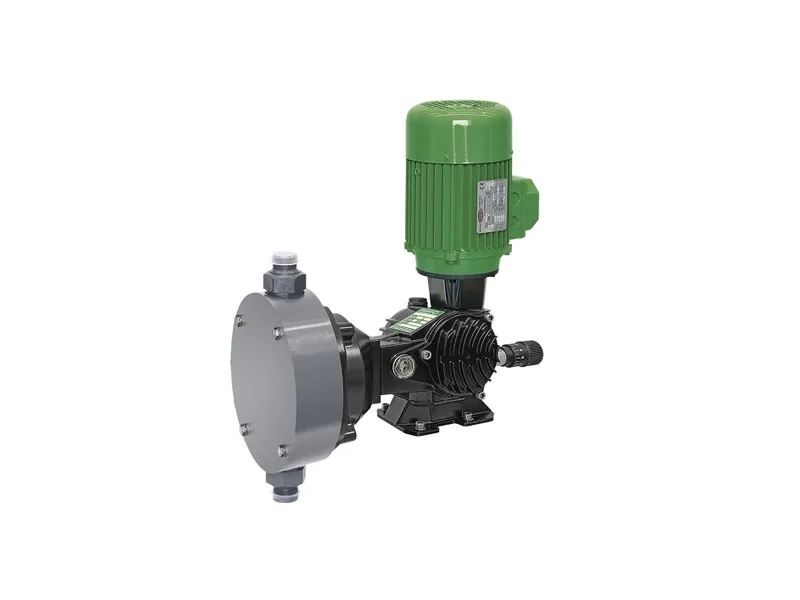
Figure 1: Doseuro spring-return mechanical diaphragm metering pump. Image source: Doseuro official website
- When the TBM stops, stop the dosing pumps or drop them to a hold-over flow so chemical is not still entering an empty plant
- Mix polymer for the shift's demand; do not send under-aged solution to the pump
- Keep chemical lines clear of slurry splash and floor channels so sand cannot enter the pump, and insulate PAM tanks in a winter temporary building
If you have flow, pressure, the chemical and the dewatering machine ready, contact us for sizing and we can check the pump and the skid against that tunnel slurry treatment duty.
Conclusion
Tunnel slurry treatment dosing is for flocculating and dewatering the fines left after separation, not a recycled mine-water or sand-wash recipe. Add coagulant only when the mud needs it, meter PAM separately for clarification and for dewatering, close the dose on a site sample, and watch TBM stop-start, polymer aging and sand running back into the pump. Once the dewatering method and the water target are clear, size the equipment from flow, pressure and the chemical.
FAQ
Is PAM alone enough for tunnel slurry treatment dosing?
Not always. Many sites settle on PAM alone, but high-charge mud that stays cloudy in a PAM-only jar test may need a small coagulant dose first. Test the mud from this drive. Do not copy another site's recipe.
Should the dosing pumps keep running when the TBM is stopped?
If slurry feed has stopped, the clarification and dewatering pumps should stop or drop to a hold-over flow. Keeping the old stroke usually makes the water in the plant sticky and harder to retune when advance restarts.
The filter cloth blinds quickly. Is the pump at fault?
Check PAM overdose and aging first. Cloth blinding often comes from residual polymer and fines sitting on the fabric, not from a failed pump. Repeat the jar test and the calibration before you change the machine.
Why do the dosing valves wear out so fast?
Fine sand has usually run back into the chemical line. Check the injection check valve, the injection point and flushing. A metering pump is not a slurry pump.
Can leftover PAM mixed today be used tomorrow on a temporary site?
It is a poor habit. Aged PAM degrades and forms a skin, and the next day's effect drops. Mix for the shift. Do not pour leftovers into a fresh tank and hope the dose stays the same.